Making homemade popsicles is a fun way to enjoy refreshing frozen treats at home, especially during warm days. If you are wondering How To Make Popsicles With Plastic Bags, the process is simple when the right ingredients, food-safe bags, sealing method, and freezing conditions are prepared in advance. This guide explains how to make popsicles with plastic bags from the first mixing step through safe serving, so each stage is easy to follow.
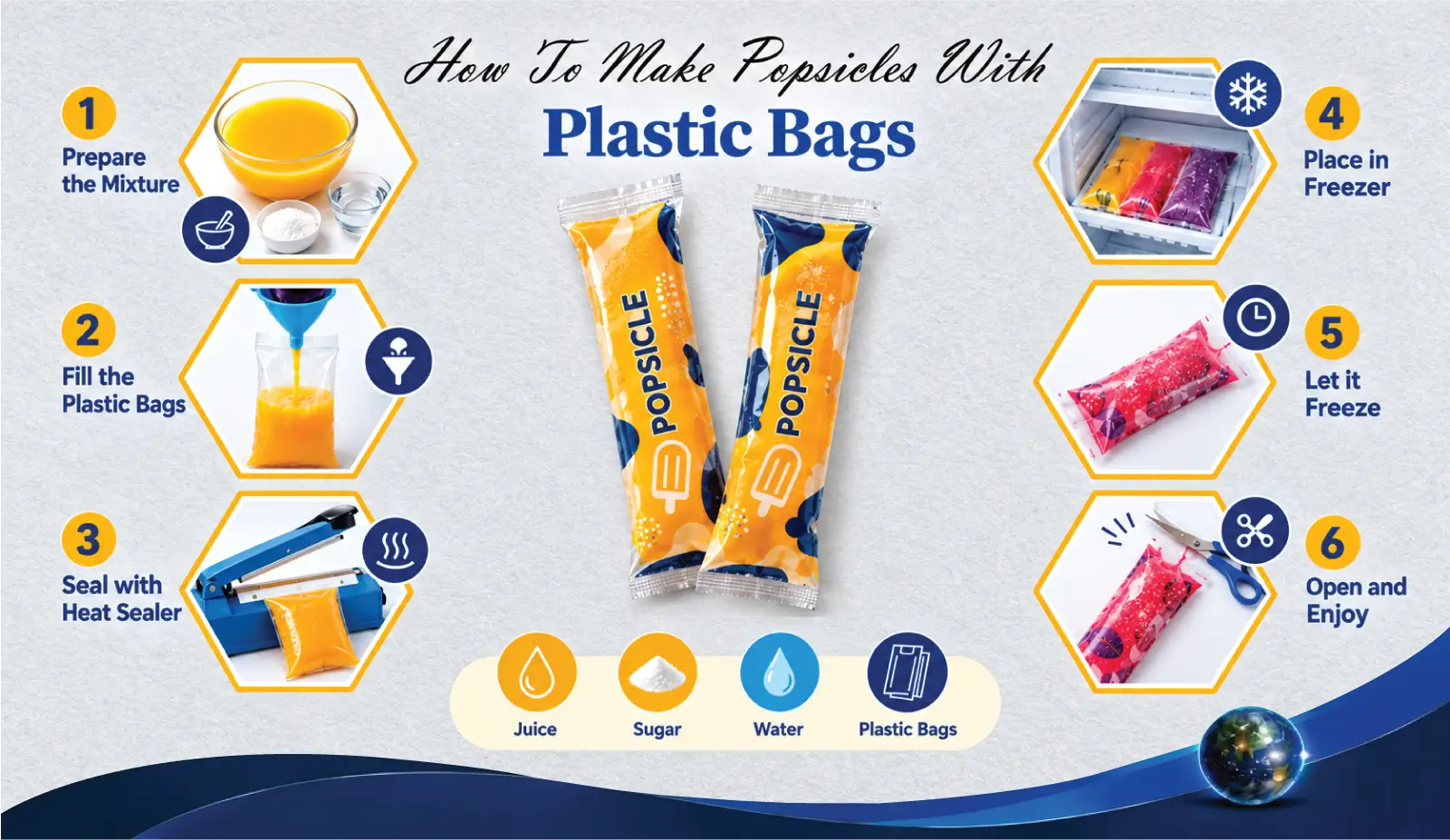
Overall, Steps At A Glance
The complete process of how to make popsicles with plastic bags can be simplified into four easy stages:
- Prepare And Blend The Popsicle Mixture: Gather the ingredients, prepare the mixture, and blend it until the desired consistency is reached.
- Shape And Freeze The Popsicles: Pour the mixture into a popsicle mould, insert the sticks, and freeze until the popsicles become completely firm.
- Place And Seal The Popsicles In Selected Bags: Transfer each shaped popsicle into a suitable plastic bag, leave enough headspace, and securely close the opening.
- Store And Check The Packaged Popsicles: Return the sealed popsicles to frozen storage and check the packaging condition before serving.
Following these four stages keeps the method simple while covering preparation, shaping, packaging, sealing, and storage.
Quick Steps To Understand Are Explained Below
The quick steps explain the process of how to make popsicles with plastic bags clearly, simply, and in an easy-to-follow format and are as follows:
Gather Essential Ingredients And Supplies
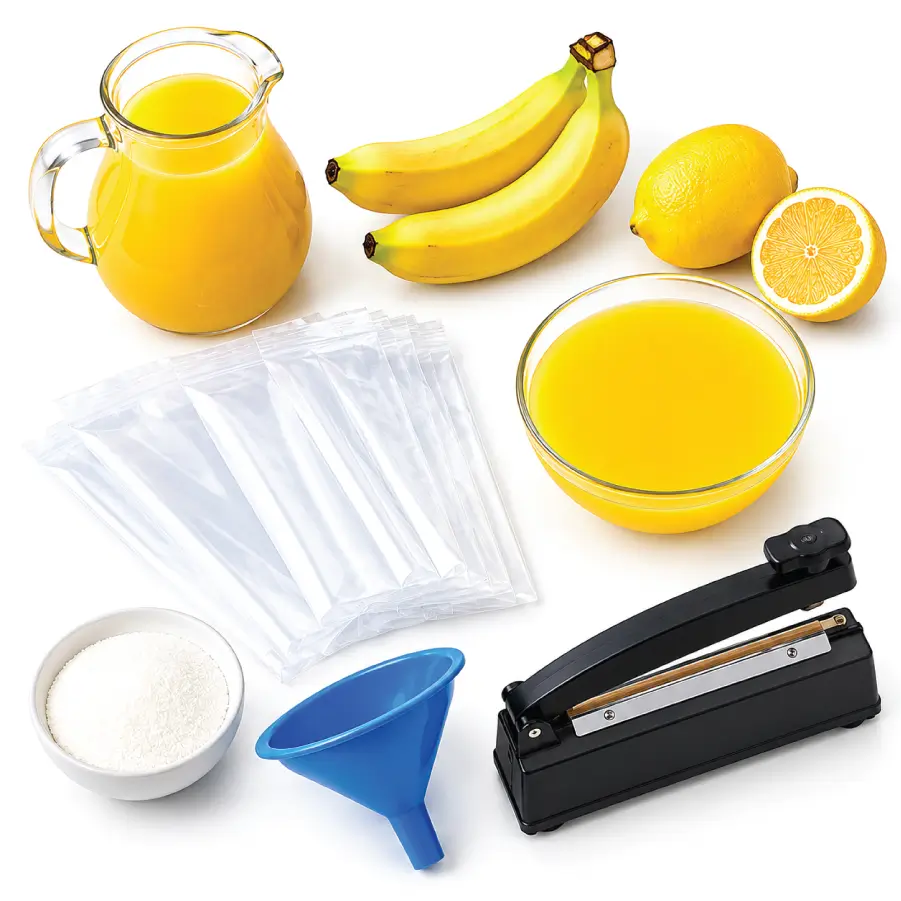
Before beginning how to make popsicles with plastic bags, gather all ingredients and equipment in one clean preparation area. Fruit juice, fruit puree, water, and sugar or sweetener can be combined according to the preferred recipe. A blender, mixing bowl, measuring tools, popsicle mould, and sticks should also be ready. Food-grade plastic bags are required for the packaging stage, while clean utensils support hygienic handling throughout preparation. Having everything nearby makes the process easier to manage and reduces unnecessary movement between different preparation stages.
Prepare The Popsicle Mixture Carefully
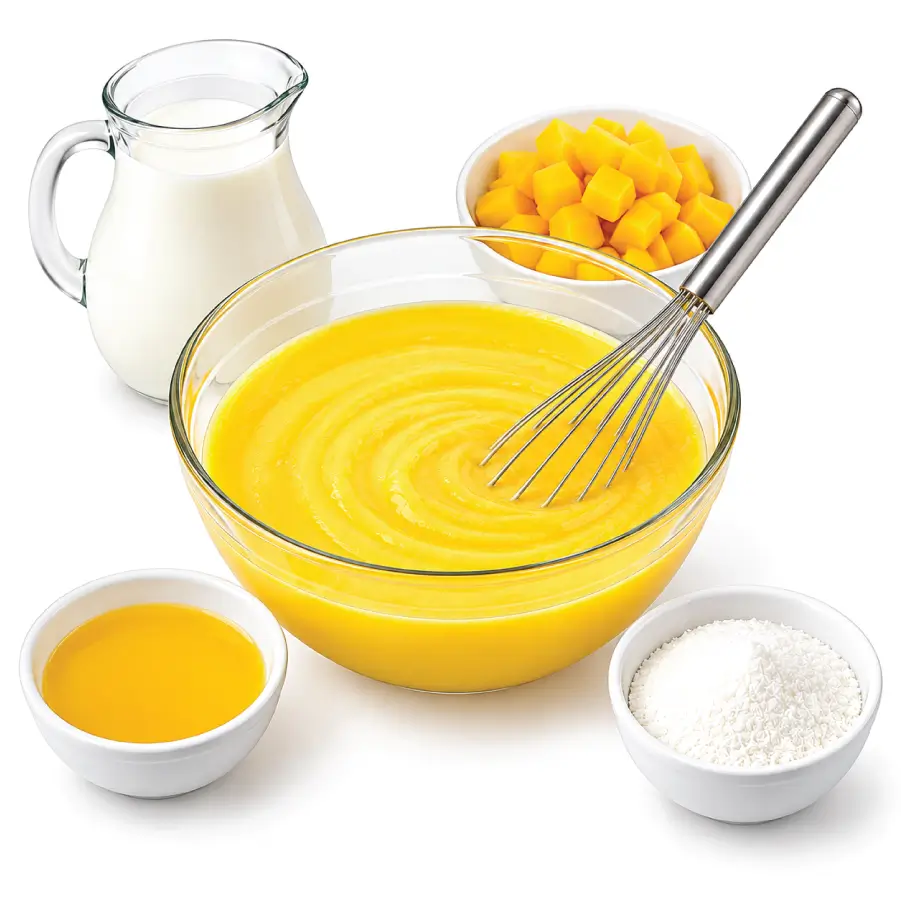
A well-prepared mixture creates the foundation for a pleasant frozen treat. While learning how to make popsicles with plastic bags, measure each ingredient carefully before combining the mixture. Fruit puree may be blended with fruit juice, water, or another suitable base, while sugar or sweetener can be adjusted according to the desired sweetness. The mixture should remain smooth enough for easy filling into the mould. Sanitary preparation is also important because clean utensils, surfaces, and hands help reduce unnecessary contact with the prepared food.
Blend Ingredients For Smooth Flavour
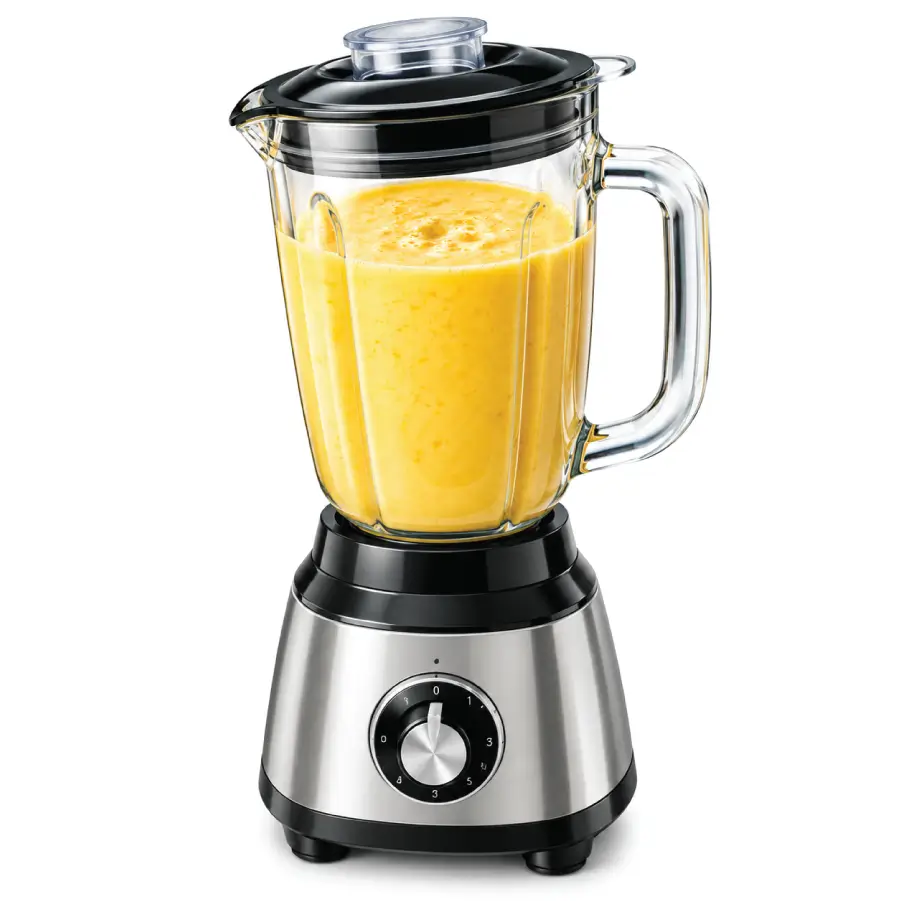
Blending brings the ingredients together and creates a more consistent texture for freezing. During how to make popsicles with plastic bags, the selected fruit and liquid ingredients can be processed until the desired consistency is reached. Strawberry, mango, blueberry, peach, and raspberry are examples of flavours that work well in homemade recipes. The details of flavour should be checked before mould filling, particularly when sweetness or fruit intensity needs adjustment. If a smoother texture is preferred, the prepared mixture may also be strained before it reaches the mould.
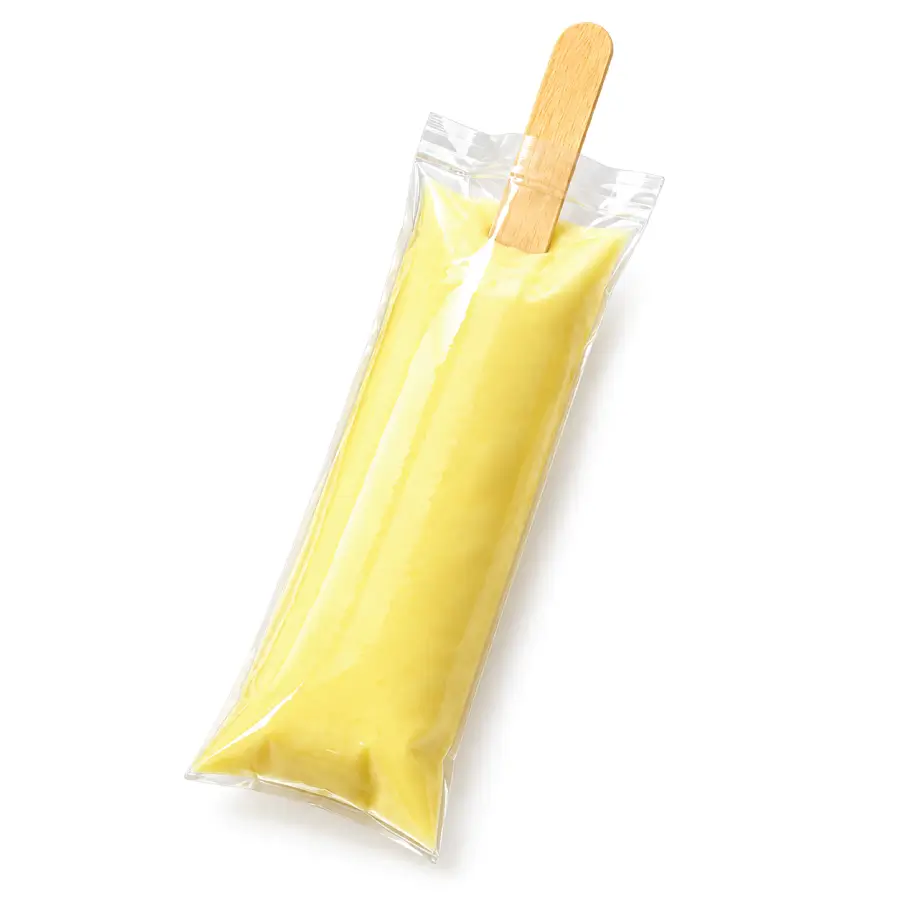
Pour the Mixture With Insert Sticks
The popsicle shape is established before the plastic packaging stage begins. Explore Bags To Make Popsicles and see the practical formats and suitable materials for the protection of the product. For how to make popsicles with plastic bags, the prepared mixture is poured into clean mould cavities while enough room remains near the top. Popsicle sticks are positioned centrally so they remain secure after freezing. A popsicle mould alternative may be considered when a standard mould is unavailable, provided the selected container is suitable for the food application and produces a convenient shape. The filled mould should remain steady during preparation and before placement inside the freezer.
Consider Material And Packaging Details
Material selection deserves attention when frozen food is placed directly inside individual packaging. In how to make popsicles with plastic bags, polyethylene (PE) and LDPE (low-density polyethylene) may be considered according to the required application and packaging specification. Take a closer look at Cellophane Popsicle Bags and understand their clear presentation, convenient format, and suitability for frozen treats. The moisture barrier should correspond with the intended storage conditions, while the structure should remain suitable for freezing and handling. Food-safe packaging should also be supported by appropriate food-contact information. Freezing time varies according to the size of each Frozen Food Pouches, the recipe, and the freezer temperature. For commercial use, supplier documentation can provide details regarding material suitability, sealing compatibility, and the intended frozen-food application, and also shows an important step in how to make popsicles with plastic bags.
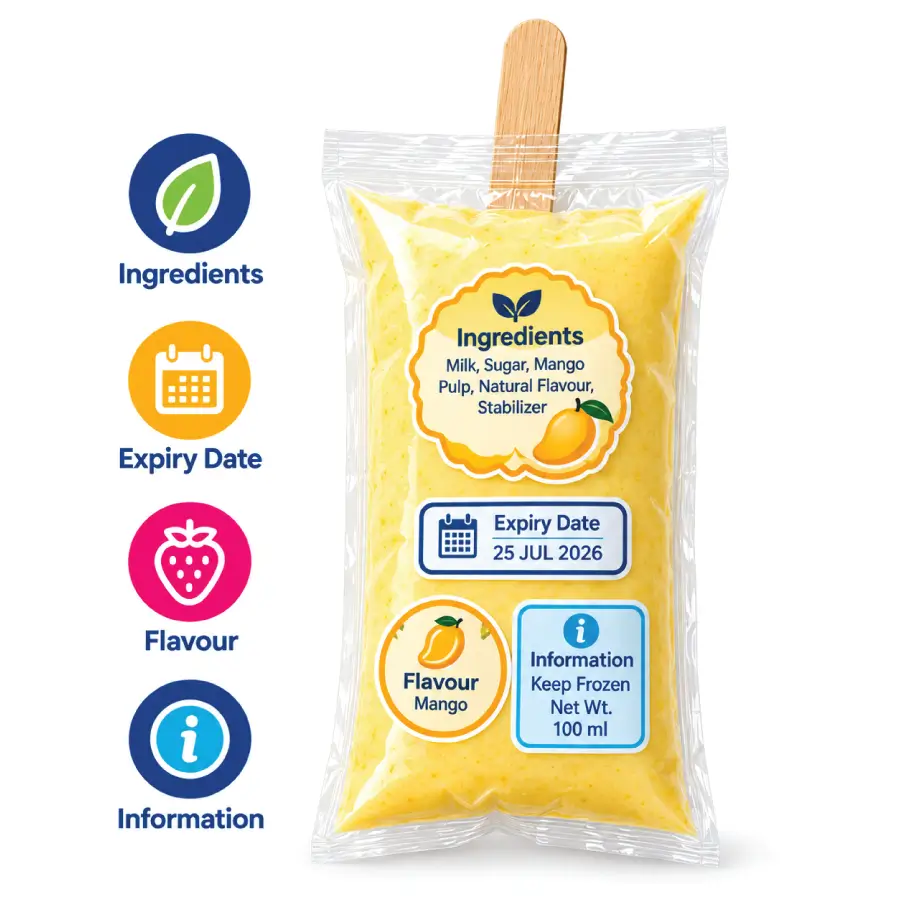
Add Clear Information To The Packaging
Individual popsicles become easier to identify when useful information is presented clearly on the package. When exploring how to make popsicles with plastic bags, businesses may include an ingredient list, information, net quantity, and storage instructions according to the applicable requirements. Clear printed information can make different flavours easier to distinguish during storage. For knowing the details on making these pouches of different types, have a look at Make Your Own Popsicle Bags. The presentation of the product should remain neat and readable, while the reputation of the brand should be reflected through consistent artwork and accurate information. Appropriate label placement should also account for the sealing area.
Place The Mixture Into Suitable Plastic Bags
After the first freezing stage, the shaped treats are ready for individual packaging. In how to make popsicles with plastic bags, each frozen popsicle is transferred carefully into a freezer-safe plastic bag that is appropriate for frozen-food contact. These include:
- Flat Popsicle Bags: Suitable for slim, straight-shaped popsicles where a simple, compact format is preferred.
- Gusseted Popsicle Bags: Extra side or bottom space accommodates thicker or irregularly shaped popsicles without excessive pressure.
- Die-Cut Popsicle Bags: Custom-cut openings and shapes can suit distinctive popsicle designs while maintaining a convenient package format.
- Stand-Up Popsicle Bags: A stable bottom structure can be considered for thicker products or presentation where the package needs to remain upright.
- Popsicle Bags with Window: A transparent window can keep the popsicle visible while the remaining printed area carries flavour and product information.
The exterior should remain as clean and dry as possible before sealing. Careful transfer at this stage preserves the shape and reduces the possibility of unnecessary package damage. Boxes are also an option for including the popsicles, so explore Popsicle Boxes With Windows and see how product visibility is achieved through a clear window and carefully arranged box design.
Leave Enough Space At The Top For Sealing
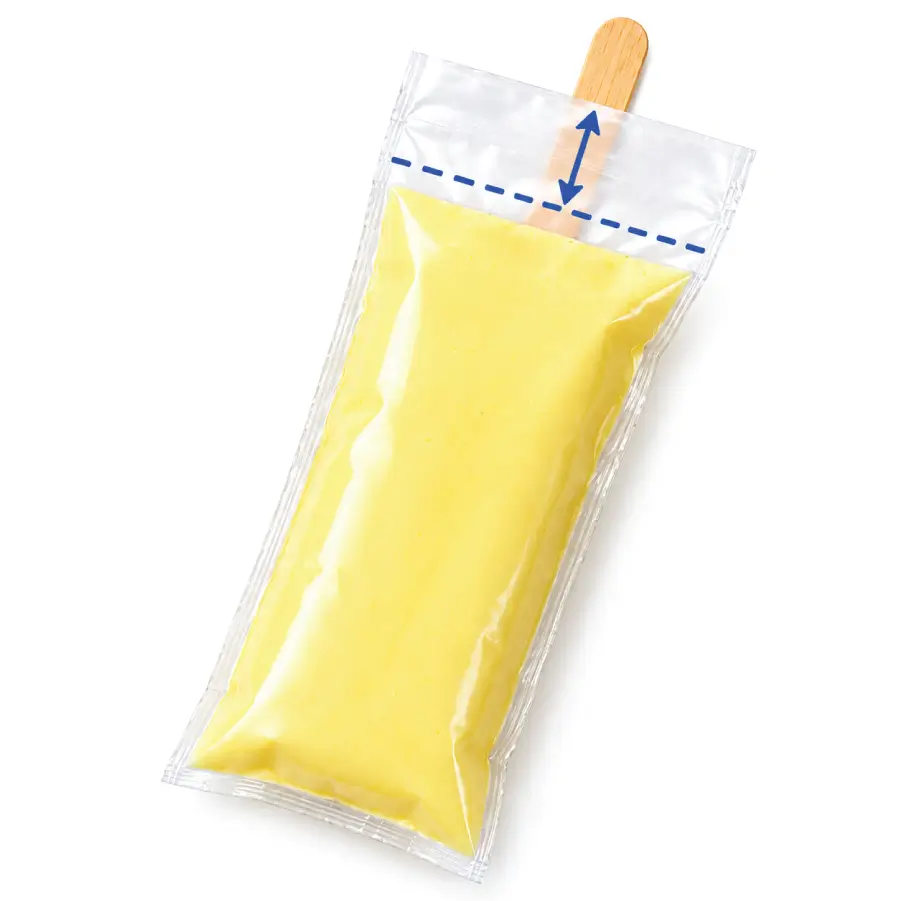
Adequate space near the opening is important for creating a secure closure. While following how to make popsicles with plastic bags, enough headspace should remain above the packaged popsicle for the selected sealing method. The opening should be free from mixture residue, moisture, or other material that could interfere with closure. The thickness of the packet should also correspond with the intended sealing process. Suitable plastic film with sufficient tear resistance and puncture resistance can be considered according to the packaging application, storage conditions, and handling requirements.
Heat-Seal Or Securely Close The Bags
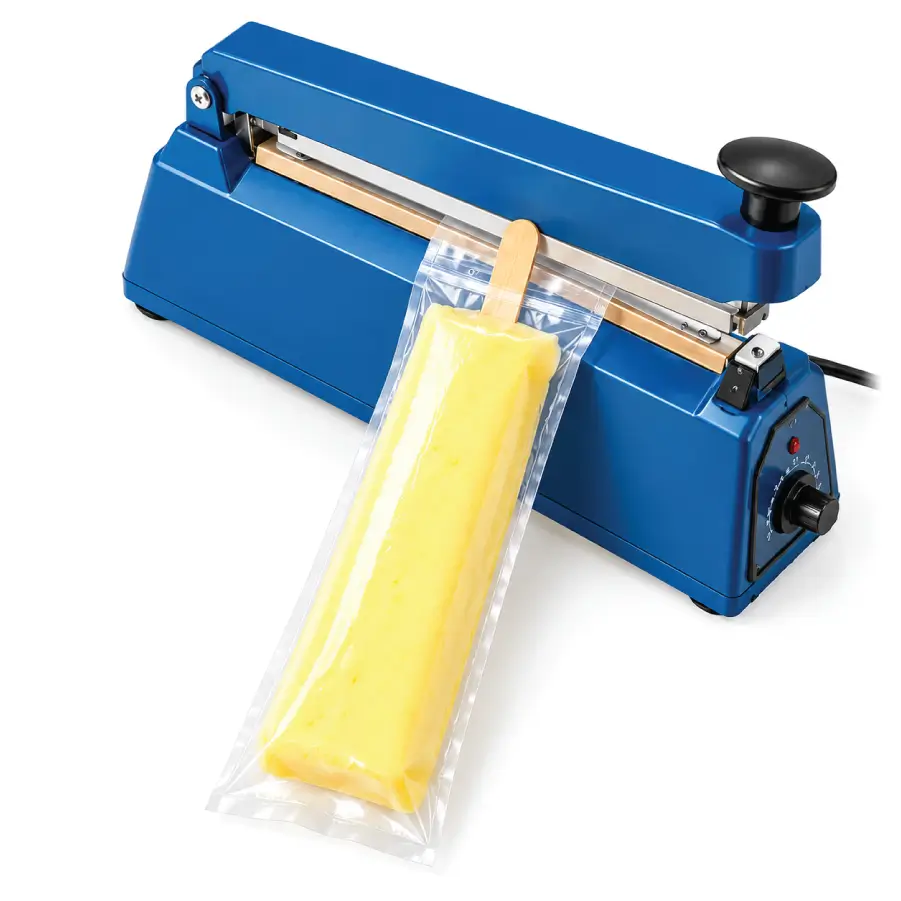
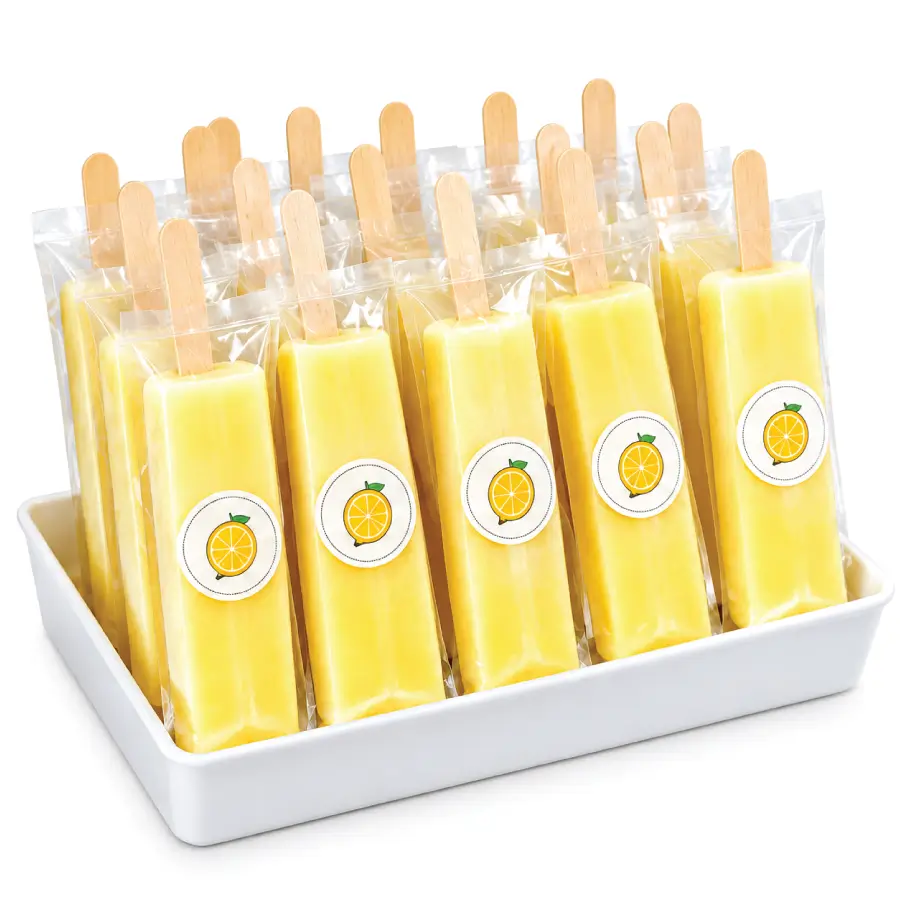
Once the popsicle has been positioned inside the bag, the opening can be closed using a suitable method. During how to make popsicles with plastic bags, a heat-sealing process may be selected when the packaging material is compatible with the equipment and required temperature. A leak-resistant seal should be maintained throughout storage, while an airtight seal may be preferred according to the packaging specification. The completed closure should be inspected for gaps, uneven areas, or damage. A reliable sealing method contributes to better leak prevention during frozen storage and handling in how to make popsicles with plastic bags. Review Popsicle Wrappers For Retail and understand how presentation, printed details, and practical wrapping formats are suited to requirements.
Freeze Popsicles Until Completely Firm
The packaged popsicles should return to the freezer after the bags have been securely closed. At this stage of how to make popsicles with plastic bags, the original shape has already been established through moulding and the first freezing stage. Bags with a proper reusable zipper are also added, so discover Popsicle Bags With Zip Closure and review their resealable format and storage benefits for the product. The second freezing period keeps the individually packed treats in a firm condition for storage. Cold-temperature performance of the selected packaging should be considered according to the intended application. Bags should be arranged carefully to reduce pressure between portions and protect the presentation of the product during storage in freezer conditions.
Check Popsicles Before Serving Them
A final inspection is a simple way to check the condition of each packaged treat. After completing how to make popsicles with plastic bags, inspect the closure, exterior of the bag, stick position, and frozen condition of the popsicle. The food-contact material should remain intact, while the packaging should show no visible puncture or leakage. Clean handling should continue when the frozen treats are removed for serving. Clear label information may also be reviewed before serving, particularly when different flavours or ingredients are included in the same storage area. You can add a sleeve above packaging for more information; discover Custom Logo Popsicle Sleeves for presentation of the product.
Follow Safe Handling And Freezing Practices
Safe preparation remains important from the beginning of the recipe through final storage. When learning how to make popsicles with plastic bags, clean utensils and surfaces should be maintained, and prepared ingredients should remain under appropriate storage conditions. Contamination prevention should remain part of the preparation routine, especially when multiple batches are being handled Custom Mylar Bags Canada. For commercial products, applicable food packaging regulations should also be reviewed. Relevant Canadian considerations may include Health Canada guidance, Food and Drug Regulations Division 23, Section B.23.001, Safe Food for Canadians Regulations (SFCR), and CFIA requirements, depending on the application.
Conclusion
Once the complete process is understood, how to make popsicles with plastic bags becomes much easier to follow. The mixture is prepared and blended first, then transferred into a mould where the desired stick-popsicle shape is established. After the sticks are inserted, the moulded treats are frozen until firm. Each frozen popsicle is then transferred into suitable packaging, with enough space left for secure sealing. After closure, the packaged treats return to frozen storage. Careful preparation, suitable materials, clean handling, and appropriate storage together form the complete method.
Frequently Asked Questions (FAQs)
Can I make stick popsicles without a traditional mould?
A suitable mould or food-safe shaped container is recommended because the desired stick-popsicle form must be established before packaging.
When should I insert the popsicle sticks?
Popsicle sticks should be positioned after filling the mould and before freezing, allowing them to become firmly set. As we discussed above in how to make popsicles with plastic bags.
Why are popsicles frozen before packaging?
Initial freezing establishes the desired shape, making individual packaging easier and reducing movement or deformation during bagging.
What type of bags are suitable for popsicles?
Food-safe, freezer-suitable Wholesale Wrappers should be selected according to material specifications, sealing compatibility, thickness, and intended frozen-food application.
How much space should remain above each popsicle?
Enough headspace should remain for the selected closure method, with the exact amount depending on bag size and sealing requirements. As we discussed above, how to make popsicles with plastic bags.
Can custom printing be added to popsicle bags?
Custom printing may include flavour, artwork, logo, colours, and required information according to the packaging specifications and design. Moreover, Foods For Packaging Sleeves with amazing printing can be added there.
How should packaged popsicles remain frozen?
Packaged popsicles should remain under suitable freezer conditions, with temperature and storage maintained according to food-handling requirements, as discussed above in how to make popsicles with plastic bags.
Where can I buy custom popsicle bags?
Custom popsicle bags can be purchased from Universal Packaging, with packaging formats and printing options available according to business requirements.
Can one bag format accommodate different popsicle flavours?
Yes, one suitable bag format in how to make popsicles with plastic bags may accommodate different flavours when its dimensions, material specifications, sealing method, and frozen-food application are compatible.