Not every folded piece of printed packaging is designed for the same purpose. While header cards and bag toppers share a similar appearance, each plays a unique role in how products are displayed and presented. Understanding these differences can help businesses choose the right packaging solution for better visibility, branding, and customer appeal. In this guide, Header Cards vs Bag Toppers: What’s the Difference? is explained step by step. Read further!
Header Cards In Packaging: Core Concepts Explained
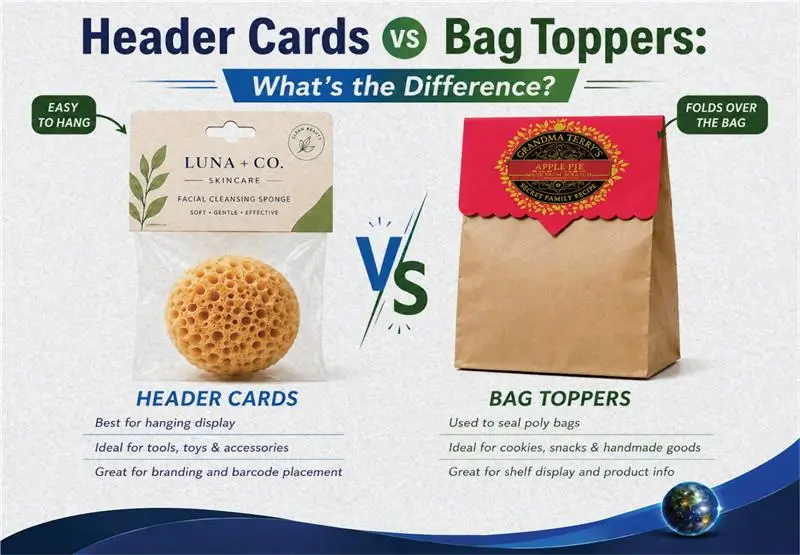
The first half of header cards vs bag toppers: what’s the difference? is best described by header cards as a printed piece of cardstock or paperboard attached to the top of a product, usually with a hang hole, so the item is displayed on a hook. It is commonly seen with tools, small electronics, and toys, where a sturdy hanging point is needed for the shelf.
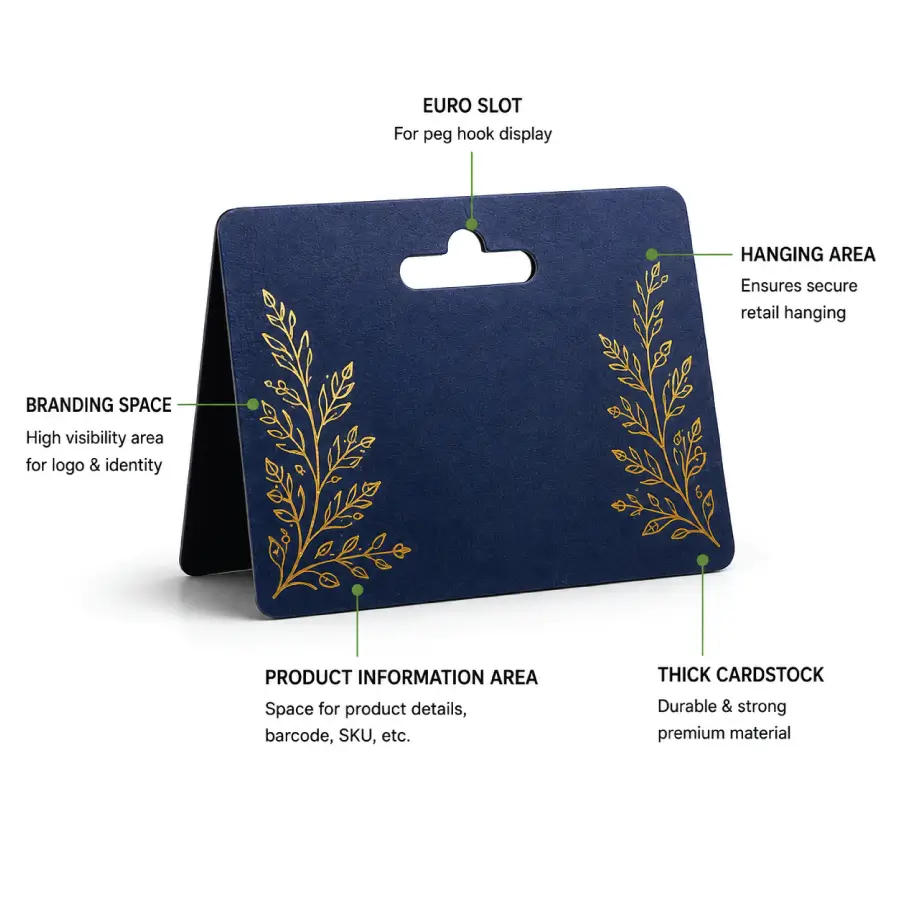
The size, thickness, and print area are determined by the weight and the in-store display method. A barcode is often placed on it as well, since scanning is required at checkout without the packaging being opened. Now that a clear picture is formed, the next natural question in header cards vs bag toppers: what’s the difference? is what the second format actually is, and that is answered right below.
Bag Topper In Packaging: Core Concepts Explained
This second format is a folded piece of card that is used to close the open end of poly bags, usually through a heat seal, staple, or fold-over method, while a printed surface is provided at the same time. Unlike the first format, two positions are performed at once here: the bag is sealed, and the information is displayed. Kraft paper is frequently chosen for this style, especially when packing cosmetics, snacks, or handmade goods, and sealed bags with this kind of closure are often seen at markets and small shops.
In some cases, resealable packaging is created through this design, so the bag is reopened and reclosed by the customer after the first use. For bakeries and home-based businesses, Cookie Bag Toppers Printable options are also commonly chosen, achieving a professional presentation for packaged cookies and other baked treats.
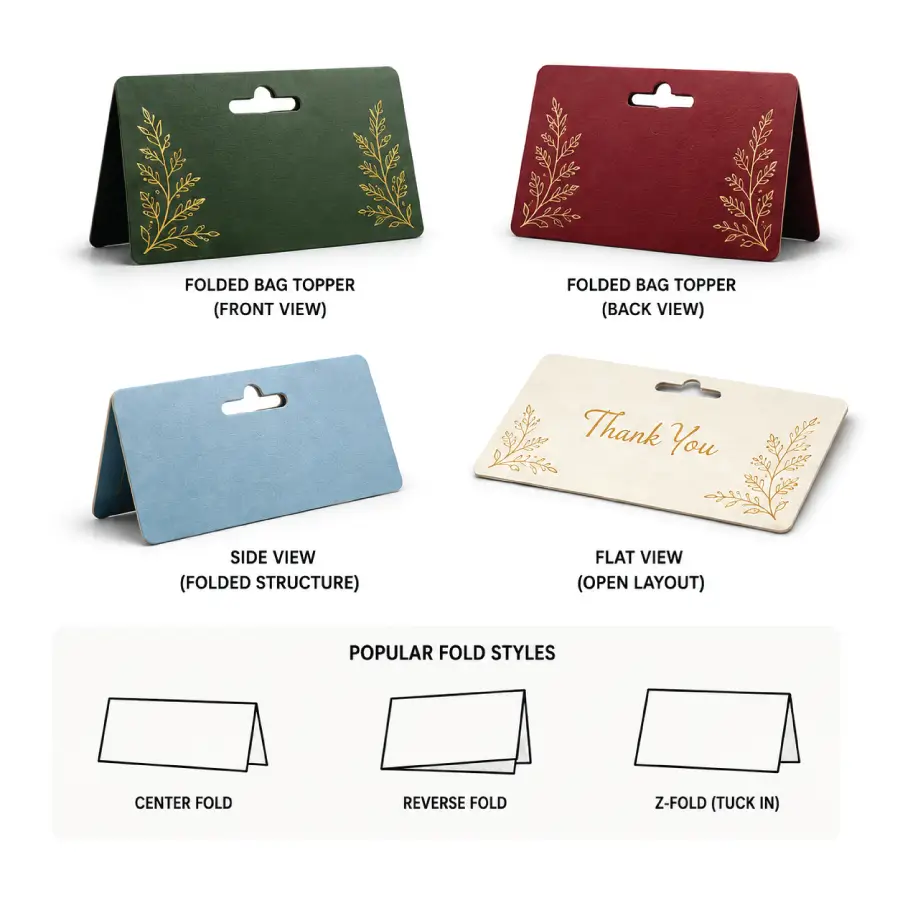
Explore other custom Heads Up Printable Card offered in a variety of sizes, paper stocks, and finishing options for professional retail packaging.
Header Cards Vs Bag Toppers: Key Differences Explained
Before the individual points are broken down, it should be noted that both formats belong to the wider world of retail packaging, yet the choice between them changes the entire in-store experience of a product. The comparison below is where header cards vs bag toppers: what’s the difference? becomes the clearest.
Attachment Method: Hang Tab vs Fold-Seal
With the first format, a small opening or a Euro slot is punched into the card so that a peg hook is passed through it, while with the second, the open edge of the bag is folded over the card and then sealed. This single point is really what separates header cards vs bag toppers: what’s the difference? At its core. Once attachment is understood, the next point worth exploring is how each format is actually practical for the brand and the customer.
Purpose: Display-Only vs Sealing + Display
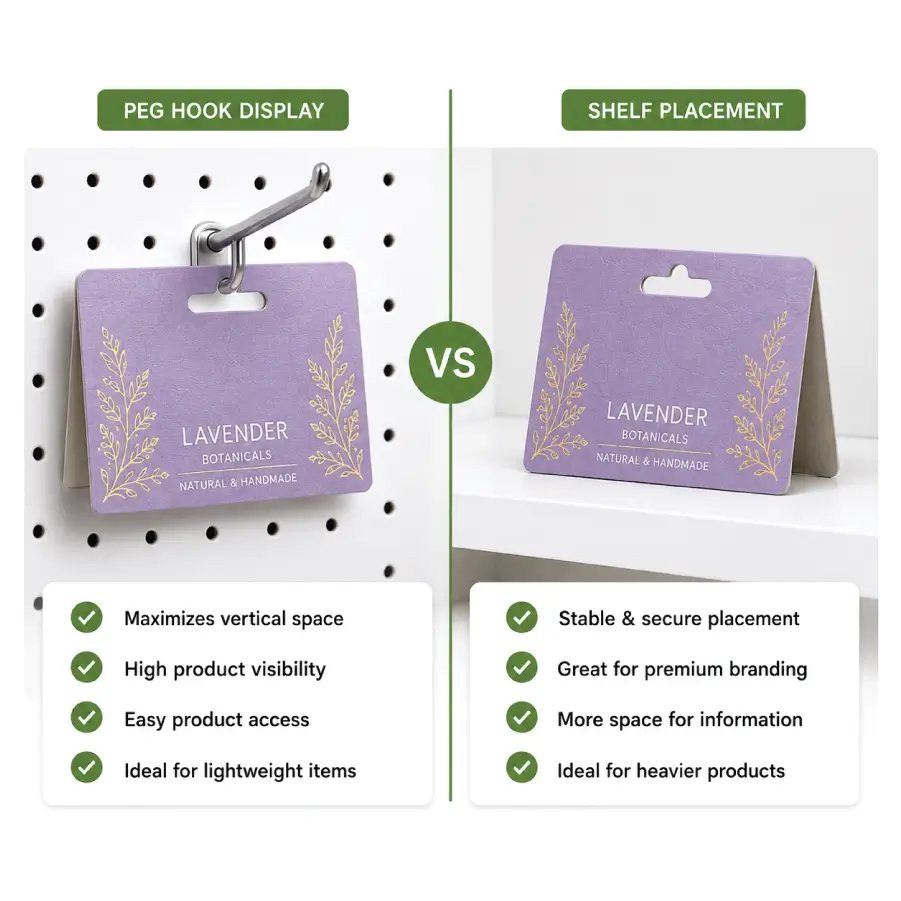
The first format is generally treated as a display tool only, since the item underneath is usually already packed in its own pack. The second, on the other hand, is relied on for sealing as well as branding, and higher customer engagement is often reported when the design feels tactile and easy to open. This dual role is exactly why food and cosmetic brands lean toward it so often, and it is a core part of answering header cards vs bag toppers: what’s the difference? For anyone selling a consumable item. From the function, the conversation naturally shifts to where and how each format is displayed at retail.
Retail Display: Peg Hooks vs Shelf Placement
The first option is built for peg hooks and pegboards, where easy hanging is the priority, while the second is more commonly placed flat on a shelf, in a basket, or on a countertop near the register. Another practical angle on header cards vs bag toppers: what’s the difference? That matters at the point of sale. A QR code is sometimes added to either format so that a product story, ingredient list, or website link is reached instantly by the customer. With display style covered, cost is the next factor most brand owners want clarity on.
Cost Comparison: Header Cards vs Bag Toppers
In general, a simpler production process is involved in the fold-and-seal format, while a shaped or premium packaging version of the hang-tab format tends to involve a slightly higher unit cost due to the punching and finishing steps. That said, custom packaging pricing is always affected by paper stock, print complexity, and order volume, so a direct comparison should always be requested from a supplier before assumptions are made. This is often the deciding point in header cards vs bag toppers: what’s the difference? For brands working with a tight budget.
Design Tips For Header Cards And Bag Toppers
A few design elements are treated differently depending on which format is chosen, and these small details are often what separate a professional-looking product from a subtle but important layer of header cards vs bag toppers: what’s the difference? That is easy to overlook.
- Hang-tab design: a strong hole placement, a die-cut shape that matches the brand, and clear logo placement near the top of the card are recommended so the product is recognized from a distance on a peg wall.
- Fold-seal design: a fold line that is strong enough for repeated handling, along with FSC-certified paper or other eco-friendly packaging materials, is suggested so that durability and sustainability are balanced.
- Print area planning: enough white space is left near the edges of the card so that important text and small details are not lost during trimming, folding, or sealing.
Which Packaging Option Is Right For Your Product?
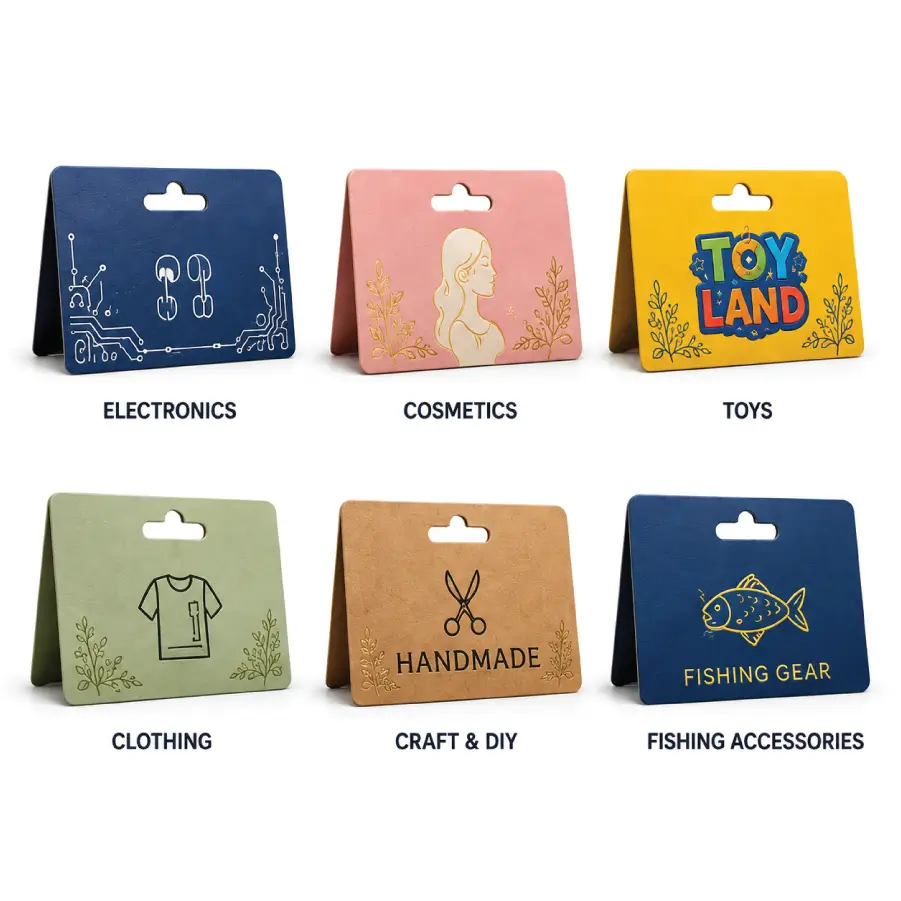
The right choice really comes down to what is being packed and how it is sold. Handmade products, skincare items, and small food items are usually paired with the fold-seal style, since a sealed closure keeps the product fresh while still allowing gift packaging appeal. Items with a fixed shape, such as tools or small electronics, are better suited to the hang-tab style, since a rigid hanging point is needed. Where product identification or pricing is displayed separately from the primary packaging, Custom Printed Kraft Hang Tags are also commonly selected, and a professional retail presentation is achieved through high-quality printed labelling.
Seasonal packaging runs are also worth mentioning here, as the simpler format is often chosen for its lower cost when a short promotional window is planned. This is, in many ways, the most practical answer to header cards vs bag toppers: what’s the difference? For a first-time brand owner. Once the right format is decided, printing and finishing choices are what bring the design to life. Explore these Custom Packaging solutions designed for a wide range of retail, food, cosmetic, and consumer product packaging applications. Get started with the right packaging solution for your brand.
“Packaging can be theater; it can create a story.” — Steve Jobs
Custom Printing Options For Header Cards And Bag Toppers
A wide range of finishing techniques is offered for Custom Printed Bag Toppers as well as header cards, and the right combination is what makes a package premium rather than generic printing choices; in fact, where header cards vs bag toppers: what’s the difference? starts to feel most visible on a shelf. CMYK printing is used as the base for full-colour artwork, while double-sided printing is chosen when information is needed on both the front and back of the card.
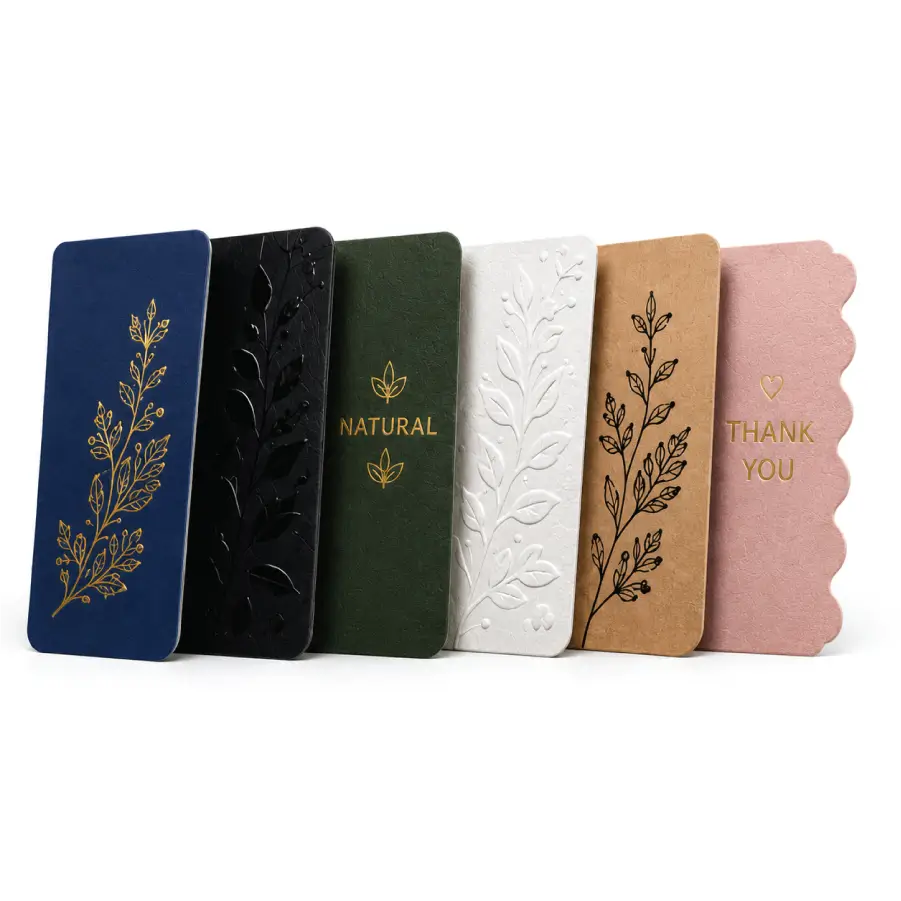
A matte finish is often preferred for a soft, premium look, whereas spot UV, foil stamping, or embossing is added when a specific logo or detail needs to stand out. Soy-based inks and other food-safe inks are recommended whenever the item being packed is edible or applied to the skin.
- Finishing techniques: lamination, foil accents, and raised detailing are commonly combined to elevate the perception of the brand on a shelf.
- Print quality options: full-colour artwork and front-and-back layouts are typically paired with a glossy or matte coating for a sharper, more premium presentation of the product.
- Colour and stock pairing: a consistent palette is carried across the card and the primary packaging, so a unified look is maintained from the shelf right through to unboxing.
“My motto is strong packaging, clear addressing.”
Halldór Laxness
The choice of paper stock also plays a major role in the overall appearance, durability, and printing quality of header cards. If you’re comparing different material options, Kraft Vs Cardstock Header Cards is the next topic worth exploring before making a final packaging decision.
Conclusion
Everything about this topic has now been covered from a different grade in this blog, from concepts to printing choices. In short, header cards vs bag toppers: what’s the difference? comes down to this: one is chosen for hanging display, and the other is chosen for sealing and brand presentation together. The right packaging strategy is ultimately shaped by the type of product, retail display, and budget. Hence, header cards vs bag toppers: what’s the difference? Is now a fully settled question.
Frequently Asked Questions (FAQs)
What is the simplest way to use? Is it explained in header cards vs bag toppers: what’s the difference?
Yes, the usage is discussed above. The hang-tab format is used mainly for hanging and display, while the fold-seal format is used for closing a bag and displaying brand information at the same time.
Are hang-tab cards only used with peg hooks?
Peg hooks are the most common use, though this format is also placed flat on a shelf in some retail settings.
Is customization offered for both formats covered in header cards vs bag toppers: what’s the difference?
Yes, full customization is offered for shape, size, paper type, and finish, so the needs of the brand and the requirements of the brand are matched closely with the final product.
What paper types are typically used?
A sturdy printed stock and a heavier natural stock are the most common choices, depending on the strength and look that is required.
Are sustainable options offered for these formats?
Yes, certified and recycled paper cards are widely offered as alternatives for brands with sustainability goals.
How is the recognition of the brand improved through these cards?
Consistent colour choices, placement, and finishing techniques are what strengthen recognition of the brand over time.
What compliance factors should be considered?
Compliance labeling and applicable retail regulations should always be reviewed before a final print run is approved, since requirements vary by product category and region.
Which option is more budget-friendly for small businesses?
The fold-seal style is generally the more budget-friendly option due to its simpler production process, though final pricing always depends on paper and print choices.
Where to buy header cards as well as bag toppers?
Custom orders for both formats are typically placed through a trusted packaging supplier such as Universal Packaging, where design, paper stock, and finishing are handled from start to finish.