Learn how different materials affect various factors in this Condiment Packaging Material Comparison. This blog explains Mylar, foil, plastic film, paper-based, and multi-layer options comparison in a simple way. You’ll know how each material plays a role in its durability and shelf life, so you can pick the right one easily. Selecting the wrong material can affect the image of your brand, so it’s worth understanding. Read the full guide to make the best choice for your packaging needs!

Key Materials Used In Condiment Packaging
When it comes to Sachet Packaging, most options fall into a few common categories. Each material is designed for a different purpose, whether it is affordability, durability, or premium protection. Select the best option for food safety with that condiment packaging material comparison. Here, the main materials include:
- Mylar material
- Foil laminated material
- Plastic film material
- Paper-based packaging
- High-barrier multi-layer packaging
In this condiment packaging material comparison, let’s understand each one in detail.
Mylar Material: Lightweight But Highly Protective
Flexible polyester-based films like Mylar are widely used because they are used for strong protection without adding much weight. Many food brands rely on Custom Made Mylar Bags for better oxygen barrier and light protection to keep sauces safe. Products packaged in Mylar tend to stay fresher for longer periods while remaining cost-efficient. The condiment packaging material comparison also considers durability and transportation safety. Additionally, its smooth surface results in showing high-quality printing on packaging. However, condiment packaging material comparison is often paired with other layers for sealing strength and is not fully biodegradable in its basic form.
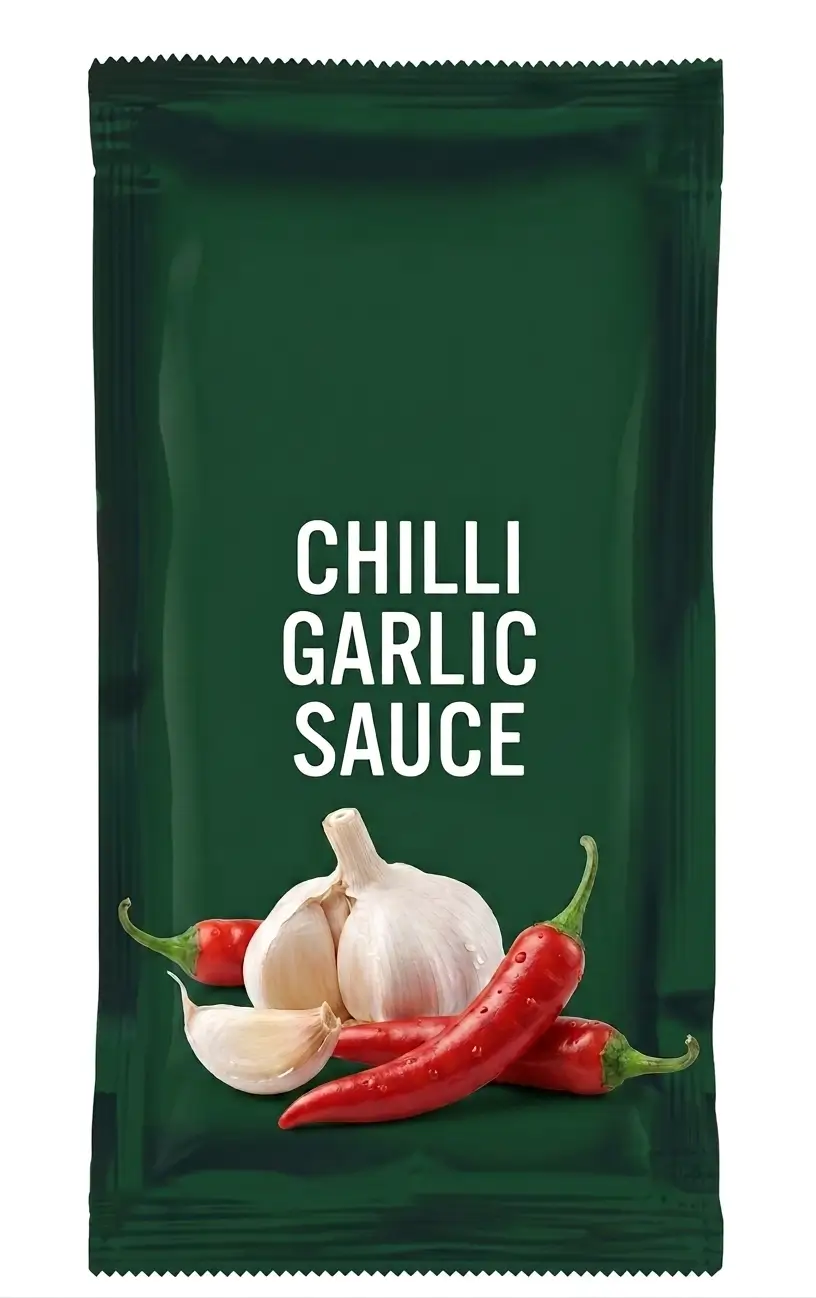
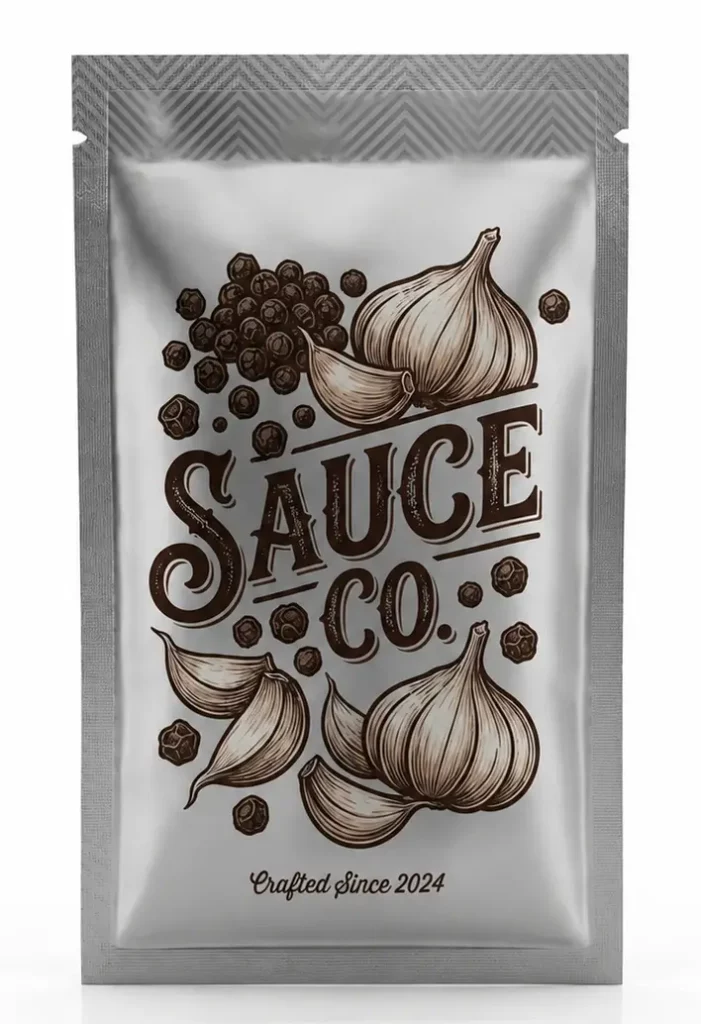
Foil Laminated Material: The Strong Barrier Choice
Used in many premium sauce packets, foil laminated material is known for its strong protection. It results in blocking light, air, and moisture almost completely, that stay sauces fresh for a long time. This makes it a great choice for products that travel long distances or need a longer shelf life. However, it costs more than other materials and is harder to recycle because it is made from multiple layers joined together. Food manufacturers use any material according to their needs by reading the condiment packaging material comparison to meet modern consumer demands.
Plastic Film Material: For Beginners
Affordable and easy to use, plastic film is one of the most common materials for condiment packaging. It is flexible, lightweight, and works well for large-scale production. Many fast-moving or low-cost sauce products use it because it is simple and cheap. However, it does not protect food as strongly as other materials, especially against air and moisture. It is also less eco-friendly, although newer recyclable versions are slowly improving their impact. A detailed condiment packaging material comparison shows the strong ability of plastic, glass, and paper-based solutions by further reading below!
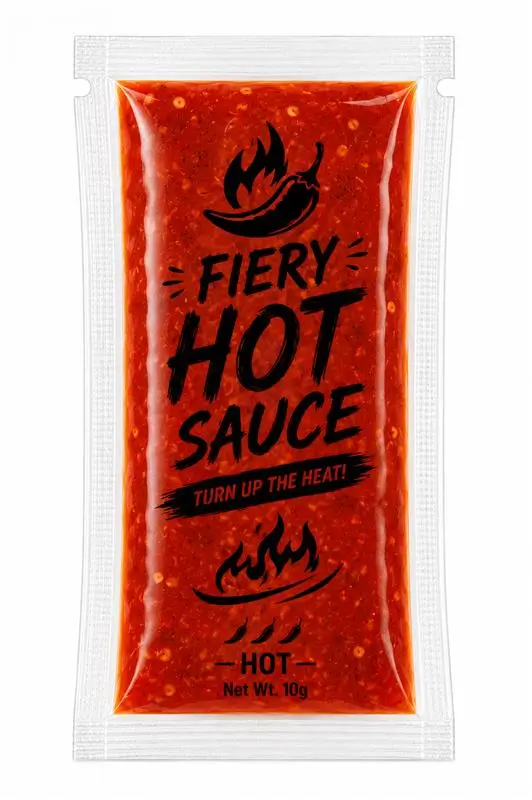
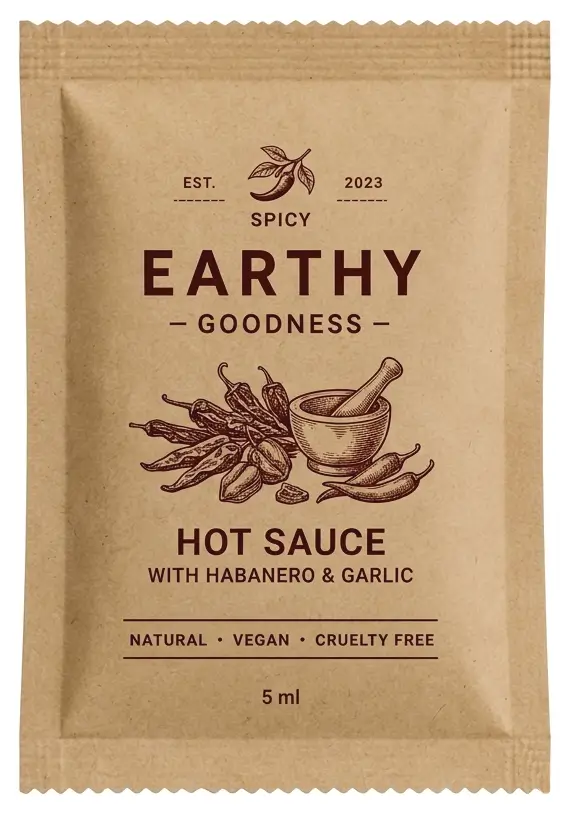
Paper-Based Packaging: Eco-Friendly Or Not Enough?
Businesses are choosing paper-based packaging as an eco-friendly option because it shows natural and eco-friendly packaging. However, paper cannot hold liquids like sauces properly, so it is usually coated or layered with other materials. While it is great for branding design and sustainability messaging, Flexible Retort Pouch Packaging is often considered more effective for protecting food in a condiment packaging material comparison to plastic or foil-based options.
High-Barrier Multi-Layer Packaging For Freshness
Strong protection is needed for sauces that must stay fresh for a long time, and that is where multi-layer packaging comes in. This type of packaging has several layers combined, each with its specific position, like blocking oxygen, moisture, or light. Because of this design, it results in keeping sauces fresh for longer and prevents damage during shipping. Even though it costs more and is harder to recycle, it is widely used for premium products.
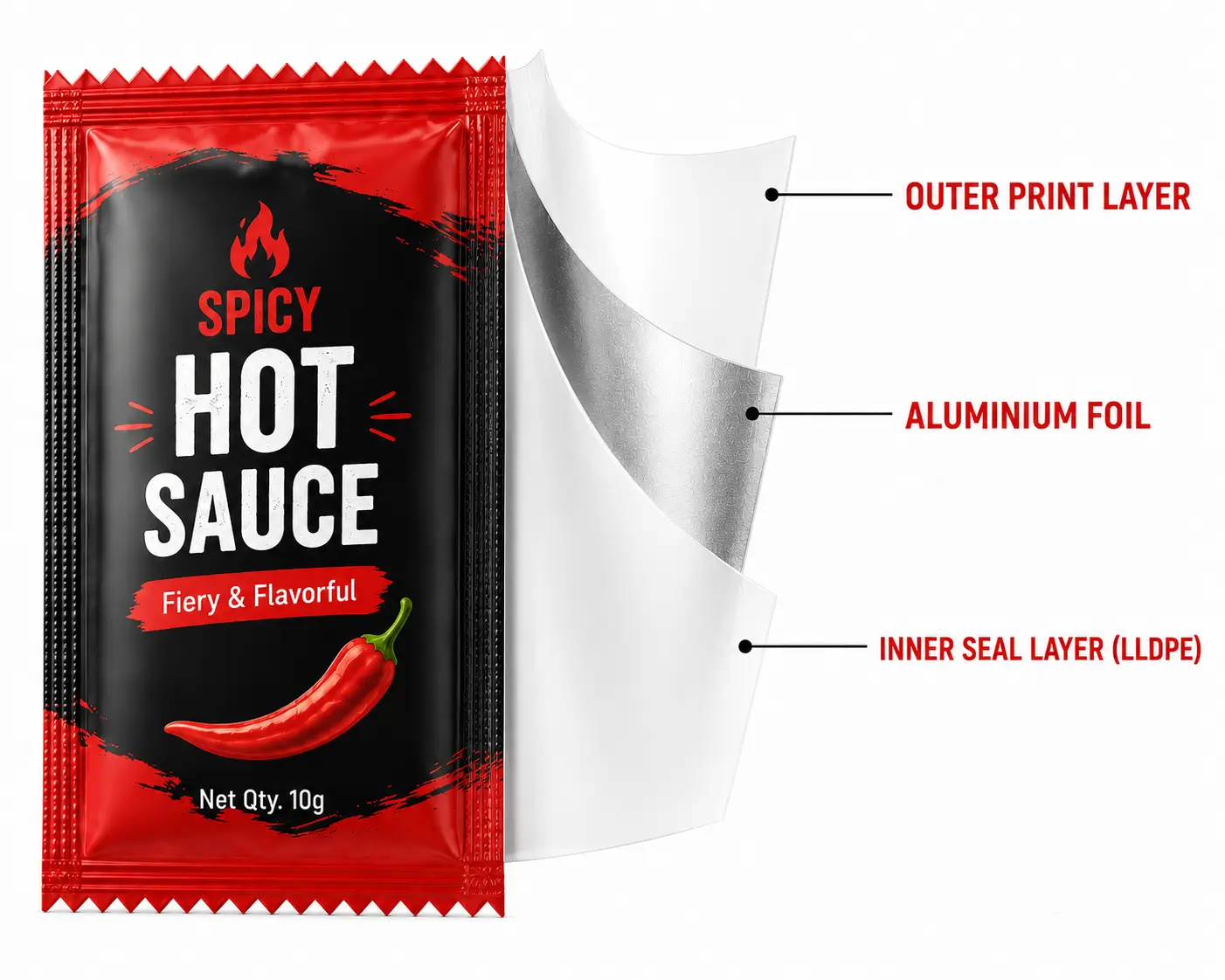
Ultimate Condiment Packaging Material Comparison You Must See
Different materials work better for different needs. Some are strong, some are cheap, and some are better for the environment. Mylar gives a good balance of protection and cost in condiment packaging material comparison. Foil laminates are stronger and used for premium sauces. Plastic films are cheap but less protective. Paper-based options look eco-friendly but need supportive layers. Multi-layer materials have the best performance overall. So, the right choice depends on what the brand values most.
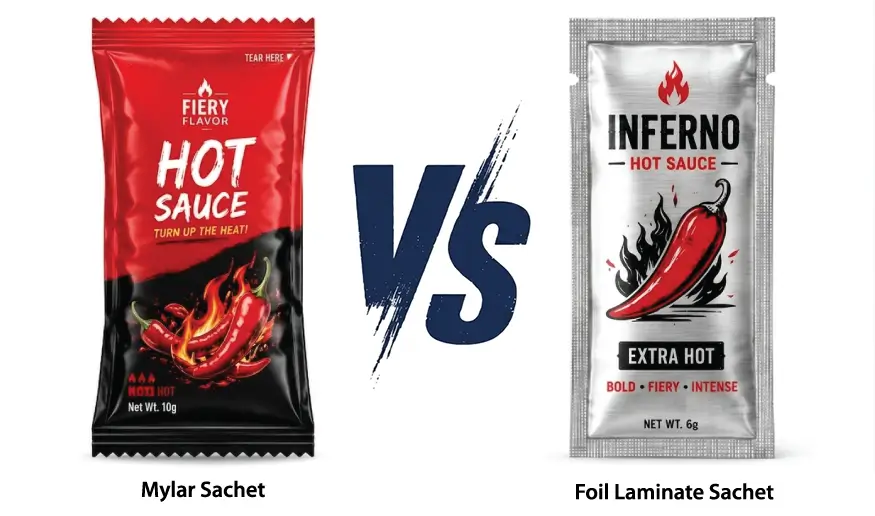
Mylar Material vs Foil Laminate Material
Mylar material is a favorite choice for many sauce brands because it is lightweight, flexible, and still gives excellent protection. Sauce Packaging is used to keep the sauces fresh by blocking moisture with bright and premium-quality printing. If you want sauce packets that look modern and feel high-end, Mylar packaging is usually a great option. The condiment packaging material comparison shows that materials offer the best barrier protection.
Foil laminated material is more focused on maximum protection and durability. It creates a very strong barrier against heat, light, and oxygen, that makes it perfect for spicy sauces or oily condiments. Brands that need extra freshness and safer transportation often prefer condiment packaging material comparison for foil laminate packaging for its reliable performance.
Plastic Film Material vs Paper-Based Material
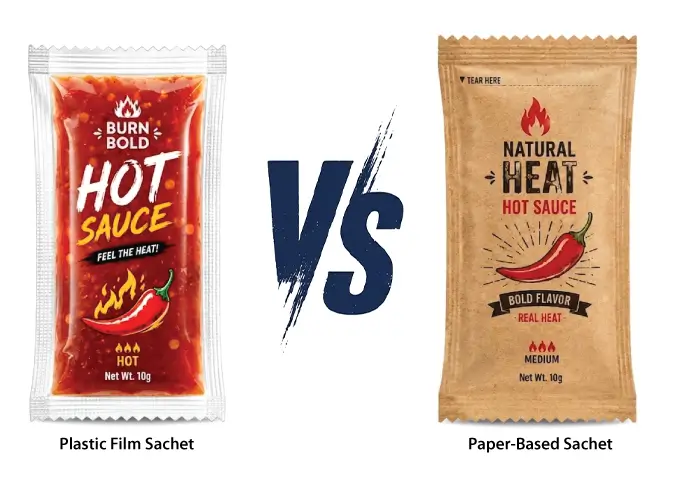
Plastic film packaging is one of the most common choices for sauce packets because it is affordable production. It works well for everyday condiment sachets and large-volume production. Many fast-food brands use plastic film packaging because it keeps costs lower while still providing decent protection, especially when using Custom Food Pouches With Logo for branding and visibility.
Paper-based packaging is mostly chosen by brands that want an eco-friendly and natural packaging style. It has a sustainable image that many modern customers appreciate. However, condiment packaging material comparison to plastic film, paper packaging may not handle moisture and liquid sauces as effectively, especially for long storage periods.
Single-Layer Material vs Multi-Layer Material Packaging
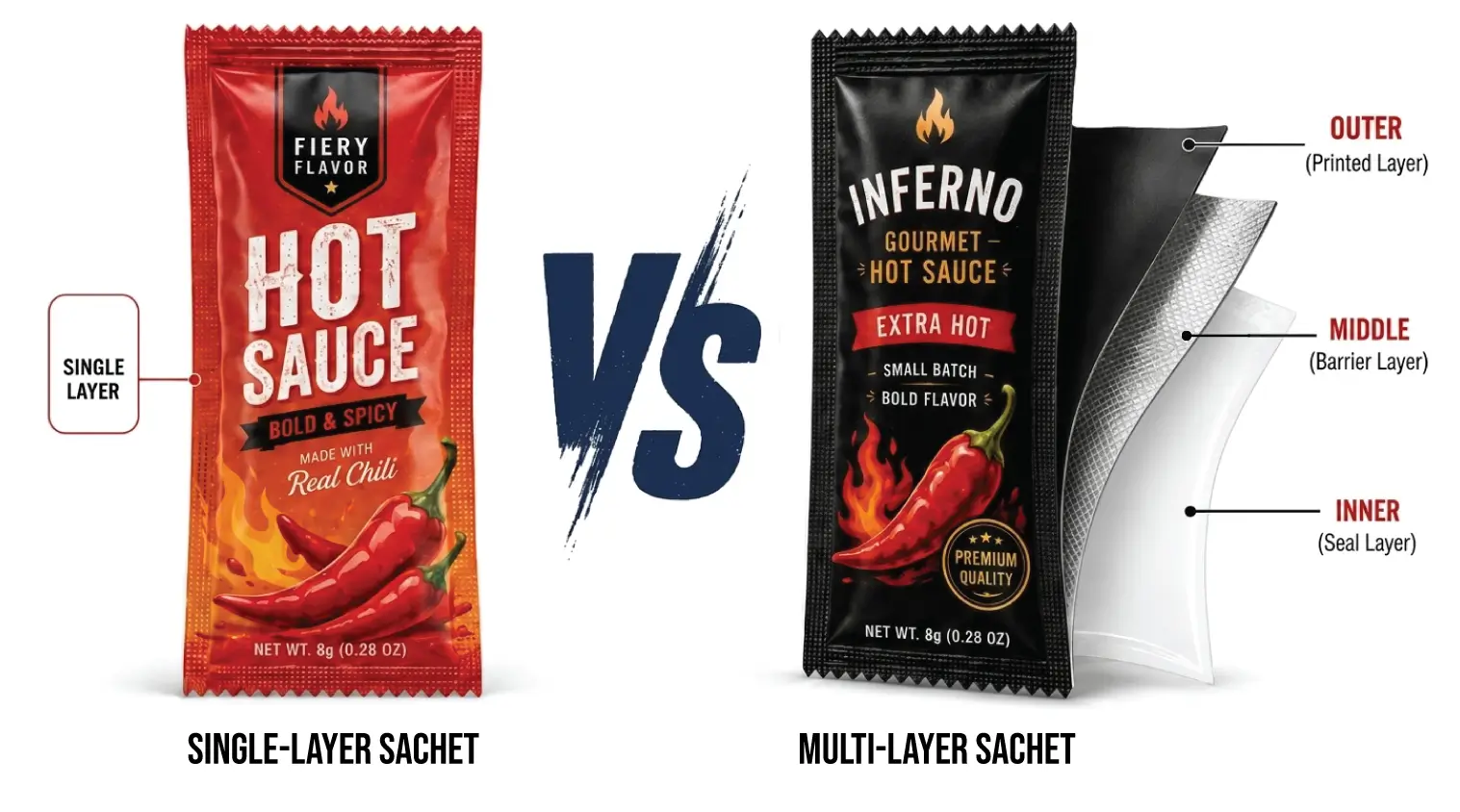
Single-layer packaging is simple and budget-friendly, making it suitable for basic sauce packet needs. Since it has only one material layer, it is lightweight and easier to use. This option seems best for products that do not require a very long shelf life or strong protection, especially in simple formats like a Custom Shape Mylar Bag. Through a condiment packaging material comparison, a brand can identify eco-friendly packaging alternatives.
Multi-layer packaging is designed for stronger performance and better preservation. Different material layers work together to block air, moisture, and heat more effectively. If you want sauce packets with higher durability, better leak resistance, and a more premium feel, multi-layer packaging is usually the smarter choice in condiment packaging material comparison.
“Packaging can be theater, it can create a story.” — Steve Jobs
Best Material Choice For Sauce Packaging
Choosing the right packaging material becomes much easier when you understand what each option is best designed in a condiment packaging material comparison. Different materials offer different advantages depending on your sauce type, branding goals, and storage needs, including modern options like Pouches For Packaging Food:
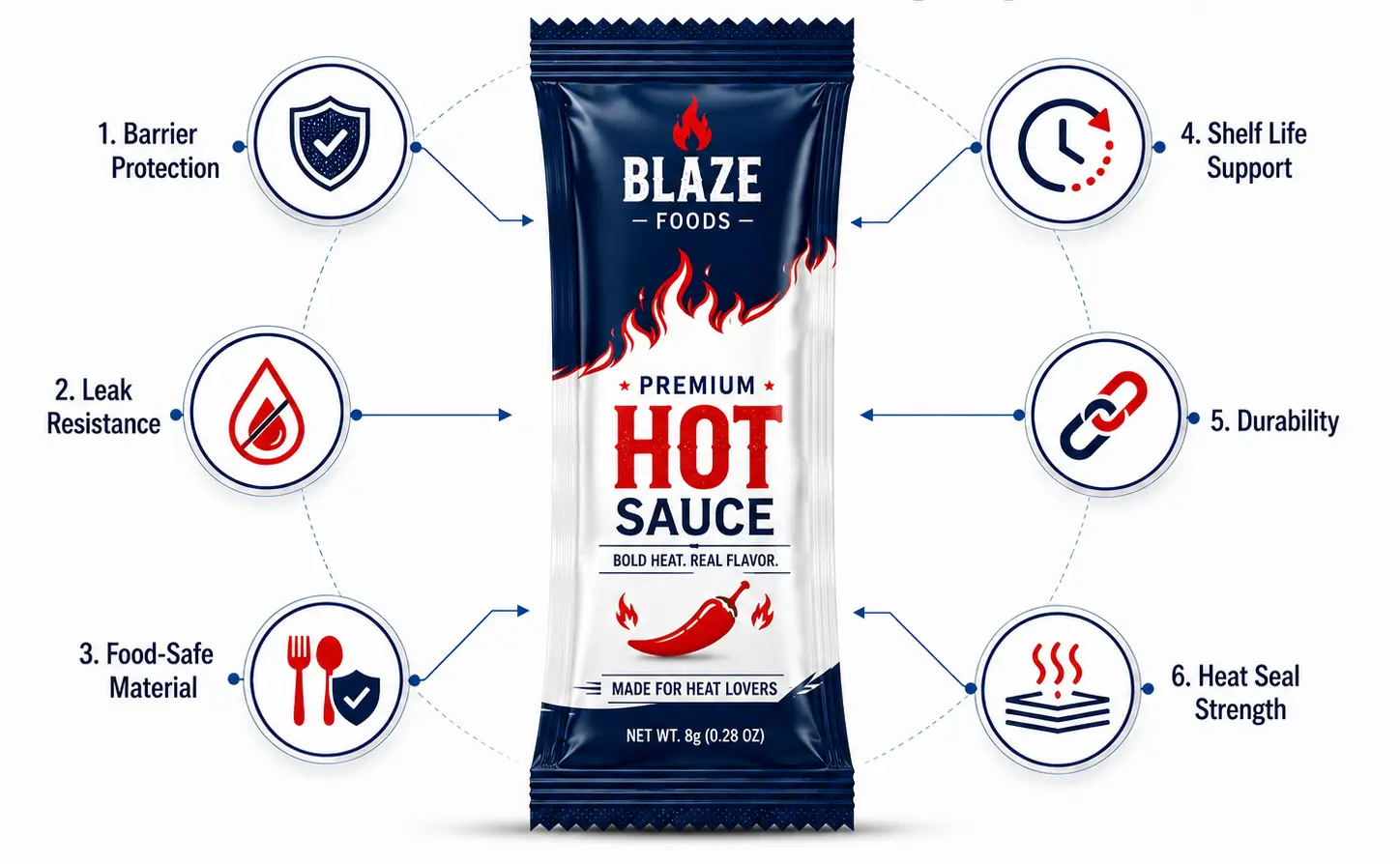
- For premium-quality packaging and stronger durability, Mylar or multi-layer packaging is usually the best choice because it is used for excellent freshness, protection, and a more professional appearance.
- If your business needs affordable, large-scale production, plastic film packaging is a budget-friendly option commonly used for everyday sauce sachets. A proper condiment packaging material comparison shows better decision-making for maintaining the shelf life of products.
- Brands that focus more on sustainability and eco-friendly branding often prefer paper-based packaging materials to create a natural and environmentally responsible image.
- When maximum freshness, leak resistance, and long-term protection are required, foil-laminated packaging is considered one of the most reliable solutions for sauce packets.
By understanding these condiment packaging material comparison differences, businesses can select the packaging material that matches their product requirements more confidently and effectively.
“My motto is strong packaging, clear addressing.” — Halldór Laxness
Quick Visual Chart Comparison (At a Glance)
It becomes easier to understand when you condiment packaging material comparison them quickly. So, visualize quickly to know at the 1st glance:







| Packaging Material | Durability | Leak Protection | Printing Quality | Shelf Life | Cost | Best For |
| Mylar Packaging | Excellent | Excellent | High-quality vibrant printing | Long shelf life | Medium | Premium hot sauce packets |
| Foil Laminated Material | Very Strong | Excellent barrier protection | Sharp professional printing | Extended freshness | Medium-High | Oil-based, soy sauce, and spicy sauces |
| Plastic Film Packaging | Good | Good | Flexible printing options | Moderate shelf life | Low | Everyday condiment sachets |
| Paper-Based Packaging | Moderate | Lower moisture protection | Natural eco-style printing | Shorter shelf life | Medium | Eco-friendly sauce brands |
| Multi-Layer Flexible Packaging | Excellent | Excellent | Premium print finishes | Very long shelf life | Medium-High | Commercial food packaging |
What’s The Best Option In Condiment Packaging For 2026
2026 packaging trends are becoming smarter and more eco-friendly. Universal Packaging is working on new trends of 2026, that are recyclable materials, multi-layer materials, and reducing plastic use. New designs like resealable sachets and better flow-control spouts are also becoming popular. Customers get information easily from QR code packaging. You can have a look at Hot Sauce Packaging Trends (2026) to see detailed on how these packages are shaping the future of sauce packaging. Overall, the goal is to make packaging more useful, sustainable, and user-friendly while still keeping food fresh and safe. So, you can make a smart choice by consulting professionals now!
Conclusion
Condiment packaging plays an important role in keeping sauce fresh, safe, and tasty. Each material offers different benefits, such as low cost, strong protection, or eco-friendly design. The best choice from the condiment packaging material comparison depends on what the product needs most. As we move through 2026, let’s continue with this Custom Packaging that is becoming more modern and more sustainable over time. Brands that choose the right packaging can improve the quality of the product, reduce waste, and create a better overall customer experience.
Frequently Asked Questions (FAQs)
What is the best material for all types of condiments?
The best material depends on the type of product, shelf life, and sustainability goals. Common choices include plastic and biodegradable options.
Which packaging material is most eco-friendly?
Compostable and recyclable materials like paper-based (kraft) and bioplastics are the most eco-friendly. They reduce long-term pollution and landfill waste.
Can condiment packaging materials be customized?
Yes, you can customize size, material, logo, and color, all according to your needs, from Universal Packaging. Brands can adjust size, shape, color, and printing design.
What are common types of condiment packaging materials?
Common materials include PET plastic, aluminum sachets, and flexible pouches. Each has different durability, performance, and cost advantages.
Is aluminum packaging good for sauces and condiments?
Yes, aluminum results in a strong protection against light and air exposure. It is lightweight and recyclable, but not always resealable.
What is the most cost-effective packaging material?
Plastic packaging is generally the most cost-effective option. It is lightweight, cheap to use, and widely available.
Why is packaging material important for condiments?
Packaging material affects the freshness, safety, and shelf life of the product. It also influences cost, branding, and environmental impact.