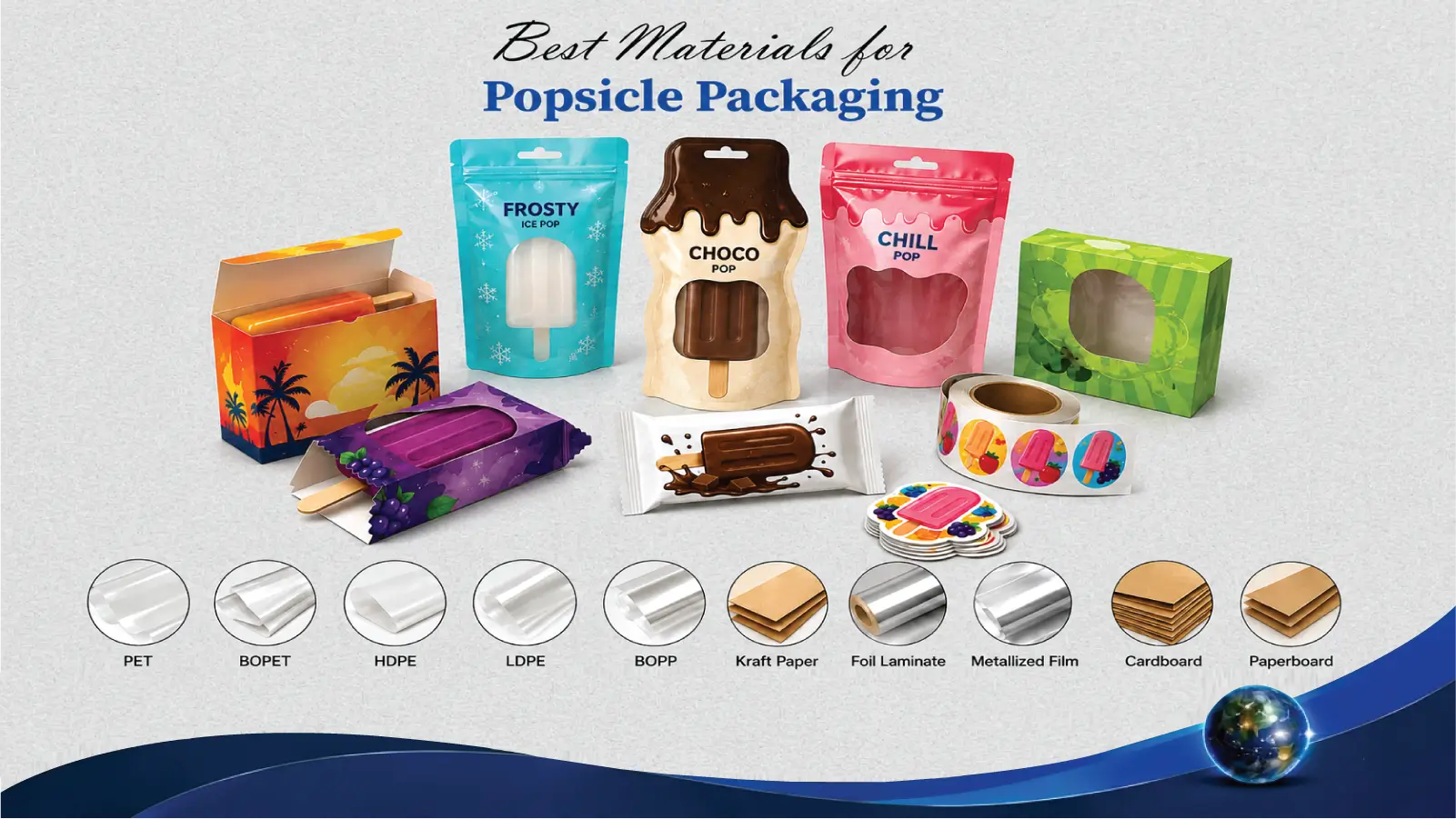
The Best Materials For Popsicle Packaging material is an important part of keeping popsicles protected during filling, freezing, storage, and transportation. For frozen treats, the film should have suitable flexibility, strength, moisture resistance, and sealing performance. Common materials include PE, LDPE, HDPE, BOPP, BOPET, and PET, cellulose, cardboard, cardstock, paperboard, recycled kraft paper, and corrugated, with each option offering different characteristics. The material selection should be based on freezer conditions, film thickness, sealing requirements, food-contact standards, printing preferences, and the desired presentation of the product.
Explore Popular Materials For Popsicle Packaging
A review of the best materials for popsicle packaging may include PE, LDPE, HDPE, BOPP, BOPET, and PET. PE and LDPE are associated with flexible film formats, while HDPE is known for greater stiffness. BOPP is often considered for clear and printed applications, whereas BOPET and PET, cellulose, cardboard, cardstock, paperboard, recycled kraft paper, and corrugated are frequently included in laminated structures where strength and dimensional stability are important. The appropriate material combination should be determined according to the specific requirements of the Popsicle Bags Custom and its storage conditions.
Understand Performance Factors Of These Materials
Several material properties should be reviewed before a film is selected for popsicle packaging. Flexibility, tensile strength, puncture resistance, moisture resistance, seal strength, clarity, and thickness all have an effect on the suitability of the finished format. For Plastic Popsicles, moisture resistance is particularly important because condensation may occur during storage and handling. The best materials for popsicle packaging may vary according to the desired flexibility, durability, clarity, and presentation of the product.
1. Select PE For Frozen Popsicles
PE, or polyethylene, is a widely recognised material for flexible food packaging. Its flexibility and heat-sealing characteristics make it suitable for various Commercial Popsicle Wrappers. Different PE grades can be produced with varying levels of softness, thickness, and strength, so the film structure can be matched with the requirements of the popsicle product. For direct food contact, the best materials for popsicle packaging and an appropriate food-grade PE specification should be selected according to applicable requirements. PE is particularly suitable where flexible handling, moisture resistance, and reliable sealing are important.
2. Explore LDPE For Flexible Popsicle Bags
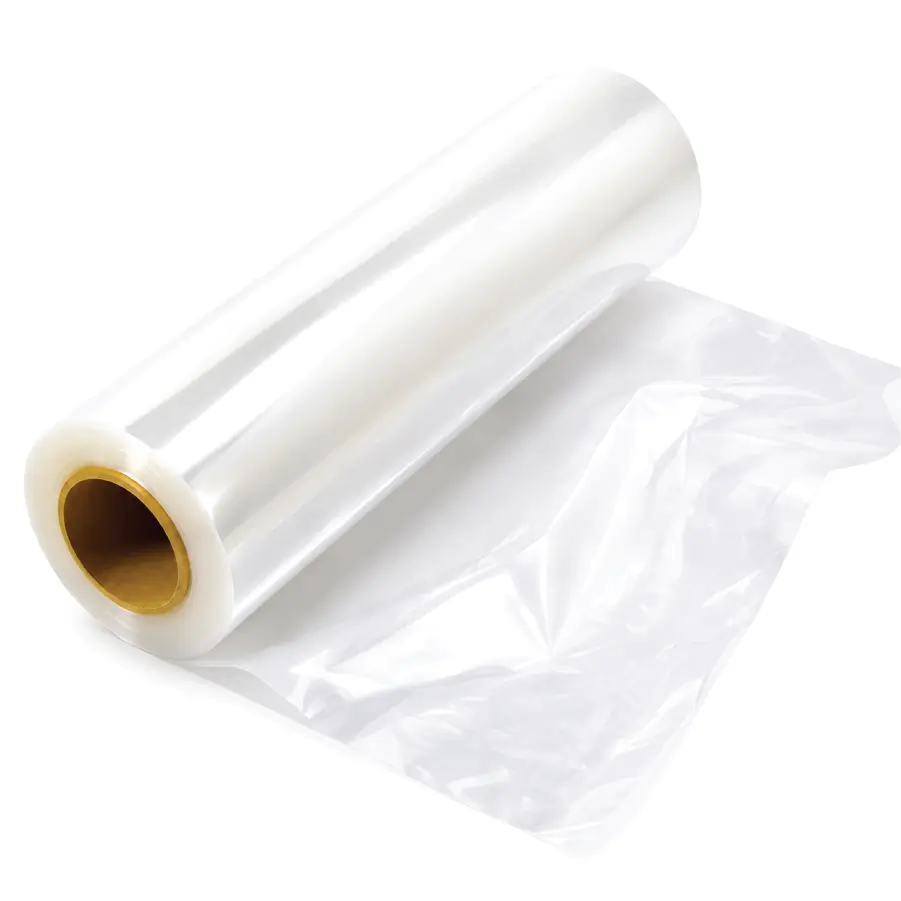
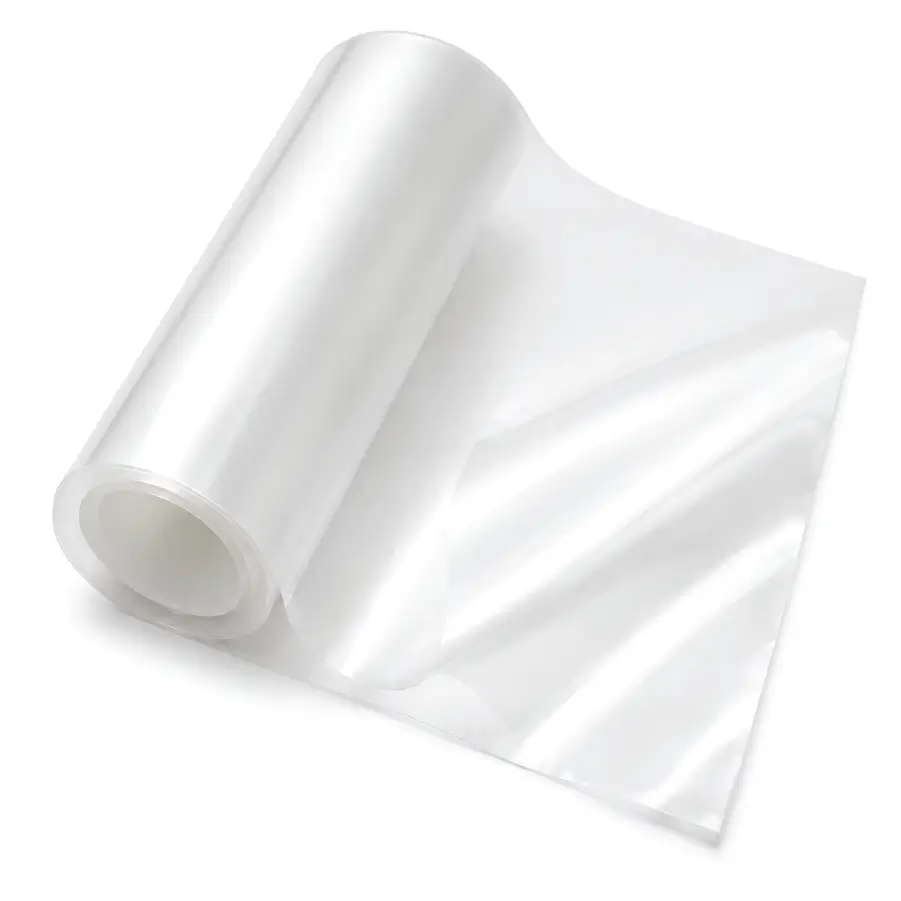
LDPE, or low-density polyethylene, is a softer and more flexible form of polyethylene. This flexibility makes LDPE suitable for popsicle bags where a soft film feel and easy handling are preferred. Heat sealing is also commonly associated with LDPE films, making the material suitable for sealed frozen-product formats. For Custom Size Mylar Bags, an appropriate LDPE film structure can provide a balance between flexibility and durability. Among the best materials for popsicle packaging, LDPE is recognised for its soft, flexible film structure and convenient handling.
3. Consider HDPE For Stronger Popsicle Packaging
HDPE, or high-density polyethylene, has a denser structure and is generally stiffer than LDPE. This characteristic makes HDPE suitable for applications where a firmer film feel and greater resistance to handling pressure are preferred. Different HDPE thicknesses and grades can be specified according to the required performance. When reviewing the best materials for popsicle packaging, HDPE stands out for its greater stiffness and strength compared with LDPE.
4. Discover BOPP For Clear Popsicle Packaging
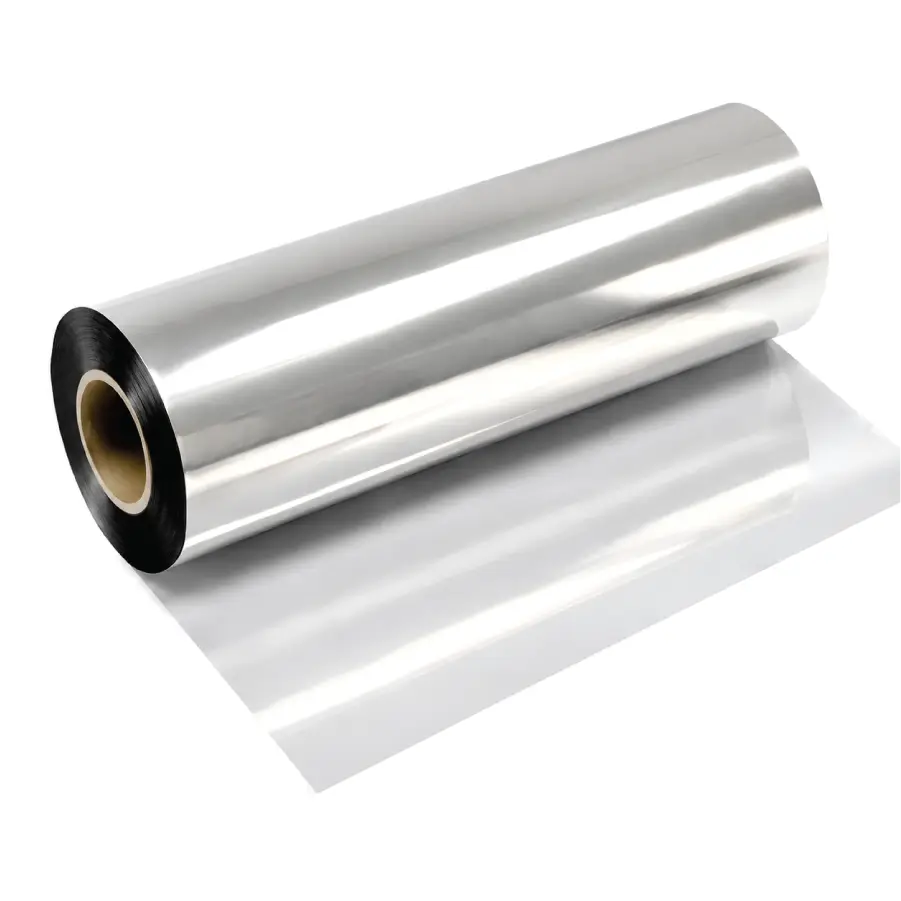
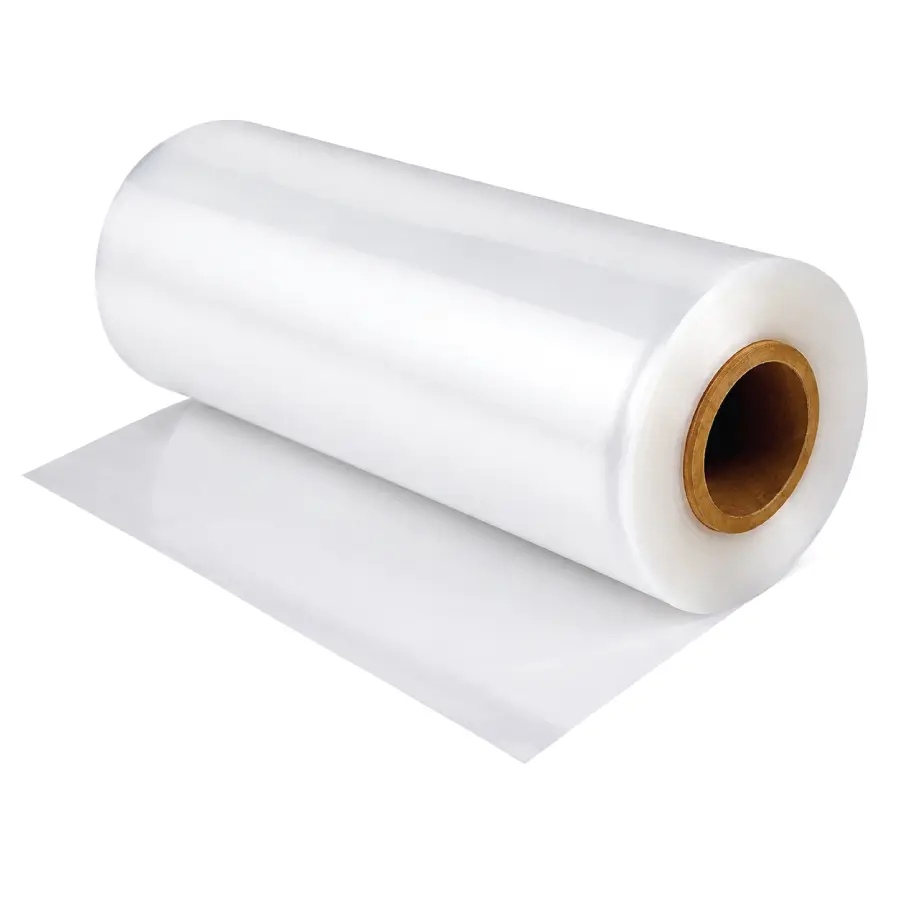
BOPP, or biaxially oriented polypropylene, is known for clarity, surface appearance, and printability. It may be considered when a clear film or visually detailed printed format is preferred for the presentation of the product. The final structure of Custom Packaging Wrappers may include a compatible sealing layer for secure closure. Clear windows, detailed graphics, and colourful artwork can include a clear window feature for visible presentation of the product. BOPP is included among the best materials for popsicle packaging where clarity, printing quality, and an attractive surface are important.
5. Examine BOPET for Durable Frozen Packaging
BOPET, or biaxially oriented polyethylene terephthalate, is a strong and dimensionally stable film. It is often included in laminated structures where durability, surface quality, and print performance are important. A BOPET layer may be combined with a suitable sealing film to form a structure packaging designed for frozen food applications. As one of the best materials for popsicle packaging, BOPET is suitable for laminated structures where strength and dimensional stability are required. The desired presentation of the Frozen Food Packaging For Small Business should then be considered, including clear film, printed artwork, matte finishes, glossy finishes, or specific colour.
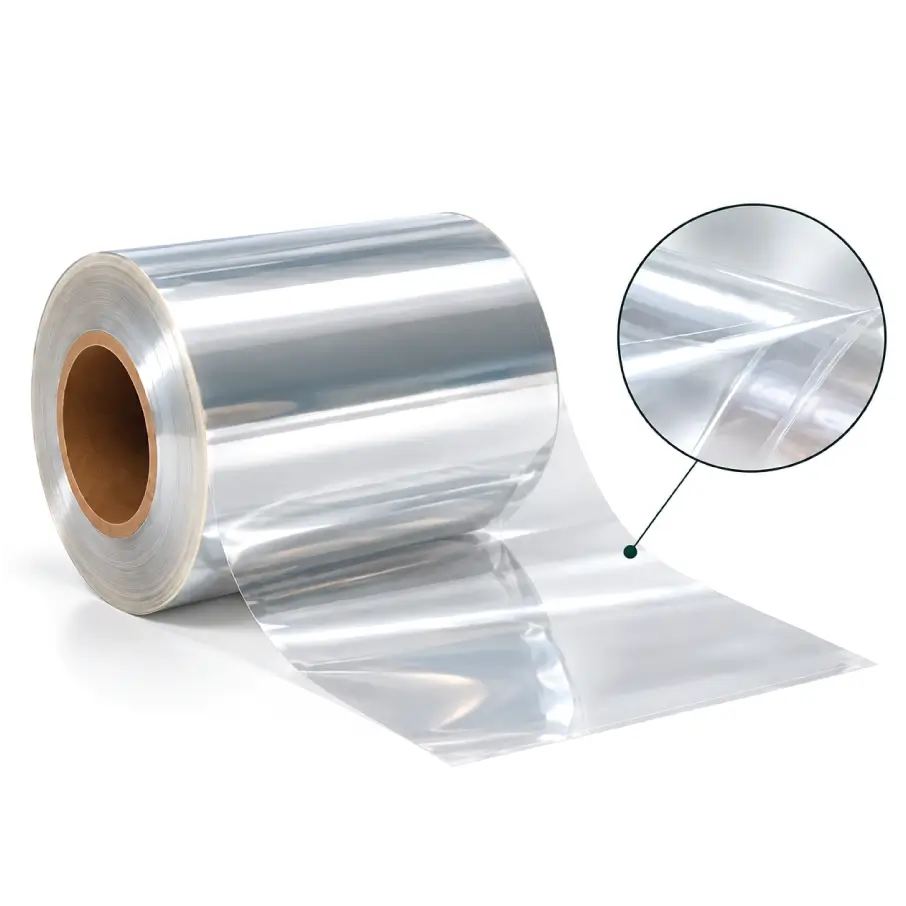
6. Learn About PET for Popsicle Packaging
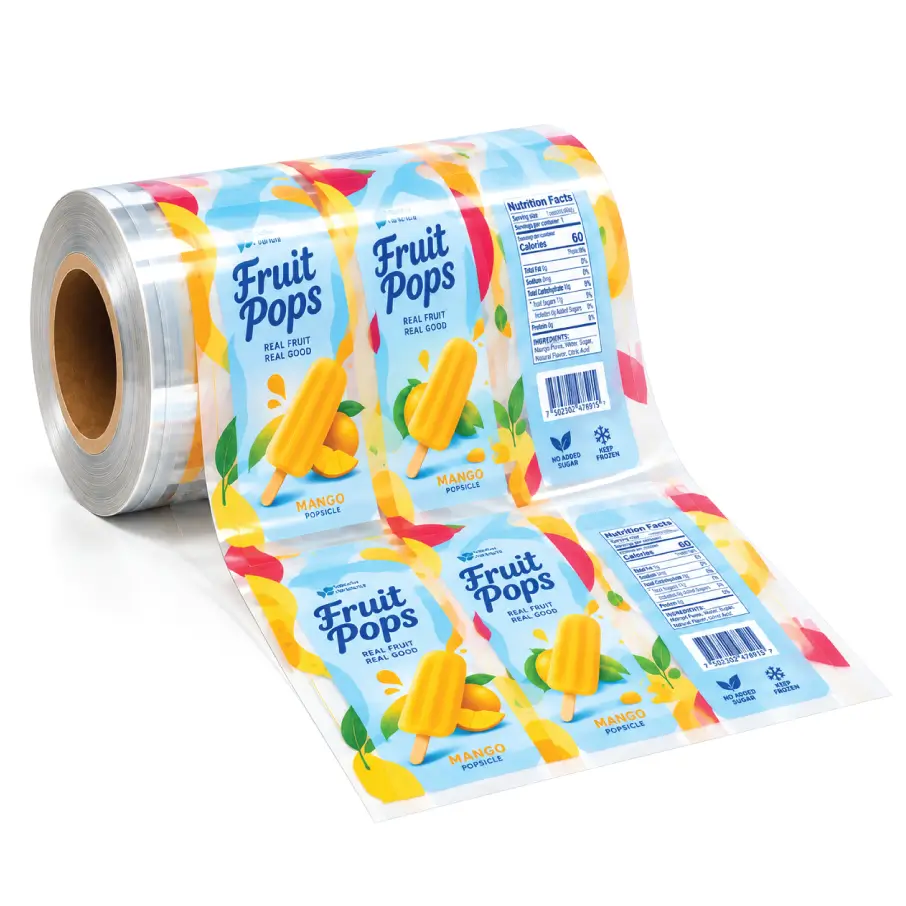
PET, or polyethylene terephthalate, is recognised for strength, clarity, and dimensional stability. In flexible packaging, PET may be incorporated as an outer layer within a laminated film structure. This format can be suitable where a durable printing surface and consistent film appearance are desired. A compatible inner sealing layer may be included to provide the required closure performance. The complete structure should be reviewed for freezer conditions, food-contact suitability, thickness, and printing requirements before production. PET is among the best materials for popsicle packaging when strength, clarity, and a stable printing surface are preferred.
7. Explore Cellulose for Popsicle Packaging
Cellulose is a plant-based material associated with renewable fibre sources and biodegradable properties. It may be considered for selected food-packaging applications where a fibre-based structure is preferred. For frozen products, the best materials for popsicle packaging with suitable moisture resistance and food-contact properties should be established through an appropriate coating or barrier layer. Cellulose-based films may be incorporated into sleeves, wraps, or outer formats.
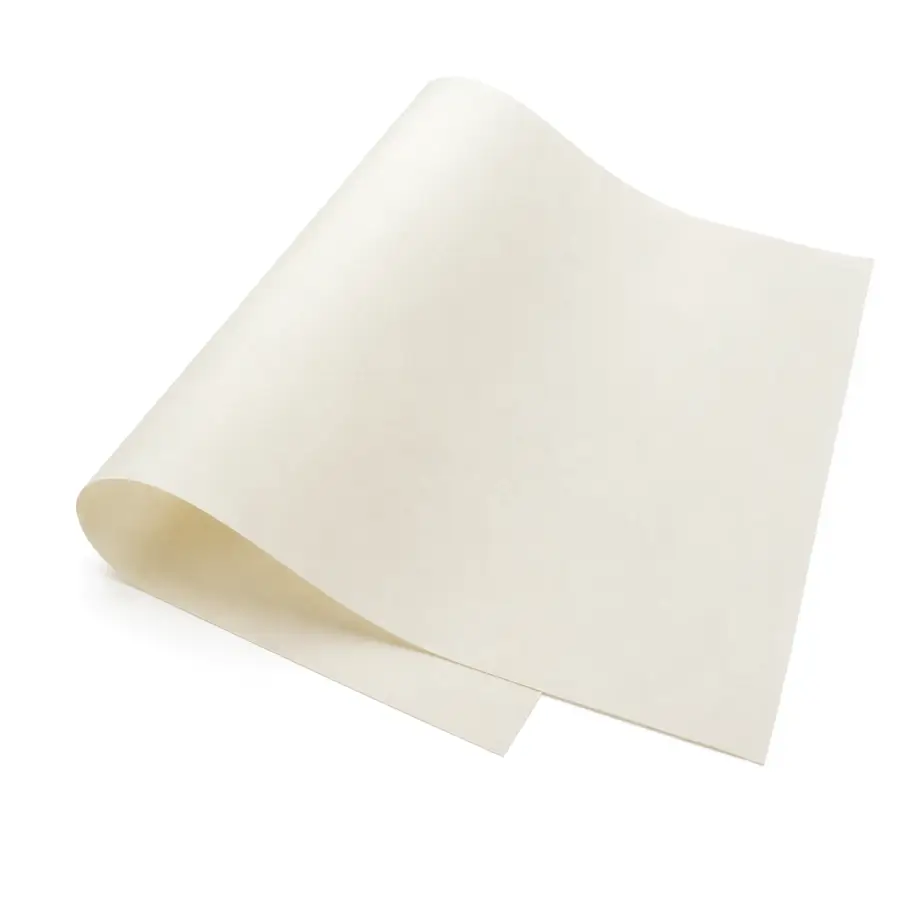
8. Consider Cardboard for Popsicle Boxes
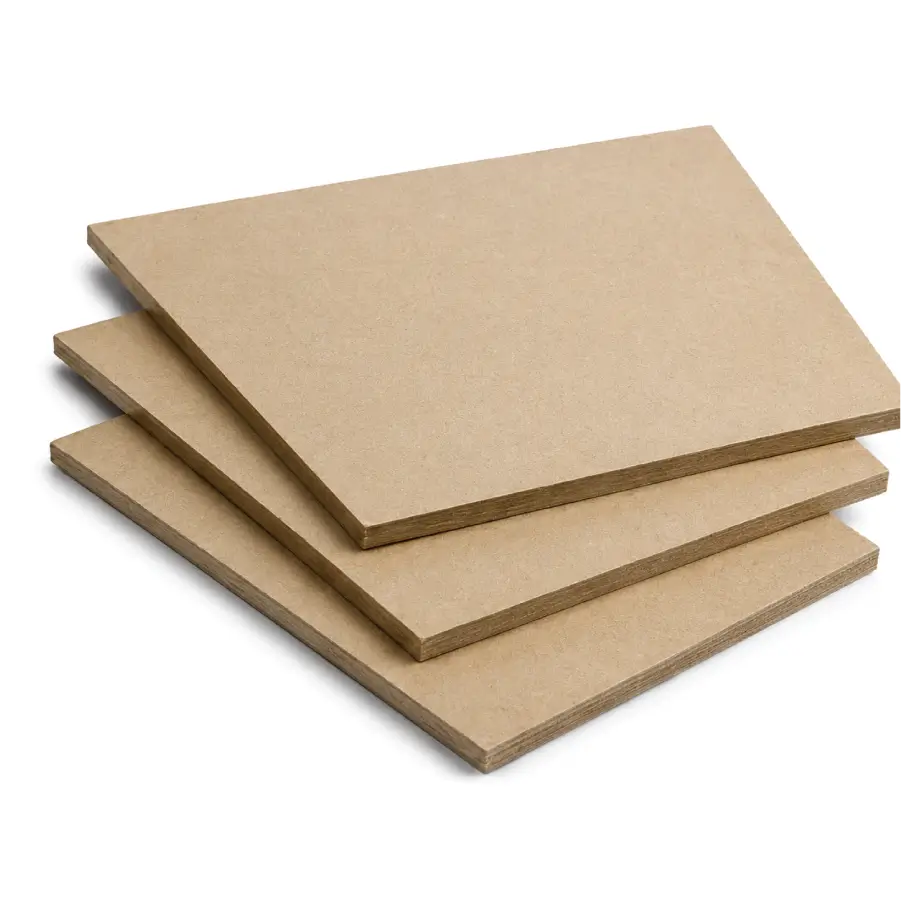
Cardboard is a fibre-based material commonly associated with boxes, sleeves, and secondary packaging formats. Its firm structure is suitable for outer packaging where rigidity and printed presentation are preferred. For direct contact with frozen popsicles in best materials for popsicle packaging, a suitable food-contact coating or barrier layer on a Popsicle Packaging Box. Cardboard boxes may feature printed artwork, information, and different colours for presentation.
9. Discover Cardstock for Printed Sleeves
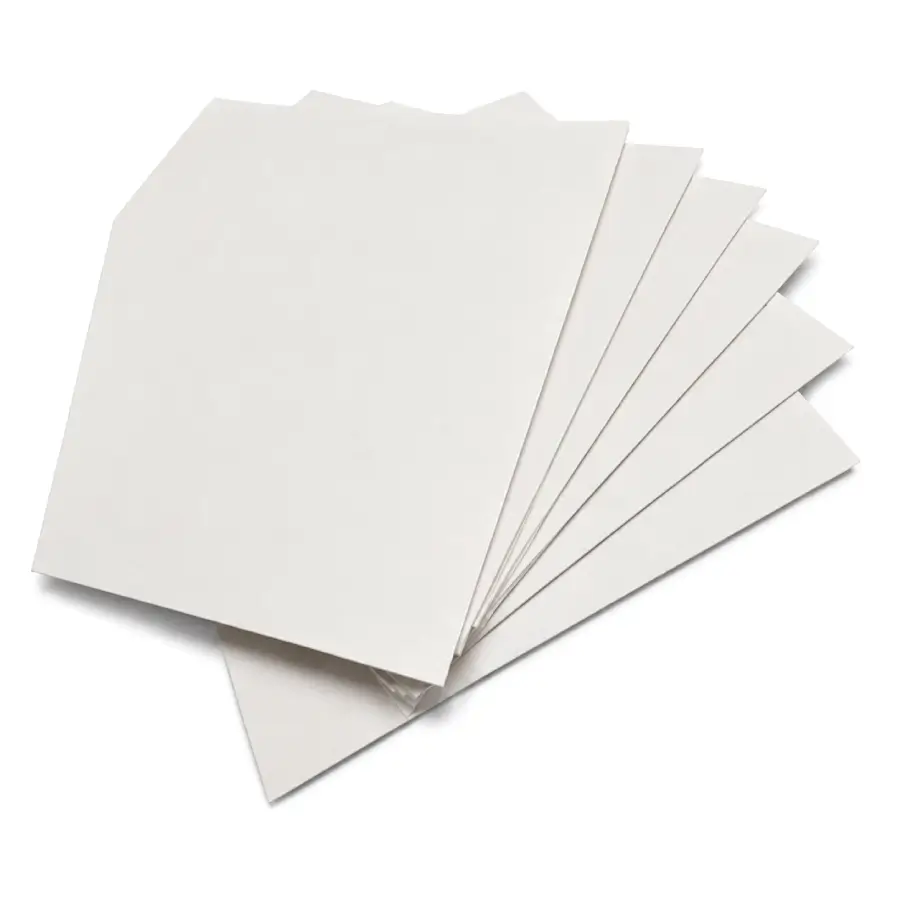
Cardstock is a thicker paper material with a firm, printable surface. It may be considered for popsicle sleeves, wraps, labels, and outer formats where lightweight structure is preferred. For frozen applications, a suitable barrier or inner layer should be included where moisture exposure is expected. For Ice Pop Sleeves, the selected best materials for popsicle packaging grade should be suitable for food contact and the expected freezer conditions. Printed artwork, product details, and colourful designs can be incorporated according to the presentation of the product.
10. Explore Paperboard for Popsicle Packaging
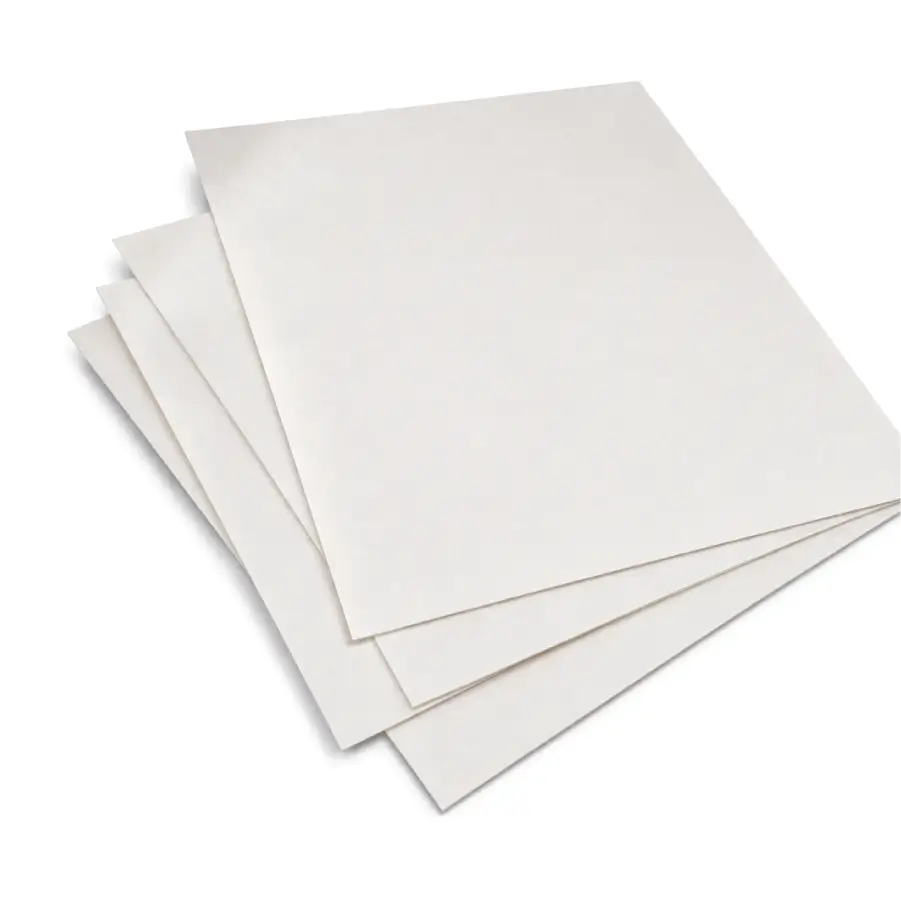
Paperboard is a thicker paper-based material commonly associated with boxes, cartons, and sleeves. Its rigid structure and printable surface are suitable for outer packaging formats where a sturdy presentation is preferred. For popsicle applications, the best materials for popsicle packaging with a suitable coating or inner barrier should be included where moisture or direct food contact is expected. Printed graphics, product information, colours, and finishes can be incorporated. For more ideas on artwork, printing, and the presentation of the product, Printed Popsicle Packaging can be explored alongside different material and format considerations.
11. Consider Recycled Kraft Paper for Popsicles
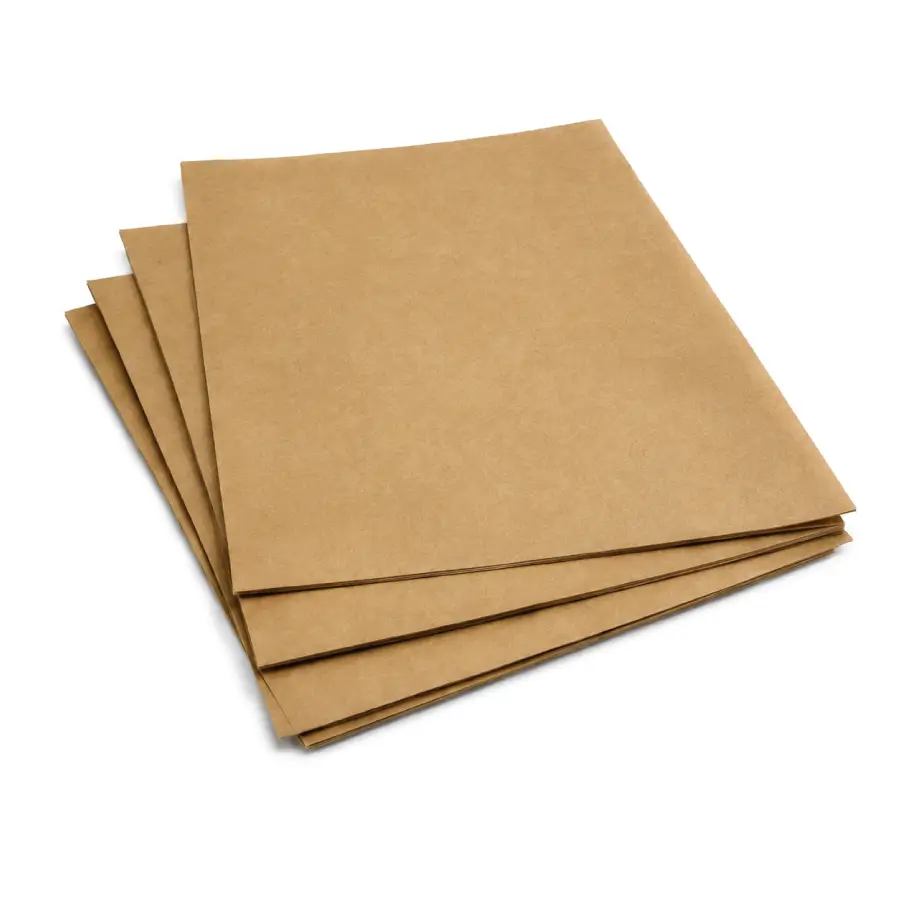
Recycled kraft paper contains recycled fibre content and has a natural paper appearance. It may be considered for outer sleeves, wraps, labels, and secondary packaging where recycled content is preferred. Since the best materials for popsicle packaging, frozen popsicles may involve condensation and moisture, a suitable barrier or coating should be included where required. Printed artwork, product information, and natural-looking colours can be incorporated into the presentation of the product.
12. Examine Corrugated Material for Shipping
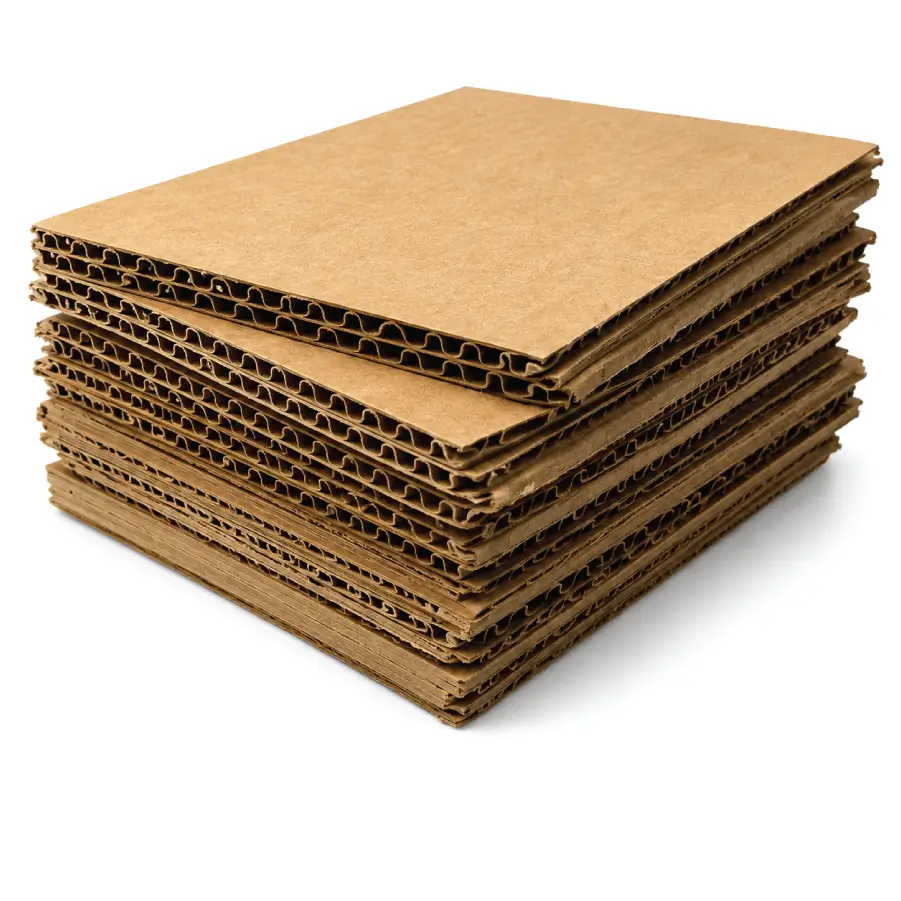
Corrugated material consists of paper-based layers with a fluted inner structure for added rigidity. It is primarily suited to shipping cartons, transport boxes, and secondary packaging rather than direct contact with individual popsicles. The structure is considers as a best materials for popsicle packaging suitable for transporting multiple packaged products together. Printed graphics, product information, and shipping details can be incorporated according to the requirements of the outer packaging format.
“Big things come in small packages!” — Stacey King
Understand Freezer Storage And Temperature Performance
Freezer performance is a consideration for popsicle packaging because the finished bags remain exposed to low temperatures. The selected film should remain suitable under the intended storage conditions, with excessive brittleness and sealing problems avoided through appropriate material selection and testing. Understanding the best materials for popsicle packaging makes it easier to compare different film types for Custom Food Packaging Sleeves.
Moisture resistance is also important because condensation may occur when frozen products move between different environments. A suitable moisture barrier in Zip Popsicle Bags can be considered when a resealable closure is preferred for convenient handling. Testing under actual or simulated freezer conditions is recommended so seal strength, flexibility, and overall durability can be reviewed before larger production quantities are ordered.
Discover Sustainable Popsicle Materials Alternatives
Sustainability can also be included in the material selection process. Mono-material PE structures may be considered where the required sealing, barrier, and strength properties can be achieved within a compatible PE-based format. Recyclable film structures may also be reviewed according to local recycling systems and applicable regulations. The best materials for popsicle packaging are selected according to flexibility, strength, moisture resistance, and the intended storage environment.
Canadian requirements may include applicable provisions under the Food and Drug Regulations, including Division 23 for food-contact packaging, the Safe Food for Canadians Regulations (SOR/2018-108), and the Consumer Packaging and Labelling Act (R.S.C., 1985, c. C-38) together with the Consumer Packaging and Labelling Regulations (C.R.C., c. 417). Where applicable, packaging and environmental claims must also comply with Canadian requirements governing accurate and non-misleading representations.
“Recycling, packaging, businesses are changing all of those things because that’s what consumers want.” — Jerry Greenfield
Choose The Right Materials For Popsicles
Film thickness, freezer performance, food safety, moisture resistance, sealing, printing, sustainability, and presentation of the product should all be reviewed together. A suitable film structure is important when evaluating the best materials for popsicle packaging for secure frozen storage. For deciding which material to select for popsicle packaging, factors such as size, thickness, closure style, freezer conditions, and the presentation of the product should be considered together. For that, you have to review How to Choose the Right Popsicle Packaging offering further guidance on the selection process.
| Material | Main Characteristics | Suitable Considerations |
| PE | Flexible, sealable, moisture resistant | General frozen applications |
| LDPE | Soft, flexible, heat sealable | Flexible popsicle bags |
| HDPE | Stiffer and stronger | Firmer film formats |
| BOPP | Clear, printable, and lightweight | Printed and clear formats |
| BOPET | Strong and dimensionally stable | Laminated film structures |
| PET | Strong, clear, and stable | Printed outer film layers |
| Cellulose | Plant-based, renewable, fibre-based | Selected wraps, sleeves, and outer formats |
| Cardboard | Firm, printable, and rigid | Popsicle boxes and secondary packaging |
| Cardstock | Thick, lightweight, and printable | Printed sleeves, wraps, and labels |
| Paperboard | Rigid, smooth, and printable | Popsicle boxes, cartons, and sleeves |
| Recycled Kraft Paper | Recycled fibre content, natural appearance | Outer sleeves, wraps, and secondary formats |
| Corrugated | Fluted, rigid, and protective | Shipping cartons and transport packaging |
This comparison shows how different film materials may be suited to different popsicle packaging requirements. Best materials for popsicle packaging can be compared through factors such as sealing, puncture resistance, and moisture protection. Make a smart choice; reach experts today!
Conclusion
The best materials for popsicle packaging depend on the required balance of flexibility, strength, moisture resistance, freezer performance, sealing, and presentation of the product. PE, LDPE, HDPE, BOPP, BOPET, PET, cellulose, cardboard, cardstock, paperboard, recycled kraft paper, and corrugated each have different characteristics for frozen applications. Careful consideration of film thickness, laminate structure, food safety, printing, freezer conditions, and sustainability can lead to a more suitable packaging format. Canadian Custom Packaging also results in producing the formats with sample testing before production, that results in a clearer basis for confirming the selected material and film structure. The selection of the best materials for popsicle packaging should include freezer testing before full-scale production.
Frequently Asked Questions (FAQs)
What is the best material for popsicle packaging?
PE and LDPE are popular options because they have flexibility, moisture resistance, freezer suitability, and reliable heat sealing.
What thickness is suitable for popsicle packaging?
A thickness between 60 and 100 microns is commonly considered suitable, depending on product size, handling, sealing, and storage conditions.
Is LDPE better than HDPE for popsicle packaging?
LDPE offers greater flexibility, while HDPE is used for higher stiffness, making material selection dependent on the desired bag structure and handling.
Can BOPP be used for popsicle packaging?
BOPP is suitable for printed outer layers and moisture resistance, often as part of a laminated film structure.
Are popsicle packaging materials food safe?
Food-grade films such as PE, LDPE, and approved laminated structures are suitable when manufactured according to applicable food-contact requirements.
Where can I buy custom popsicle packaging?
Custom popsicle packaging is offered by Universal Packaging Canada, with material, printing, size, and finishing options, including custom printing and digital printing for different products.
How do I select the right popsicle packaging material?
Material selection should consider freezer conditions, flexibility, thickness, sealing performance, moisture resistance, printing requirements, and intended product size.