The first impression of small products is often decided before the packaging is opened, making the selection of suitable materials an important part of presentation. Best Materials For Header Card Printing are considered according to durability, printing quality, and other specific requirements. Different materials with different printing methods are selected according to the requirements of packaging, product type, and presentation. Continue reading to discover the best materials for header card printing and comparison details for header card packaging.
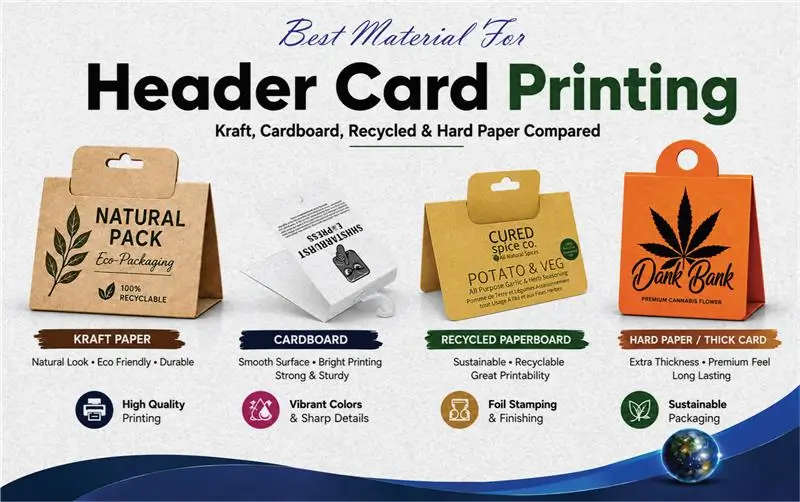
Custom Header Cards: At A Glance
The custom header cards are printed cards attached to bags or small packages for retail display and information attachment. These cards are commonly prepared with materials such as kraft paper, cardboard, and recycled paperboard. A professional presentation of the product is achieved through proper material selection and suitable printing methods. The packaging of the product is presented in a more organized way through these printed cards, especially for small retail items. The selection of the best materials for header card printing is based on the requirements of the product, display conditions, and desired appearance. Continue reading to explore which materials are most suitable for different header card requirements.
Types Of Materials For Header Card Printing
Selection of material plays an important role in the appearance, durability, and printing quality of header cards. Different paper and board options are selected according to packaging requirements, retail display needs, and the desired presentation of the product. Kraft paper, cardboard, recycled paperboard, and hard paper are commonly considered for header card applications because different surface characteristics, thickness levels, and printing suitability are associated with each option. The best materials for header card printing are selected according to the required strength, visual appearance, and finishing preferences.
Continue reading to explore the most suitable material options for different header card requirements.
1. Kraft Material Types for Header Cards
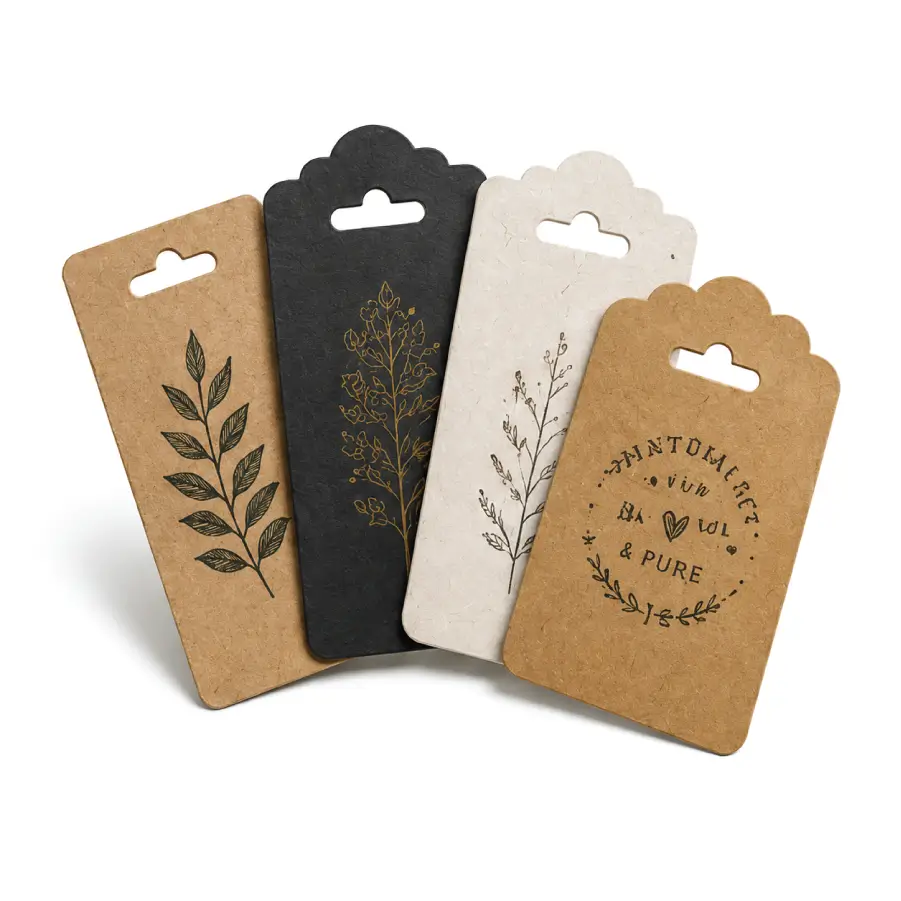
Kraft materials are selected according to the desired appearance, printing needs, and packaging requirements. Different kraft paper options are offered for header card applications, with each type featuring different surface appearance and structural characteristics.
2. Cardboard Material for Header Cards
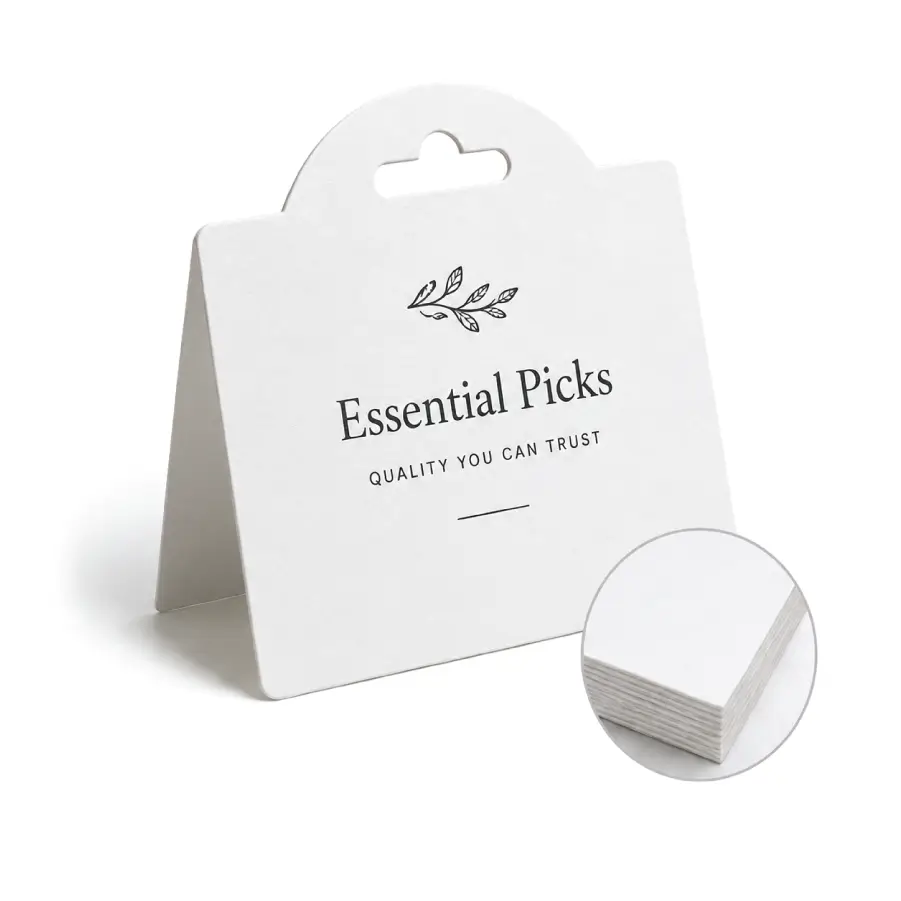
The cardboard material is used for header cards where stronger thickness and a stable structure are required. A smooth surface is available for different printing styles and finishing options. Protection of the product during retail handling is maintained through a stronger card structure. The material thickness is suitable for retail displays where better support and organized presentation are required. Clear graphics, logo, and details are presented effectively through the smooth cardboard surface. Among the best materials for header card printing, cardboard is considered suitable for applications where durability, print clarity, and professional presentation are important.
3. Recycled Paperboard for Header Card Printing
Recycled paperboard is selected for header cards where environmentally responsible packaging requirements are preferred. A balanced structure, printable surface, and suitable thickness are associated with this material option. The use of recycled paperboard is considered for businesses focusing on sustainable packaging choices. The presentation of the product is maintained through proper printing techniques and suitable finishing selections. For best materials for header card printing, recycled paperboard is evaluated according to strength, sustainability requirements, and retail display conditions.
4. Hard Paper for Durable Header Cards
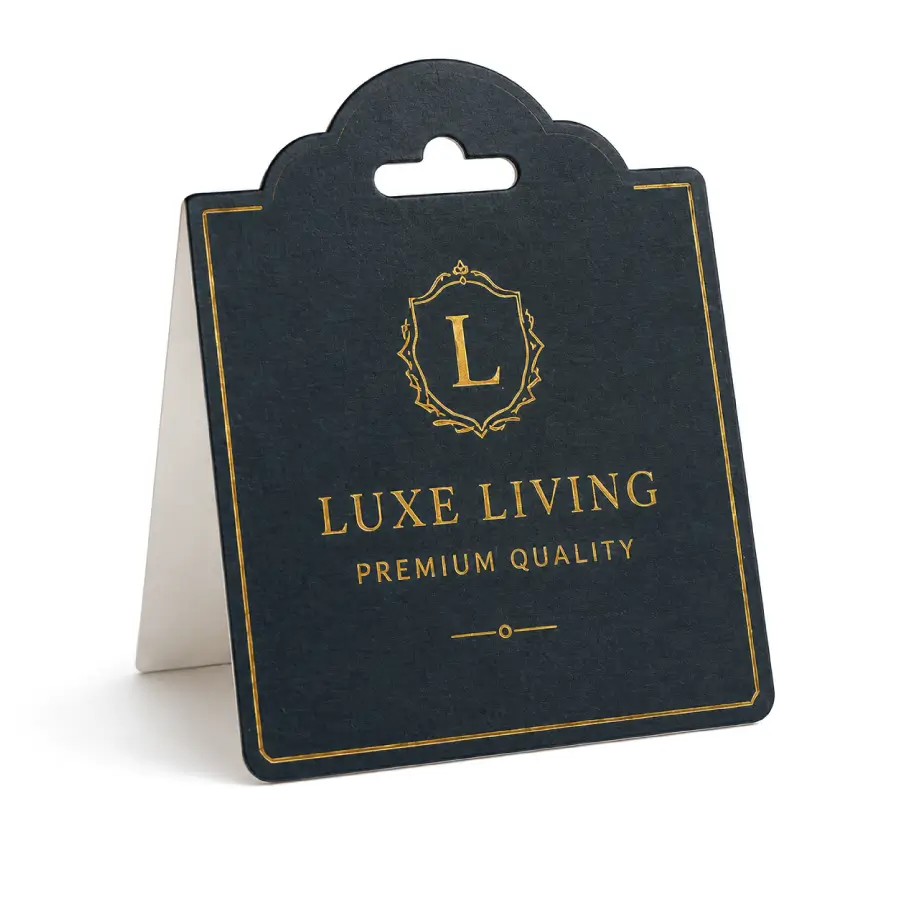
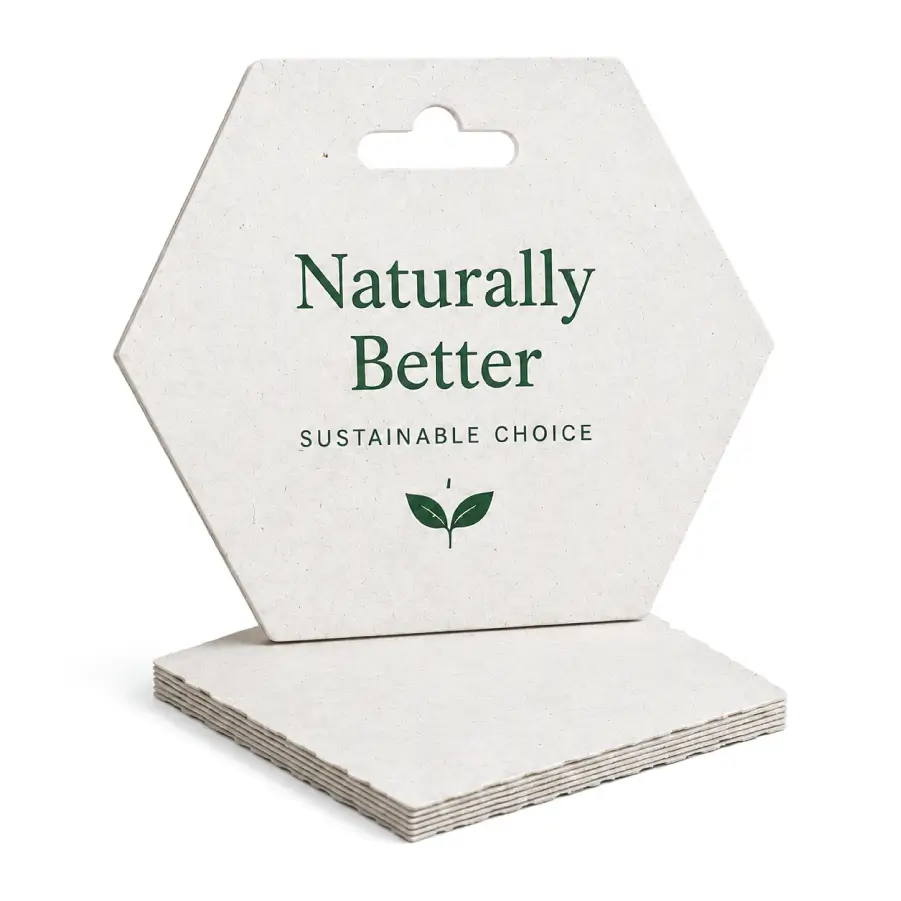
Hard paper is used when additional thickness and durability are required for header card applications. A firm structure is maintained through higher paper strength and quality. The visibility of the product is improved through a stable retail display format. This material is suitable where long-lasting header cards are required for repeated handling and shelf placement. A premium appearance is achieved through the thicker surface and stronger construction of the card. Continue reading to learn about printing methods.
Before choosing the right header card option, it is important to understand What Are Custom Header Cards and how different materials and printing methods are considered for packaging requirements. Explore the details to find the most suitable choices for your product needs.
Best Printing Methods For Header Cards
Printing methods are selected according to material surface, design requirements, and final appearance. Digital printing, offset printing, screen printing, and foil stamping are commonly considered for header card production. The presentation of the product is improved through a suitable printing technique. Similar printing techniques are also selected when businesses Print Custom Bag Toppers, where design quality, branding consistency, and clear product presentation are equally important. Continue reading to understand the suitability of each printing method.
1. Offset Printing for Cardboard Header Cards
Offset printing is selected for cardboard header cards or other best materials for header card printing where detailed graphics, sharp text, and accurate colour reproduction are required. A smooth cardboard surface is suitable for high-quality printing, allowing complex designs and fine details to be presented clearly. Professional printed details are maintained through controlled printing processes, where colour accuracy and image quality are important factors. Cardboard is considered among the best materials for header card printing when clear artwork, detailed information, and premium retail presentation are required.
2. Digital Printing on Recycled Paperboard
Digital printing is used on recycled paperboard or other best materials for header card printing when short production runs, personalized designs, and flexible artwork changes are required. This printing method is suitable where different designs are prepared for specific product collections or promotional campaigns.
Customized header card designs are prepared according to the requirements of the brand, with design adjustments managed through digital printing technology. Recycled paperboard is considered one of the best materials for header card printing when sustainability preferences and design flexibility are important factors. Digital printing is also commonly selected for seasonal packaging, including Christmas Cookie Bag Toppers, where customized artwork and festive designs are prepared for limited-time product collections.
3. Foil Stamping on Hard Paper Cards
Foil stamping is applied to hard paper cards or other best materials for header card printing where metallic effects, decorative details, and premium visual elements are required. Gold, silver, and other foil finishes are commonly selected to create a distinctive appearance for retail packaging.
The reputation of the brand is represented through refined packaging details and attractive visual features. Hard paper cards are included among the best materials for header card printing where premium finishes and decorative presentation are required.
Printing Techniques Not Suitable For Kraft
Some printing techniques are less suitable for kraft surfaces or other best materials for header card printing, because of natural colour absorption, rough texture, and material characteristics. The final printing quality is influenced by the surface condition and the selected ink type. Printing methods are selected carefully according to material requirements and desired design results. The selection of suitable printing methods is an important part of choosing the best materials for header card printing, as material type and printing process directly affect the final appearance of header card packaging.
Explore Header Cards to discover customized options, suitable materials, and printing choices for different requirements of packaging.
Header Card Material Comparison
The best materials for header card printing are compared according to durability, appearance, printing suitability, and overall packaging requirements. Different material options, including kraft paper, cardboard, recycled paperboard, and hard paper, are evaluated to identify the most suitable choice for different header card applications.
| Material | Appearance | Printing Suitability | Durability | Best Use |
| Kraft Paper | Natural texture and earthy appearance are associated with this material. | Simple designs, dark colours, and basic artwork are suitable for this surface. | Moderate strength is maintained for lightweight products. | Eco-friendly packaging styles and natural product presentation. |
| Cardboard Material | A smooth and clean surface appearance is available for professional designs. | Detailed graphics, accurate colours, and high-quality printing are suitable for this material. | Strong structure is maintained for retail handling. | Premium header cards and detailed product displays. |
| Recycled Paperboard | A sustainable and natural appearance is presented through recycled fibres. | Digital printing and simple artwork are suitable for this surface. | Good strength is maintained with environmentally responsible material selection. | Sustainable packaging requirements and eco-focused brands. |
| Hard Paper | A firm and premium appearance is achieved through thicker paper production. | Foil stamping, decorative finishes, and detailed printing are suitable. | Higher thickness and stability are maintained for durable applications. | Premium header cards requiring stronger structure. |
“Packaging can be theater, it can create a story.” — Steve Jobs
Looking for reliable packaging solutions? Visit Universal Packaging to explore customized options and contact us now for more details.
Conclusion
We have covered all important details about the best materials for header card printing, including different header card materials, printing methods, and comparison factors. Kraft paper, cardboard, recycled paperboard, and hard paper options were discussed according to durability, printing suitability, and packaging requirements. The role of offset printing, digital printing, and foil stamping was also explained for better material selection. A suitable header card option is selected through proper understanding of design needs, presentation of the product, and retail requirements.
Frequently Asked Questions (FAQs)
What Are Custom Header Cards used for?
What Are Custom Header Cards are printed cards attached to small packages for information, branding details, and retail display purposes. These cards are commonly used for items such as accessories, candies, stationery, and small consumer products.
Which material is best for header card printing?
The best material is selected according to packaging requirements, printing needs, and desired appearance. Kraft paper, cardboard, recycled paperboard, and hard paper are commonly used materials for header card applications. Among the best materials for header card printing, the suitable option is determined through durability requirements, printing quality, and presentation preferences.
Are kraft paper header cards suitable for printing?
Yes, kraft paper header cards are suitable for specific printing methods such as screen printing and selected digital printing options. The final result depends on ink selection, surface texture, and design requirements. Kraft paper is considered among the best materials for header card printing where natural appearance and simple graphic styles are preferred.
What printing method is best for cardboard header cards?
Offset printing is commonly selected for cardboard header cards where detailed graphics, accurate colours, and high-quality printing results are required.
Can header cards be customized with different designs?
Yes, customized header cards are prepared according to the requirements of the brand, including specific colours, logo, artwork, details, and finishing options.
Which header card material is more durable?
Hard paper and cardboard materials are considered suitable where stronger thickness and stable structure are required. Better durability is maintained through proper material selection.
Are recycled paperboard header cards environmentally friendly?
Recycled paperboard is selected for packaging projects where sustainable material choices are required. Moreover, responsible packaging goals are supported through recycled material usage.
Which printing method is suitable for personalized header cards?
Digital printing is suitable for personalized header cards where different designs, short production runs, and customized artwork are required.
Where to buy custom header cards?
Custom header cards are purchased from packaging manufacturers that provide printing, material selection, and customization services. Universal Packaging is a trusted packaging provider where customized header card solutions are available according to business requirements.
How are header cards customized for different products?
Header cards are customized through the selection of material, size, colour, printing style, finishing options, and design elements according to the requirements of the product and brand. The selection of suitable options is completed based on the best materials for header card printing, presentation needs, and retail display requirements.