Has it ever been wondered why some small products instantly look more trustworthy on a store shelf than others? Often, this trust is created by one small design detail rather than an expensive packaging format. This detail is rarely noticed at first glance by custom header cards, yet its impact is felt at the point of purchase. Scroll down to explore this detail: What Are Custom Header Cards and the reason why it is considered so valuable.
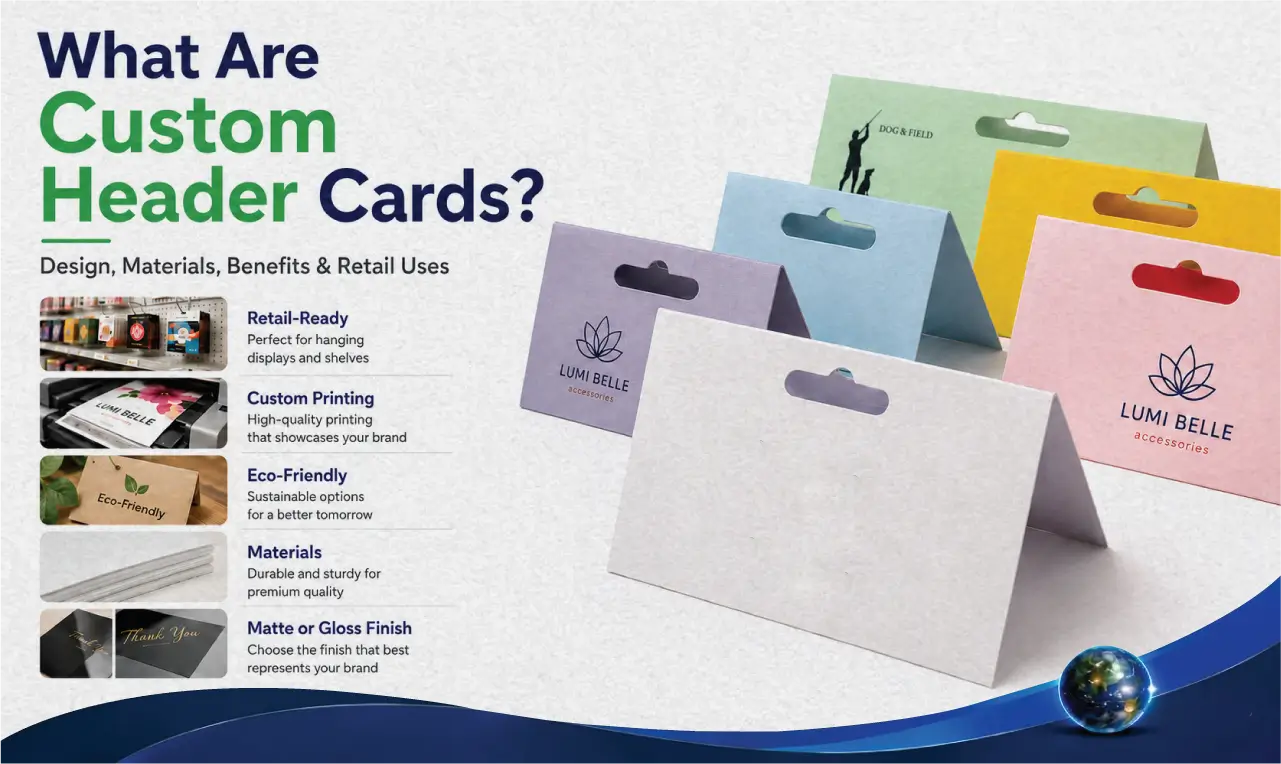
Custom Header Cards: A Quick Overview
Small and lightweight products such as candies, hair accessories, or stickers are often difficult to sell in a competitive market. On a crowded shelf, a plain bag is easily overlooked, no matter how good the product inside might be. Plain plastic bags are seen as inexpensive, and the product is rarely established through such basic packaging. As a result, trust is not easily built with the customer at first glance, and a sale is often lost before the product is even picked up. This challenge is addressed through:
What are Custom Header Cards?
A small paperboard card but effective solution through which a plain bag is turned into something that looks premium and retail-ready, all within a modest additional cost.
For products packed in clear bags, similar packaging applications are also achieved through Custom Bag Toppers, where additional branding space and a professional retail presentation are required. These are made from cardboard or paperboard materials. Get these Custom Header Cards and discover how the right card design is used for professional retail packaging presentation.
Step-By-Step Guide: How To Design?
The design process of what are custom header cards includes size measurement, hanging hole selection, and colour planning for professional packaging.
Step 1:
Measure the Bag Size: First, the size of the poly bag is measured, and the card width is kept equal to the bag width so that a neat fit is achieved. In some cases, kraft paper bags are used instead of plastic, and the same measurement principle is applied.
Step 2:
Choose the Hanging Hole Design: Next, a hanging hole style is selected either a round peg hole or a Euro/Sombrero slot based on retail requirements. This choice ensures that easy hanging is achieved on different types of store racks.
Step 3:
Select Design and Colours: Colours and design elements are then selected in line with the reputation of the brand, so that consistency is maintained across the entire product line. At this stage, promotional packaging elements, such as seasonal graphics or limited-edition artwork, are sometimes incorporated as well.
Step 4:
Select the Right Paper Stock: Finally, an appropriate cardstock weight, such as 14pt or 16pt, is selected, through which durability and quality of the product are ensured.
These features are what separate what are custom header cards from a simple printed label, since appearance and functionality are combined into a single, low-cost element. With these core features covered, attention is now turned toward the materials from which these cards are typically produced.
Common Materials Used For Header Card Printing
The material a card is printed on has a direct effect on how it looks, feels, and holds up over time.
- Cardstock is the most common base material, typically chosen in a 14pt or 16pt weight, through which a firm, durable card is produced.
- Kraft paper is selected by many brands as a more natural-looking alternative, particularly when an earthy or artisanal aesthetic is desired.Businesses that prefer a natural packaging style also compare Kraft Hang Tags with kraft header cards, since both are commonly selected for eco-conscious branding.
- A gloss finish is applied when bright, vibrant colours are the goal, giving the surface a reflective, polished appearance.
- A matte finish is chosen instead when a soft, non-reflective, premium texture is preferred.
The right material choice is closely connected with the overall appearance and quality of the header card. As you know that what are custom header cards. Now, let’s know the Best Materials For Header Card Printing are discussed to understand how each option is suitable for professional packaging presentation.
Design & Customization Options
At this stage, the confusion on the question what are custom header cards is almost remove as the appearance and structure of the card are fully shaped.
- Custom printing is used to bring artwork, logos, and colours to life on every card that is produced.
- CMYK printing is applied as the standard method, through which colours are suit accurately and consistently across large print runs.
- Foil stamping is added for a metallic, reflective accent, often reserved for premium or luxury product lines.
- Embossing is used to create a raised, tactile element, through which a card is given texture as well as visual interest.
- Spot UV is applied over specific design elements, so that a glossy contrast is created against a matte background.
- A die-cut shape is produced when a custom silhouette, rather than a standard rectangle, is required for the card.
- A window cut is added when a portion of the product inside is meant to remain visible through the packaging.
Once these design choices are finalized, a proof or digital mock-up is typically shared before full production begins, so that any adjustments are made early rather than after printing. With the design process explained, the practical benefits of choosing this format are considered next.
“My motto is strong packaging, clear addressing.” — Halldór Laxness
Benefits Of Custom Header Cards
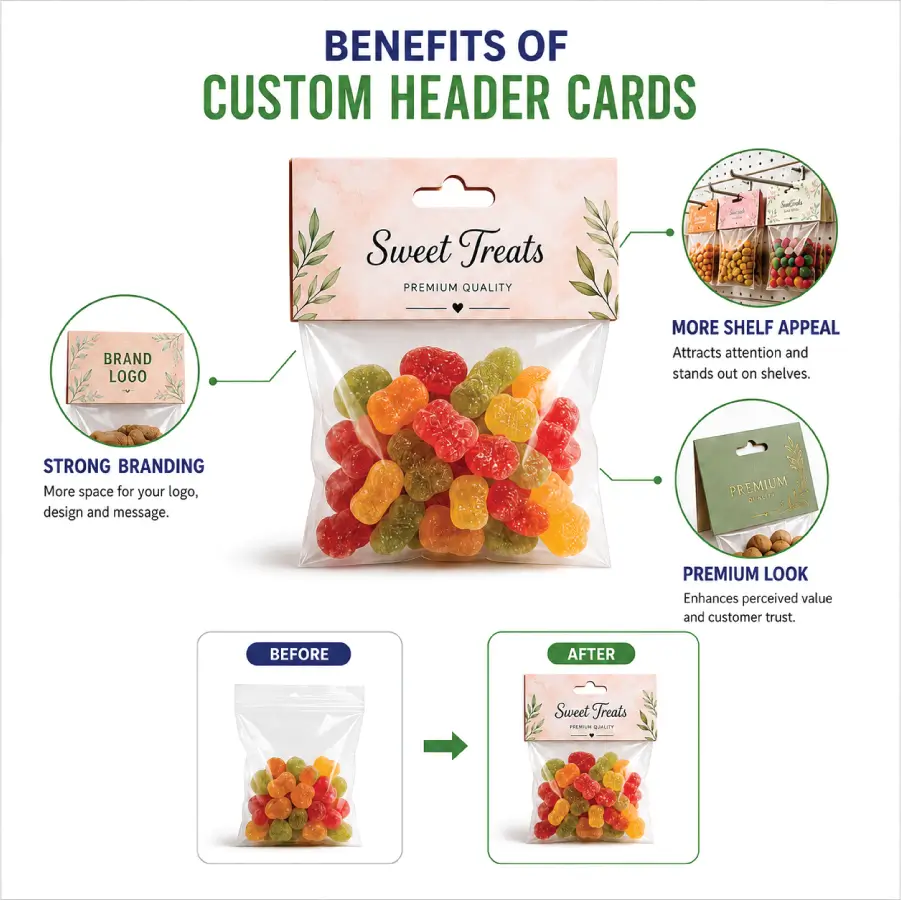
The reasons behind what are custom header cards and why they are considered valuable are summarized below:
Cost-Effective Packaging Presentation
A professional appearance is achieved for retail packaging at a low cost, making premium-looking packaging possible within a limited budget. Additionally, for your confusion on the question what are custom header cards, it is easy to understand that this packaging format is suitable for small businesses where a polished presentation of the product is required without increasing overall packaging expenses. A balanced combination of affordability and visual appeal is maintained through the use of a printed card attachment.
Branding Space on Retail Display
Sufficient space is required on the card for logo, instructions, and design elements, through which the reputation of the brand is clearly communicated to customers. Important product details, brand messaging, and visual elements are displayed in an organized manner. Additionally, for your confusion on the question what are custom header cards, a stronger connection between customers and the presentation of the brand is established through clear and attractive printed information.
Retail-Ready Product Display
Products are prepared for easy shelf hanging, which is commonly required by many retail locations before placement on the sales floor. An organized display of products is maintained through a practical hanging format for retail environments. Better visibility of the product is achieved when multiple items are placed together and customer attention is required.
Beyond these core advantages, a longer-term impact is also created. With these advantages understood, attention is now turned toward the industries in which what are custom header cards are most commonly used.
“Packaging can be theater, it can create a story.” — Steve Jobs
Industries That Use Header Cards
What are custom header cards used for in practice is best answered through real industry examples, and these cards are used across a wide range of retail stores and product categories.
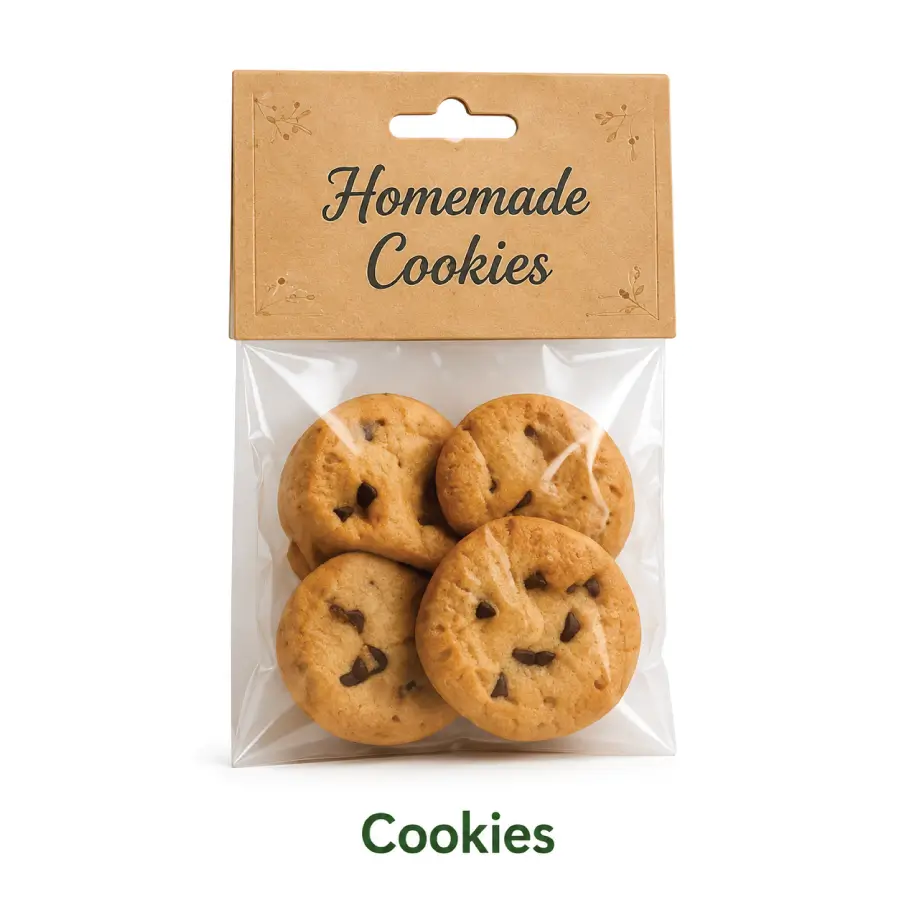
- Food packaging benefits from header cards on items such as candies and spices, where clear labelling and easy identification are equally important. For baked goods and confectionery products, Cookie Bag Toppers are frequently chosen to present cookies in clear bags while providing space for branding.
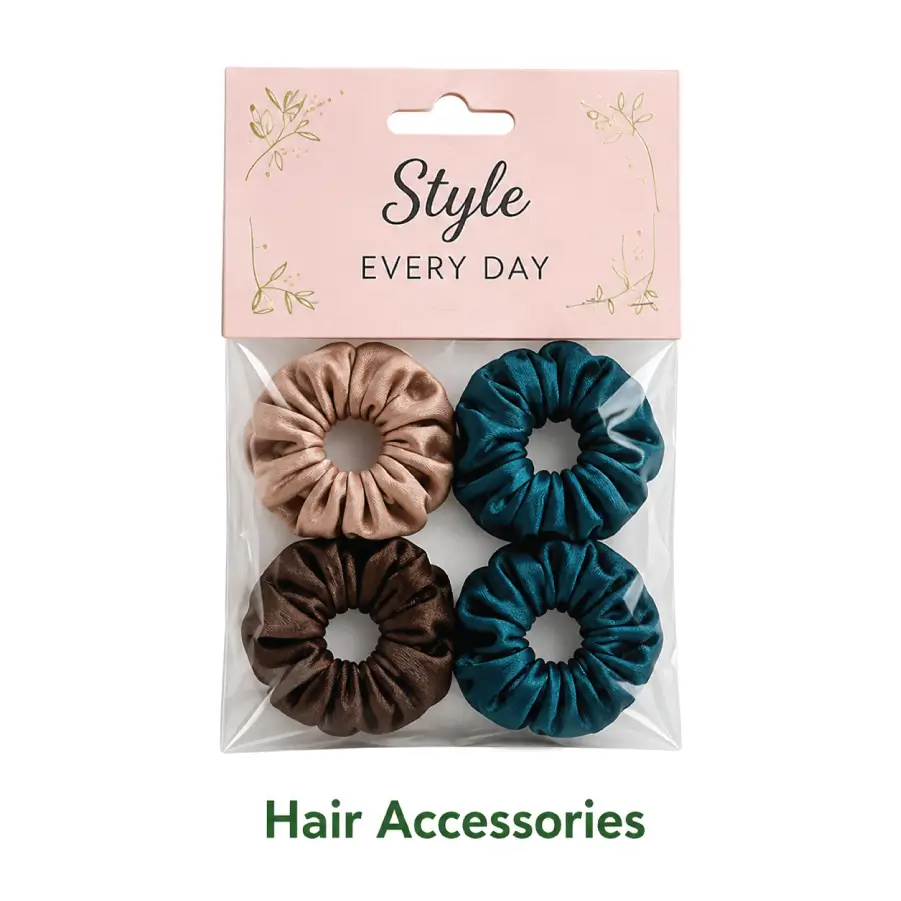
- Cosmetics packaging often includes header cards for items like hair accessories and small beauty products, where presentation of the product plays a central role.
- Gift packaging also incorporates header cards, particularly for small, or bagged items intended for seasonal or promotional gifting.
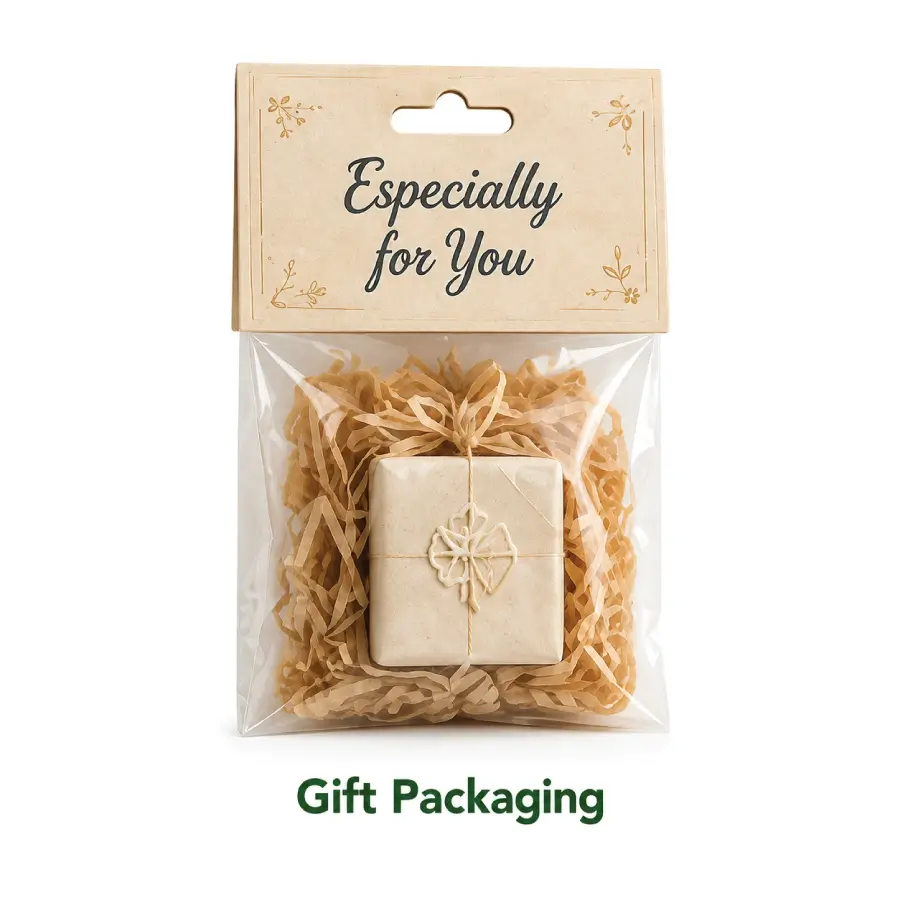
Across nearly all of these categories, one common thread is noticed: what are custom header cards are used as a small, low-cost printed element that solves a problem that would otherwise require a far more expensive packaging redesign. Alongside these applications, sustainability has become an increasingly important consideration in packaging decisions.
Sustainability Considerations
As environmental awareness grows, what are custom header cards are increasingly designed with sustainability in mind.
- Recyclable packaging is preferred by many brands, as cards made from recyclable materials are easier to dispose of responsibly.
- Eco-friendly materials, including plant-based inks and recycled fibres, are selected to reduce the overall environmental footprint of the card.
- FSC-certified paper is chosen by brands seeking assurance that materials are sourced from responsibly managed forests.
- Sustainable printing methods, such as low-waste production and water-based inks, are adopted to minimize environmental impact during manufacturing.
Through these choices, environmental responsibility is demonstrated, and needs of the brand are aligned with consumer expectations around sustainability. With sustainability addressed, a summary of everything covered is presented next.
Explore affordable options from trusted Cheap Custom Packaging Companies and find the right packaging solution for your business. Contact us now for a personalized quote.
Conclusion
Throughout this article, the question of what are custom header cards has been examined from multiple angles: key features, materials, customization options, benefits, industry applications, and sustainability considerations. For small and lightweight products, these cards are regarded as an affordable solution through which the packaging of the product is transformed into something retail-ready and premium. With the right finish, hanging style, and branding elements selected, visibility of the product and reputation of the brand are both strengthened on the shelf, ultimately supporting stronger recognition of the brand across competitive retail environments.
Frequently Asked Questions (FAQs)
what are custom header cards?
What are custom header cards is answered simply: they are small printed cards attached to poly bags, through which packaging is transformed into a professional, hang-ready format.
How many customization is offered for these cards?
Extensive customization is offered, including custom printing, finish selection, structural cuts, and layout choices, through which the reputation of the brand is reflected accurately on every card that leaves the production line.
What size are custom header cards typically made in?
For what are custom header cards, card size is generally matched to the width of the poly bag, so that a neat, professional fit is achieved.
What is the difference between a peg hole and a Euro slot?
In most examples of what are custom header cards, a peg hole is round and used on pegboards, while a Euro slot, also called a Sombrero slot, is flat and suited to hook-style displays.
What paper stock is commonly used for these cards?
A cardstock weight of 14pt or 16pt is typically selected, through which durability and a premium feel are both achieved.
Is foil stamping necessary for every brand?
Across what are custom header cards, foil stamping is not required for every brand; it is generally reserved for products where requirements of the brand include a luxury or premium presentation.
Which industries use custom header cards most often?
For what are custom header cards, food, cosmetics, cannabis, pet, and gift packaging industries are among the most common users of these cards.
Are a barcode and QR code both included on one card?
Yes, A barcode and a QR code are often included together, allowing both traditional scanning and digital engagement to be supported.
Where are custom header cards ordered from?
The ost trusted supplier for these custom header card involves Universal Packaging that is recognized as a reliable source, where personalized, high-quality options are made available to businesses of all sizes.