What makes a sauce packet look fresh, travel safely, and feel ready for every customer’s choices? In this Sauce Shelf-Life Packaging Guide, you’ll see how material, size, sealing style, printing, and finishing work together to enhance the shelf life of the sauce and raise presentation as well. From custom sauce packets to single-use condiment sachets, every packaging results in preserving freshness and improving the presentation of the product. Now, let’s dive into the packaging guide that is considered premium for your sauces to stay fresh for a long time.
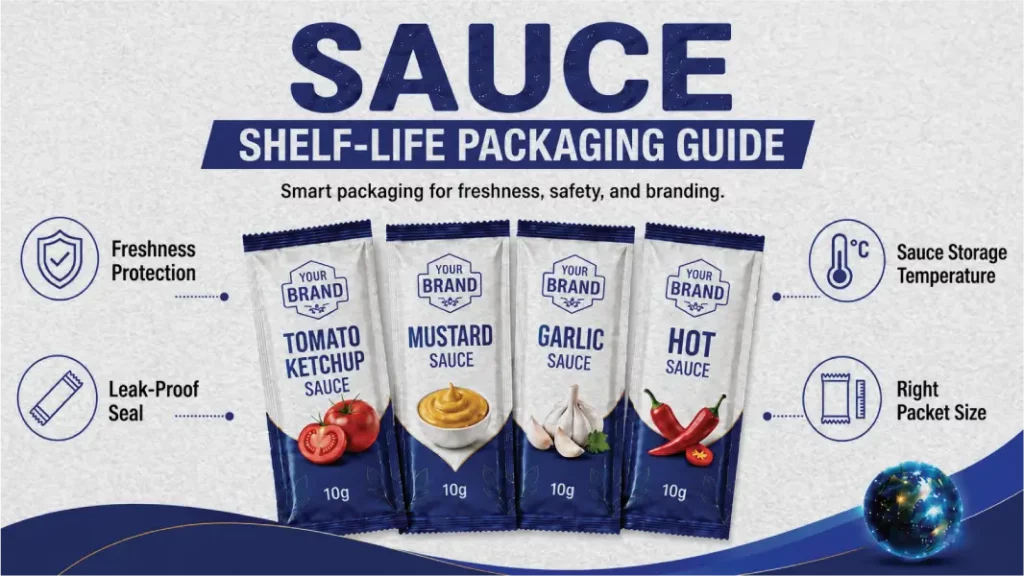
Ultimate Sauce Shelf-Life Packaging Guide
The ultimate sauce shelf-life packaging guide is written for retail sellers, food companies, sauce sellers, startups, and condiment businesses that need to enhance the shelf life of the custom sauce packets for single-use products. This guide stays close to material choices, sizes, printing, finishing, closure options, bulk order planning, and shipping of the hot sauce packets. This ultimate sauce shelf-life packaging guide also explains how packet style, material choice, and sealing format connect with freshness and presentation.
1. Know Custom Sauce Packets First
Custom sauce packets are small, single-use/ multi-use packaging for ketchup, mustard, hot sauce, cheese dips, garlic sauce, mayonnaise, vinegar-based sauces, and other condiments. The ultimate sauce shelf-life packaging guide starts with packet understanding because businesses must first decide how the packet will be used by restaurants, takeaway counters, catering teams, and retail sellers. A small packet suits samples and single servings, while a larger packet suits family-size portions, refill use, or bulk sauce distribution.
2. Choose Food-Safe Packet Materials
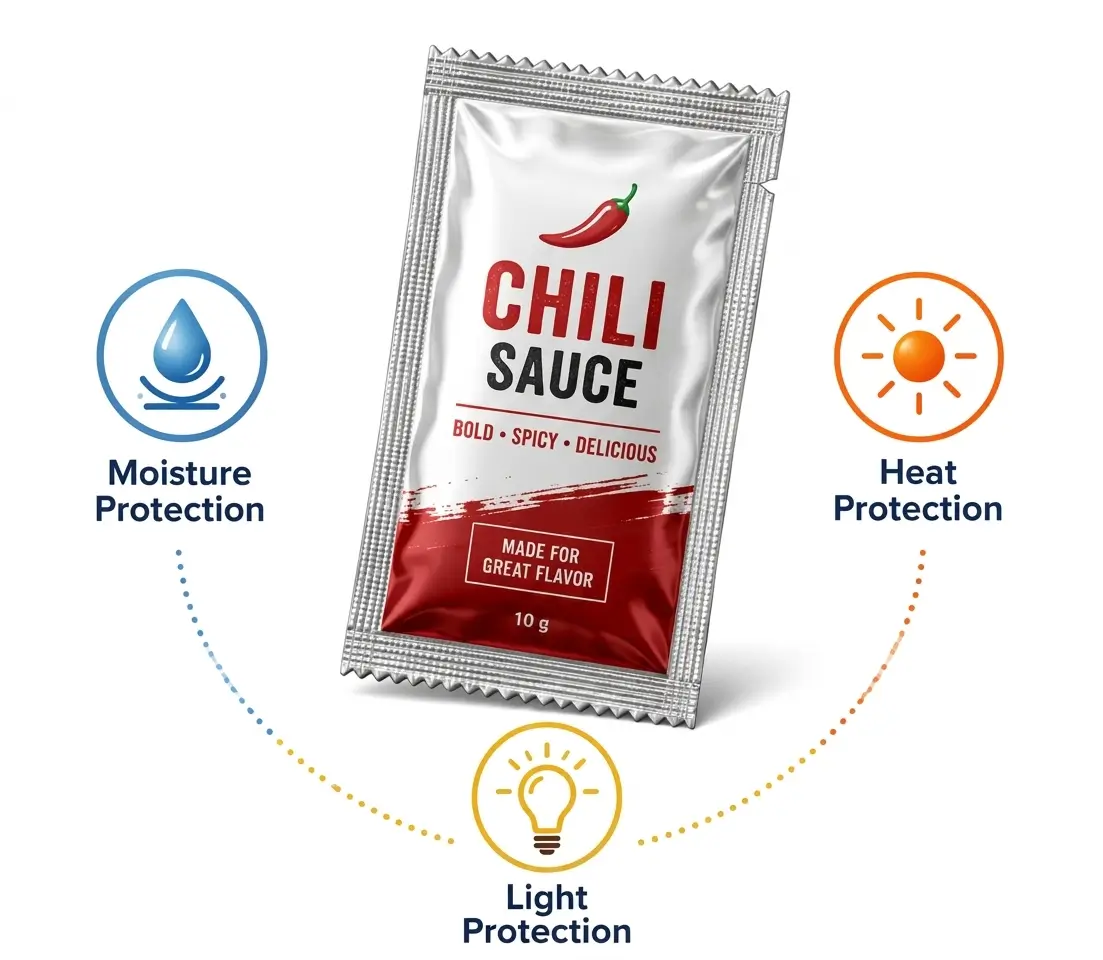
This sauce shelf-life packaging guide covers food-safe material selection because packet stock matters for sauce freshness and shelf-life planning. Each material has a different look, barrier level, and usage fit, so restaurant owners and Custom Food Pouch Packaging companies should match the sauce format with the right stock before printing or finishing decisions. Aluminum and foil barrier styles are well-suited for sauces that need better protection from moisture, heat, and light, while PET and Clear PET suit clean and printed packet formats. In related packaging searches, food-grade packaging and jars may appear, but this guide stays focused on packet materials.
3. Select the Right Size of the Packet
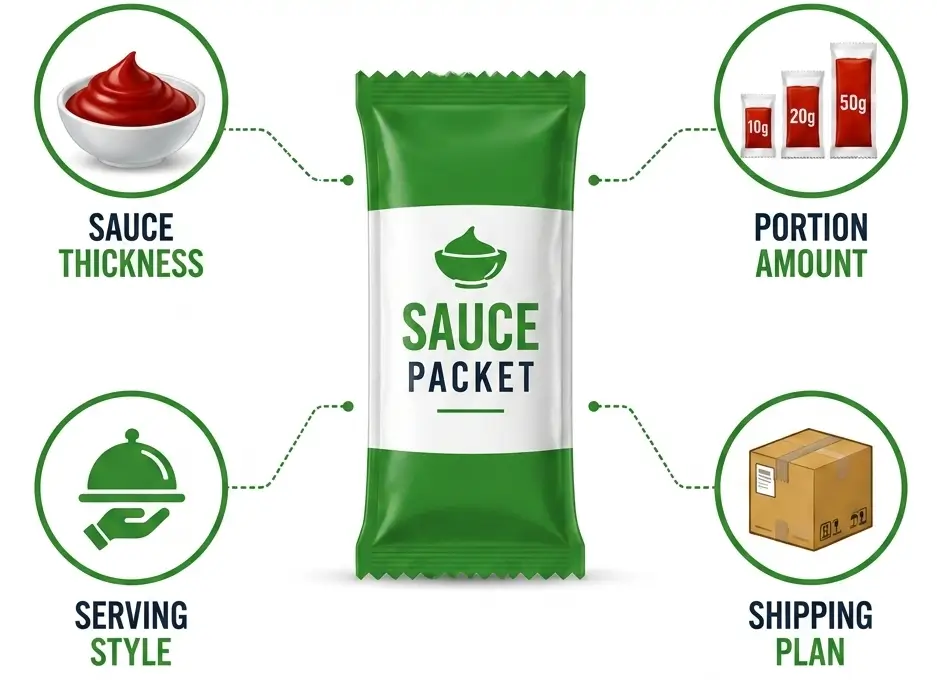
The ultimate sauce shelf-life packaging guide includes packet-size planning after material selection because sauce packets come in many dimensions for different serving needs. Smaller Custom Shaped Mylar Bags used for samples, takeout condiments, and controlled portions, while medium and large packets are suitable for dips, sauces, and family-size servings. Size selection should follow the thickness of the sauce, portion amount, serving style, and shipping plan. For serving control, portion-control packs, single-serve packets, and sachets can match small sauce quantities. To make the selection easier, check this Sauce Packet Size Guide before selecting dimensions, so your sauce order matches the right serving size, portion needed, and packaging style.
4. Pick Durable Sauce Packet Stockket Stock
Durable stock selection has been for printed sauce packets because sauce businesses often ship packets in cartons, containers, or Custom Mylar Bags Wholesale batches. The ultimate sauce shelf-life packaging guide these stock choices with sauce packet use, especially for hot sauce packets, condiment packets, sachets, and single-serve packaging. Stock choice should also match printing method, finish style, closure type, and order quantity. Some buyers may also compare flexible pouches, stand-up pouches, and laminated film while selecting sauce packet stock. For a clean start, share your packet size, sauce type, artwork, and quantity with the Universal Packaging team, and get the sample today!
6. Add Custom Printing and Colors
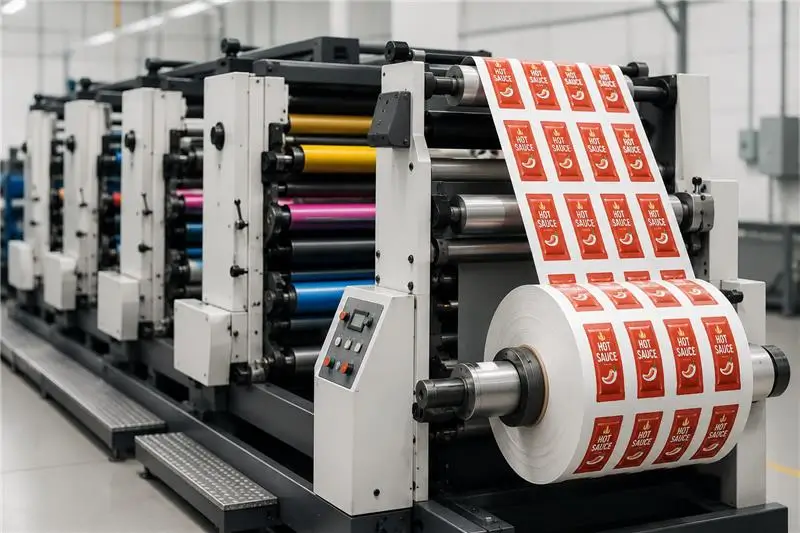
The ultimate sauce shelf-life packaging guide also includes printing choices because custom sauce packets are often customized with logos, artwork, color themes, flavor names, and details of the products. Printing should match the packet stock, sauce category, and order quantity. Digital or plain printing, flexographic printing, rotogravure printing, cold foil printing, PMS and CMYK color schemes, offset lithography, and spot colors.
“Packaging can be theater; it can create a story.” — Steve Jobs
The ultimate sauce shelf-life packaging guide uses these printing choices only from the main page, so the blog stays focused on custom sauce packet packaging. A light barrier, shrink sleeves, and metallized film may also appear in wider printed packaging searches. Request printed custom sauce packets today with logo, artwork, colors, and flavor details.
6. Choose Premium Packet Finishing
Finishing can change the look and texture of custom sauce packets, especially when restaurant owners and food companies want a more premium style for these condiment packaging. The ultimate sauce shelf-life packaging guide covers finishing choices, including gloss lamination, matte lamination, gloss AQ, gloss UV, matte UV, Spot UV, embossing, debossing, and foil stamping in gold, silver, copper, red, and blue. A gloss finish can suit bright sauce designs, while matte finishing can suit a cleaner and softer presentation. Related material terms such as multi-layer film, Evoh layer, and Retort Food Packaging can appear in advanced sauce packaging discussions.
7. Use Heat-Sealable And Featured Packet Options
Heat sealable options are a key part of the ultimate sauce shelf-life packaging guide because sauce packets need sealed edges for safe filling, transit, and storage. Heat sealing is listed with some features, including: resealable closure, zipper lock, PVC window design, and round or square corner choices.
-
Resealable closure: Can suit larger sauce portions.
-
Spout: Can suit repeat-use packet styles.
-
Heat-sealable edges: Can suit single-use sauce sachets.
-
Round corners: Can create a softer packet shape.
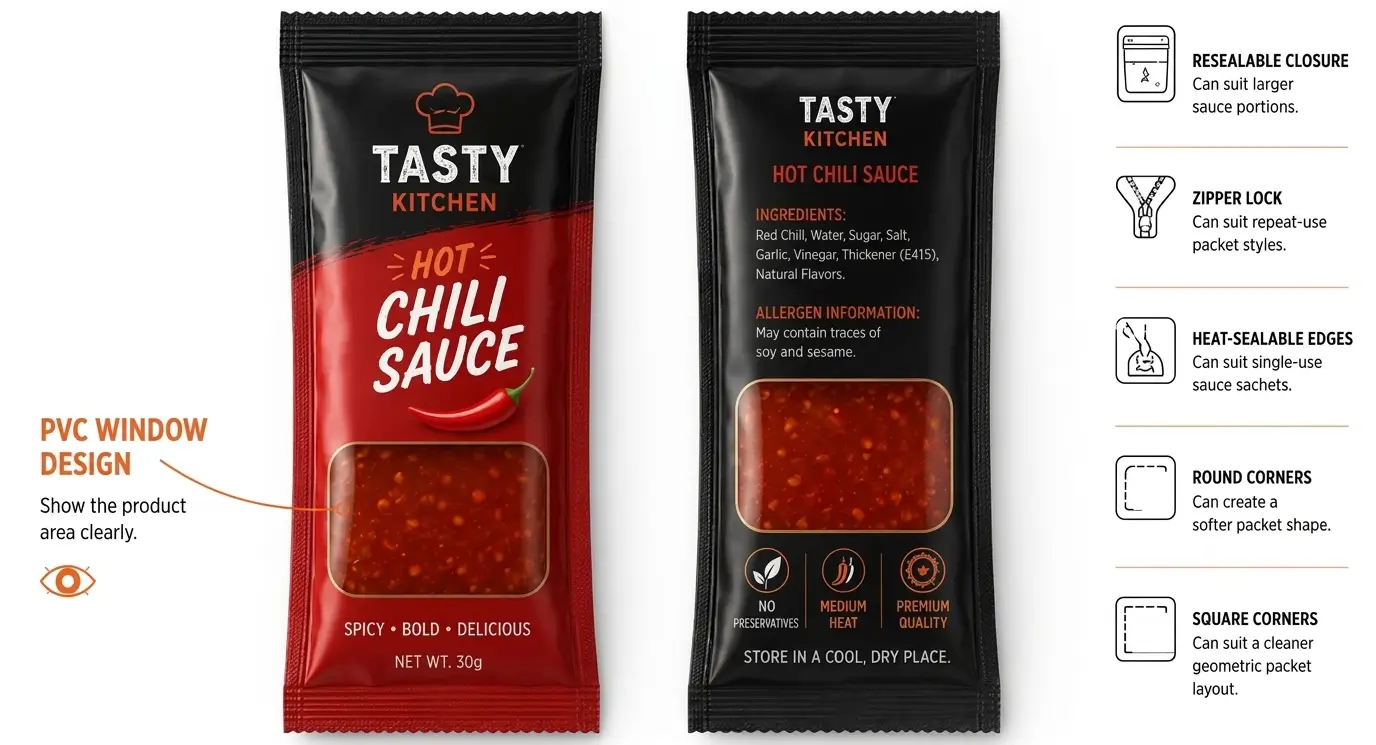
For single-use sauce packets, heat-sealed formats are common because they suit ketchup, mustard, hot sauce, cheese dips, and other condiments. Leakage risk is lower with a properly sealed sachet, while a tear notch or spout style can improve opening and dispensing. For freshness planning, barrier packaging, an oxygen barrier, and a moisture barrier can suit sauces during storage, making them more aligned with proper shelf stability and quality control. This approach also fits well within the sauce shelf-life packaging guide, ensuring better protection during distribution and storage. Get heat-sealable custom sauce packets today for single-use condiment packaging.
8. Check Sauce Quality Before Selling
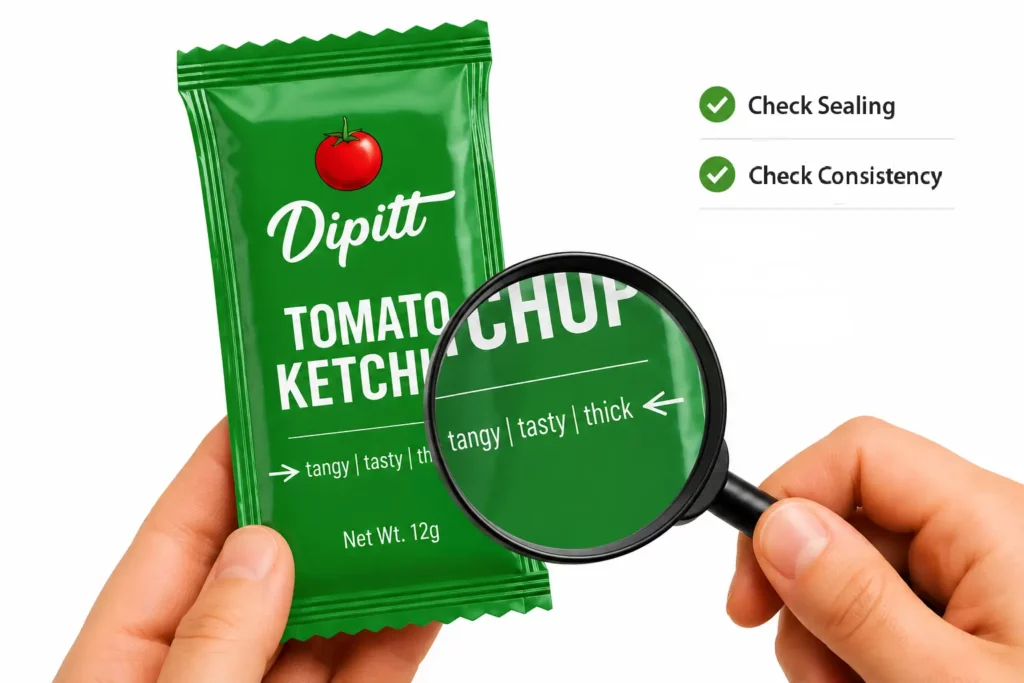
Before selling or distributing custom sauce packets, businesses should review seal condition, packet surface, print clarity, finish quality, and size accuracy. Packets with foil seal, tamper-evident seal, and suitable liner materials are more suitable to build confidence for sauce sellers working with takeout, food service, or retail customers. Any packet with leakage, weak sealing, or unclear printing should be removed from the sale batch. Proper checking also results in better performance in line with the sauce shelf-life packaging guide, helping ensure product freshness and stability during storage and distribution. Get custom sauce packets today with stock, finish, and closure choices that match your product.
Store Sauce At the Right Temperature
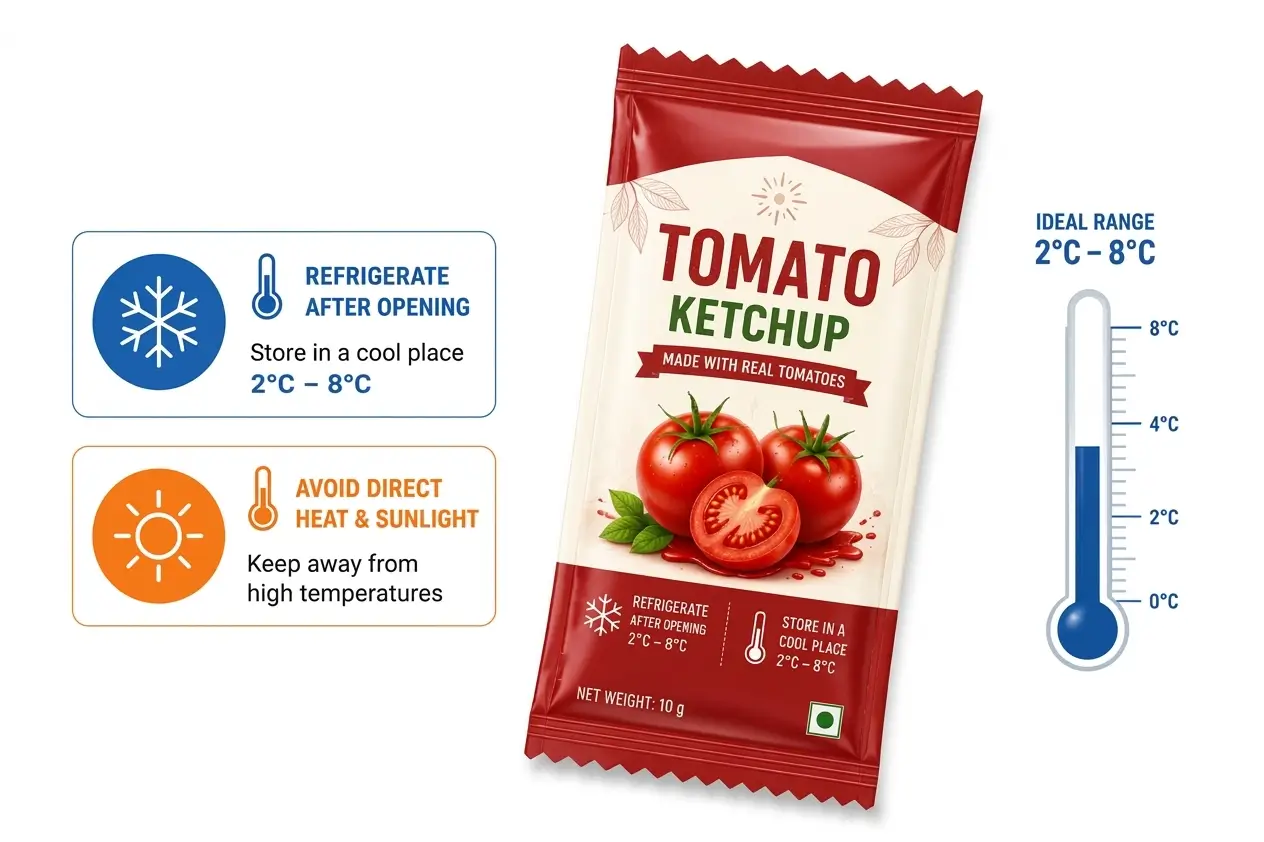
Packets should be stored according to the sauce type, packet stock, and business use. For custom sauce packets, temperature planning matters during storage, display, and delivery because heat can affect the sauce inside the packet. Custom Product Pouches For Food businesses using sauce packaging for raising shelf life of the sauce by using sauce packaging so it is important to store them at the right temperature.
Add Clear Sauce Label Information
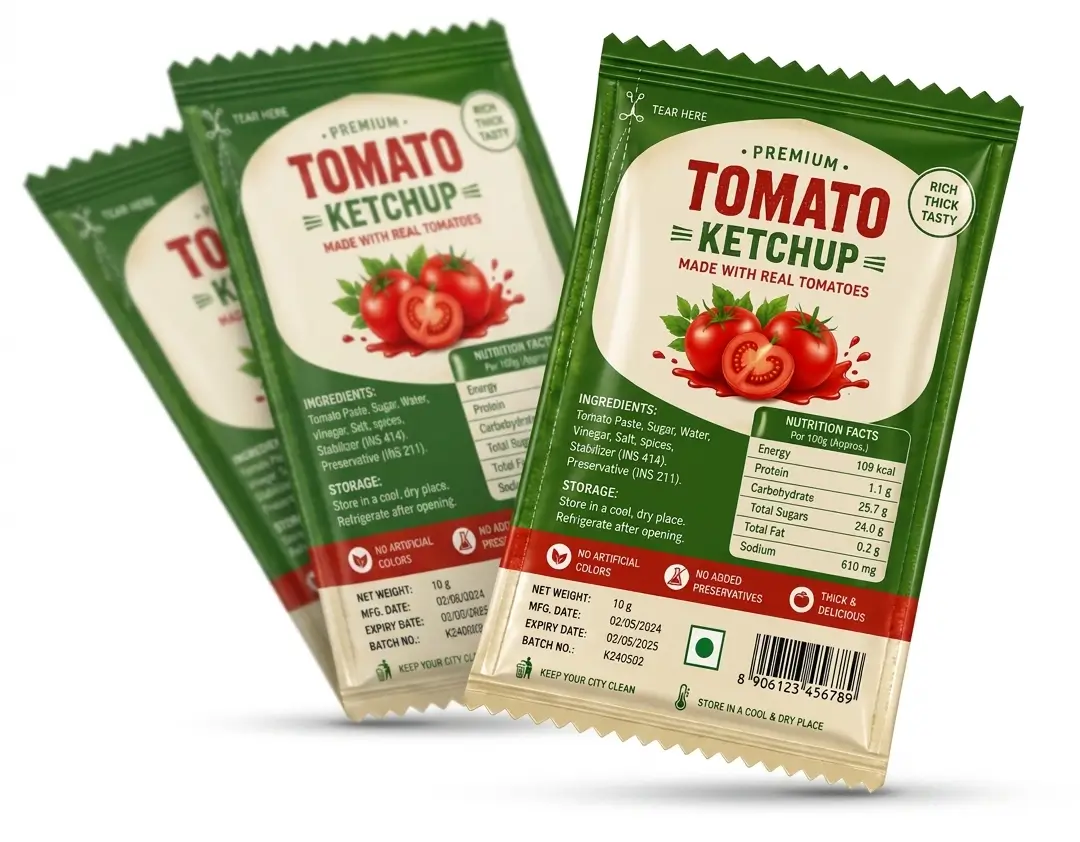
Clear label details can guide buyers, restaurants, and customers about sauce flavor, serving style, quantity, and storage direction. Printed custom sauce packets can include logo artwork, flavor name, ingredients, date details, and handling notes when needed. Get custom printed Sauce Packets with clear label information, neat design space, and portion-friendly packaging options. During label and closure planning, liner materials, tamper-evident seals, and polypropylene caps may also appear in related packaging searches. Order printed sauce packets today with clear label details and custom artwork, following best practices from the sauce shelf-life packaging guide for better product clarity and storage awareness
“My motto is strong packaging, clear addressing.” — Halldór Laxness
Test Sauce Shelf-Life Properly
Sauce shelf-life packaging guide checking should focus on packet sealing, stock choice, leakage resistance, and sauce freshness during storage. Custom packets with barrier packaging, an oxygen barrier, and a moisture barrier can suit sauces that need better protection during retail, takeaway, or Sachet Packaging Wholesale use. Testing should include packet edges, seal quality, printed surface, and sauce condition before large orders move forward.
Maintain The Shelf-Life Of The Sauce For A Long Time
Freshness planning can be raised when businesses choose the right packet material, Closure type, printing method, and finish from the start should follow the sauce shelf-life packaging guide. Options such as flexible pouches, stand-up pouches, and laminated film can be considered for wider sauce packaging needs, while the main page stays focused on custom sauce packets, hot sauce packets, and condiment packets. Order custom sauce packets today from Universal Packaging and start with a free quote.
Get Premium Protection Of The Sauce During Delivery
Delivery planning matters when sauce packets move through cartons, containers, or shipping carriers. For growing brands, Custom Packaging For Small Companies can help to keep the shelf life of the sauce packet organized, protected, and ready for safe dispatch. Larger orders may also need corrugated cartons, secondary packaging, and bulk packaging to support smooth shipment from packing to arrival. Schedule your sauce packet order today and plan delivery before your deadline.
Conclusion
Throughout this sauce shelf-life packaging guide, the main focus is on choosing packaging that protects freshness, supports safe handling, and clearly presents the product. The right stock, size, sealing method, printing, and finishing can make custom sauce packets more important for restaurants, brands of food, and condiment sellers. Before placing a bulk order, review storage needs, delivery plans, label details, and quality checks. With careful packet planning, every sauce serving can reach customers clean, secure, and ready to use, supporting smarter packaging and long-term brand value.
Frequently Asked Questions (FAQs)
Which sauce packet material is best for my product?
The best material depends on your sauce type, storage needs, and presentation style. PET and clear PET are good for clean product display, while aluminum, Mylar, and foil options can support stronger barrier protection within the sauce shelf-life packaging guide approach.
How do I know which packet size is right for my sauce portion?
Choose the size according to sauce thickness, serving amount, and use. Small packets work well for samples and single servings, while medium, large, or family-size packets suit dips, refill use, or bulk sauce distribution.
Will heat-sealed sauce packets be used to prevent leakage during delivery?
Yes, heat-sealed packets can reduce leakage risk when sealing is done properly. They are commonly used for ketchup, mustard, hot sauce, cheese dips, and other single-use condiments, aligning with safe packaging practices in the sauce shelf-life packaging guide.
Which packaging option is better for keeping sauce fresh for longer?
Packets with strong barrier materials, proper sealing, and suitable stock are used to protect sauce from moisture, heat, light, and handling issues. Aluminum foil, Mylar, and other barrier-style materials are useful for freshness planning.
Can I use custom printing for logo, flavor name, and label details?
Yes, custom sauce packets can include logos, artwork, flavor names, colors, details, and label information. Printing options can be selected according to the packet stock, design, and order quantity.
Should I choose multi-use packets or single-use heat-sealed packets?
Single-use heat-sealed packets are better for small condiment servings. Multi-use spouts are more suitable for larger sauce portions or repeat-use packet styles. So, selection depends on your needs!
How can I make sure my sauce packets look professional and safe before selling?
Check seal condition, leakage, print clarity, packet surface, finish quality, size accuracy, and label details. Any packet with weak sealing, unclear printing, or leakage should not be used for selling, as advised in the sauce shelf-life packaging guide.
What storage conditions are best for sauce packets?
Sauce packets should be stored in clean, dry, and suitable areas according to the sauce type and packet stock. Heat and poor storage conditions can affect the sauce inside the packet.
How does packet stock, sealing, and finishing affect the shelf life of the sauce?
Packing results in keeping the sauce secure, sealing keeps the contents secure, and finishing improves presentation. Together, these choices support freshness, safe handling, and a better customer experience.