Mylar Thickness
Looking for the right Mylar Thickness for your packaging in Canada? Get your solution in any specific size and dimension with expert guidance, custom specifications, free design support, and wholesale pricing with every order. Order now with a discount of 15% OFF today!
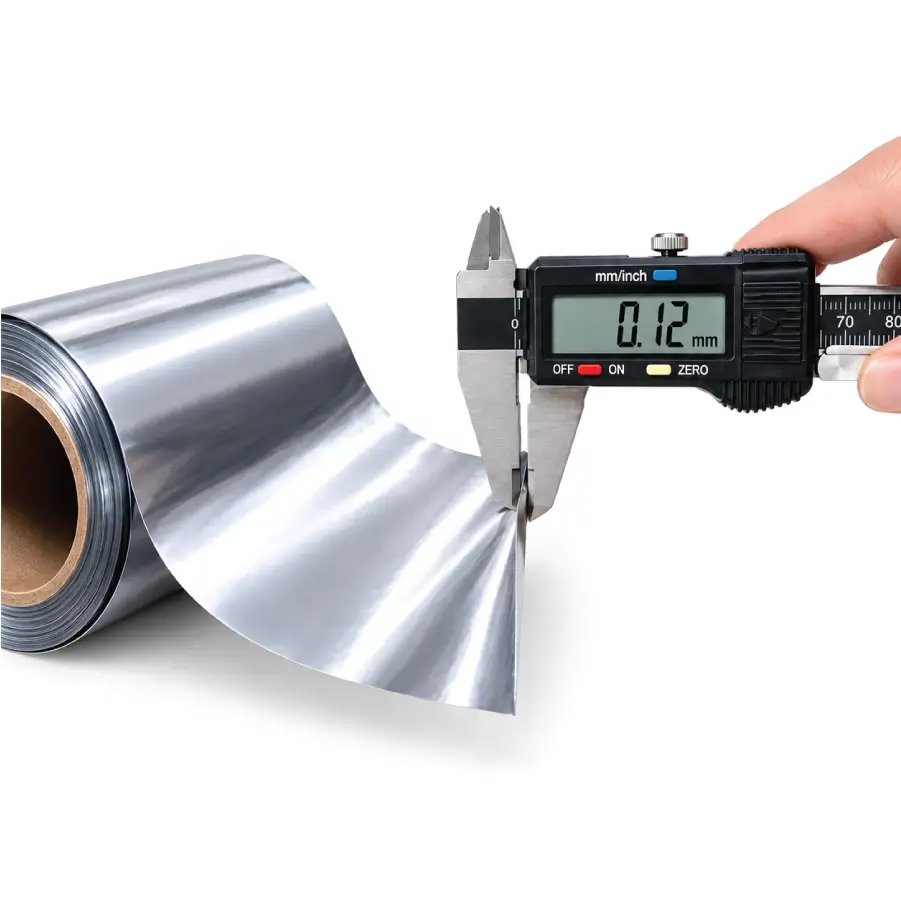
What is Mylar Thickness?
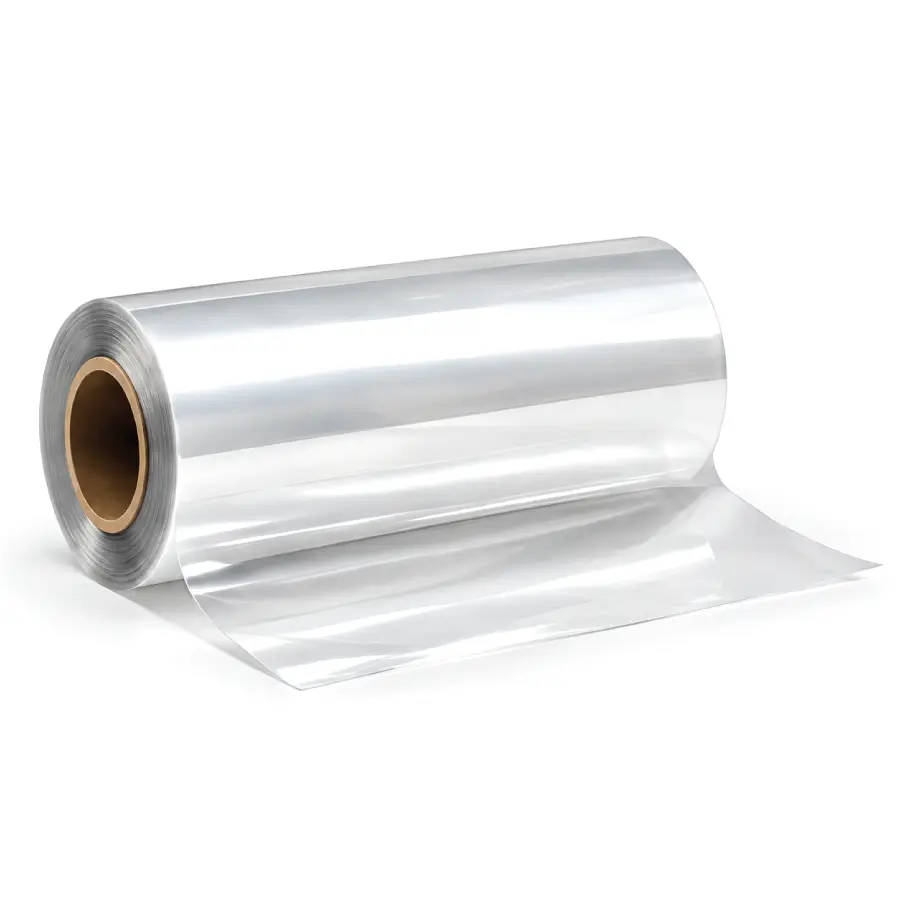
Mylar Thickness refers to the measured thickness of films used within flexible packaging structures. These films are known for strength, flexibility, barrier performance, and controlled material manufacturing. Here, let’s explore the common micron and mil measurements, understand differences, and review key thickness factors. Suitable thickness is used against moisture, oxygen, light, punctures, and handling pressure according to the requirements of the product.
Different thickness levels are specified according to weight, dimensions, filling conditions, sealing, storage, and protection requirements.
Benefits of Reliable Mylar Thickness
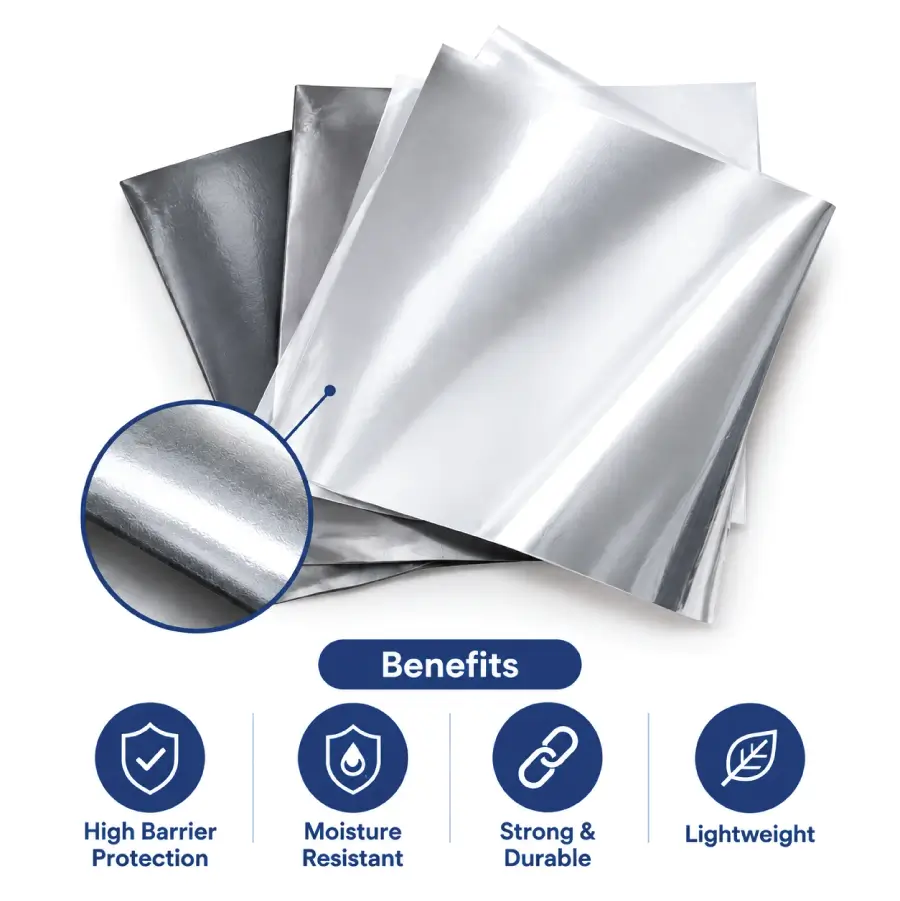
Several benefits are associated with suitable Mylar thickness for different products and specific requirements.
Barrier Performance
Suitable thickness levels are selected according to the required barrier properties, with factors such as:
- Moisture
- Oxygen Protection
- Light Barrier
Greater Strength
Higher thickness levels are associated with greater resistance to physical stress through:
- Tear Resistance
- Puncture Resistance
- Stability
Flexible Performance
Different thickness levels are considered according to specific packaging of the item, including:
- Flexible Structure
- Folding Requirements
- Filling Conditions
Improved Transportation Handling
Stronger film thickness of Mylar is used to easily handle the items during transporation of packaging through:
- Filling Capacity
- Sealing the Edges
- Transportation
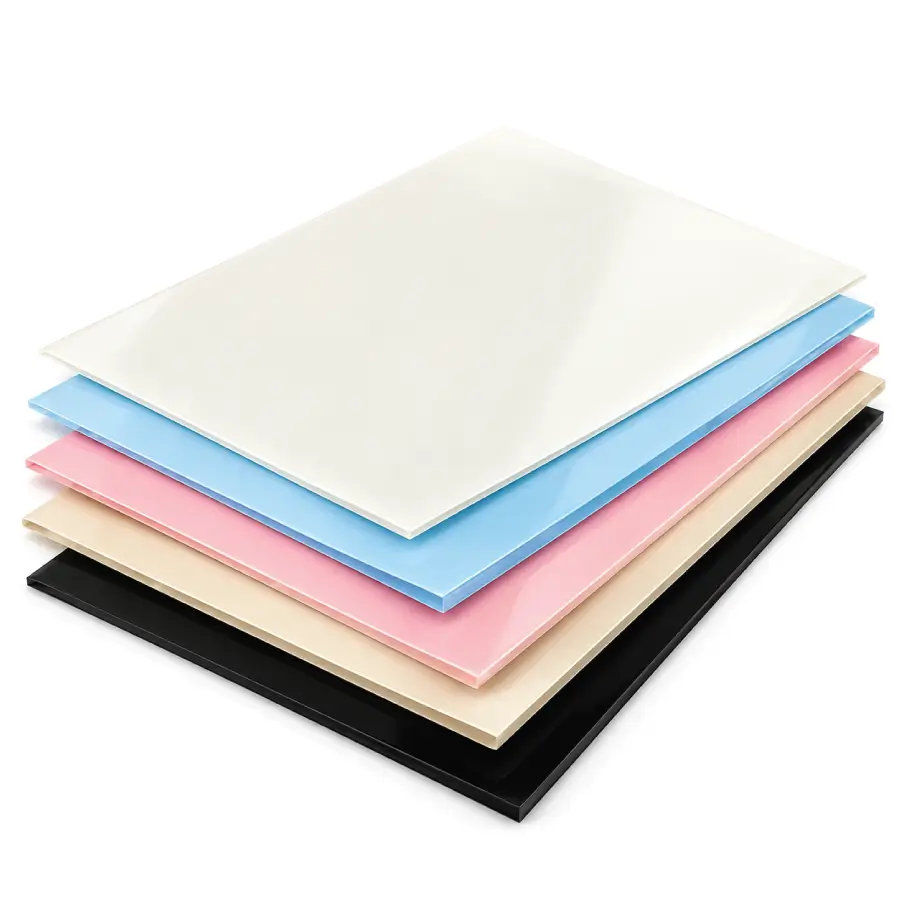
Standard Thickness of Mylar Sheets
Different Mylar sheeting thickness categories are selected according to flexibility, durability, barrier, and requirements as follows:
LDPE
Soft polyethylene films are prepared with flexible thickness options of approximately 25–150 microns (μm) for applications involving easy folding and heat sealing conditions.
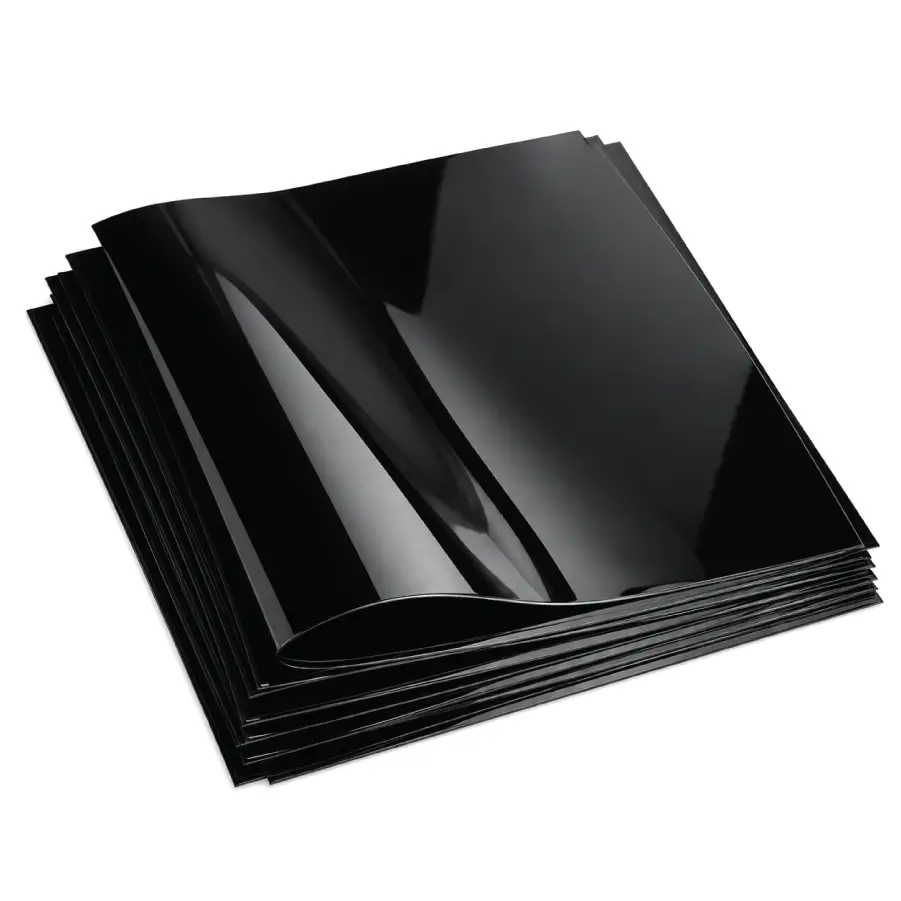
BOPP
Varied thicknesses of approximately 15–50 microns (μm) are prepared for biaxially oriented polypropylene film where stiffness, clarity, and printability are important factors.
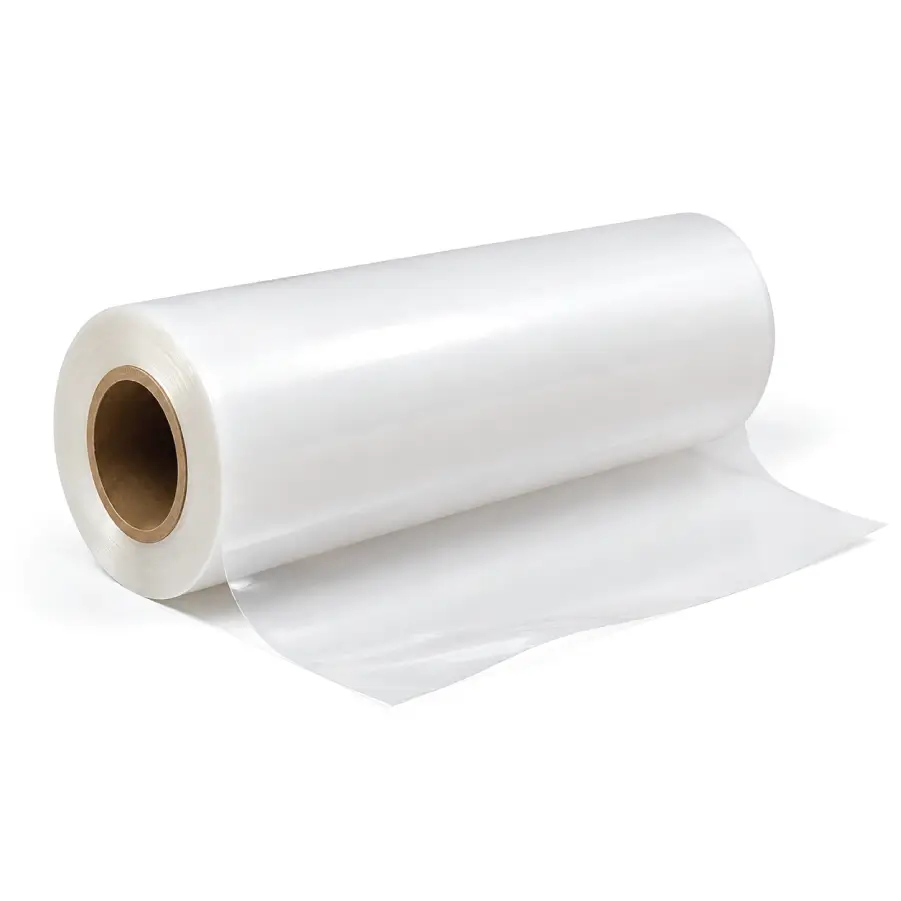
CPP
Cast polypropylene film is prepared in different thicknesses of approximately 20–70 microns (μm) for applications involving heat sealing and clarity considerations.
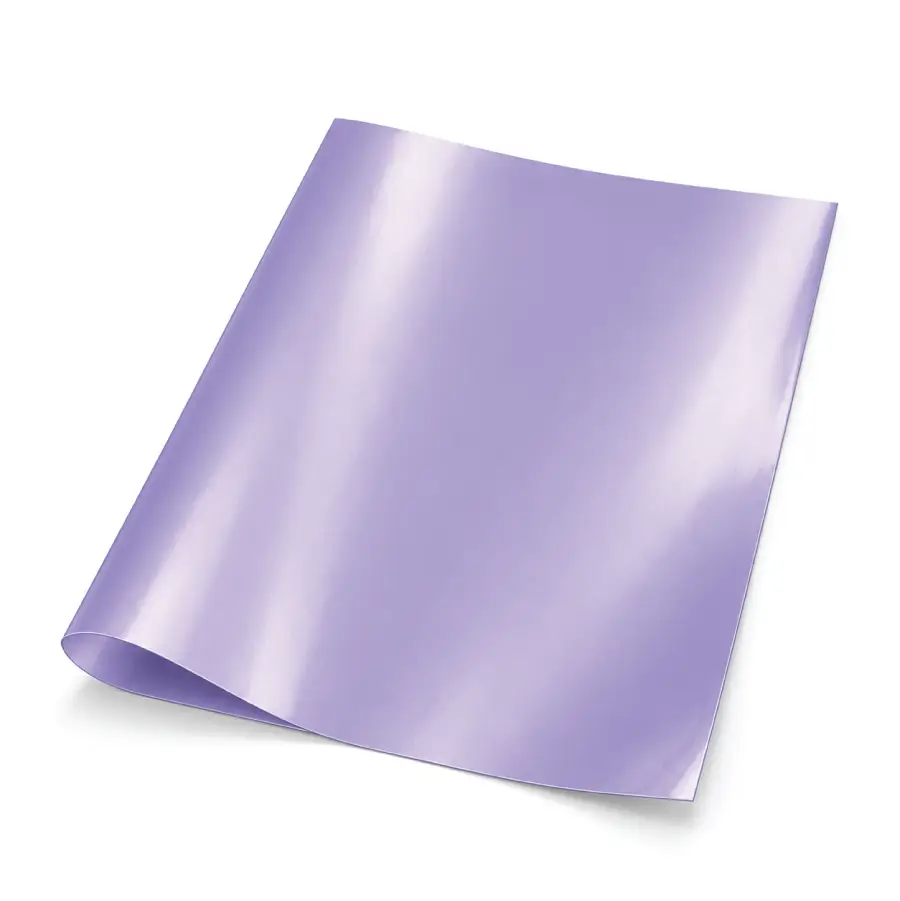
BOPET
Different thickness options of 8–75 microns (μm) are prepared for biaxially oriented polyester film where strength, clarity, and dimensional stability remain important.
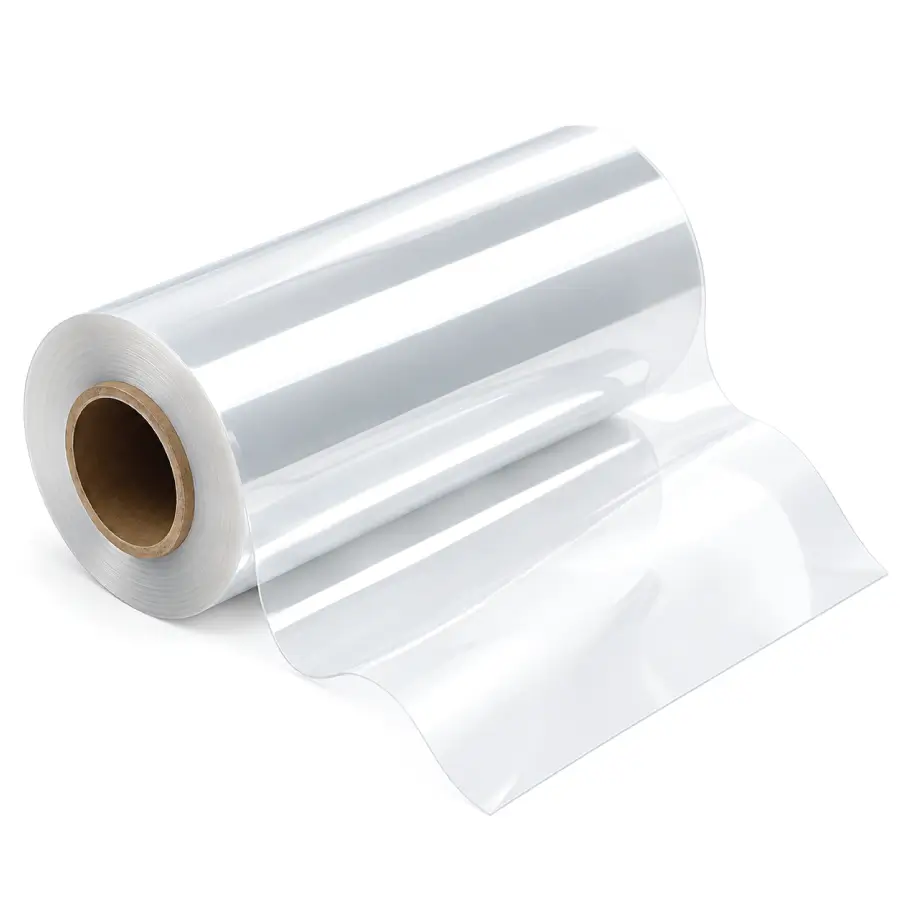
PE
Flexible polyethylene mylar material is included in varied thicknesses of approximately 20–150 microns (μm) where flexibility, sealing, and moisture resistance are needed.
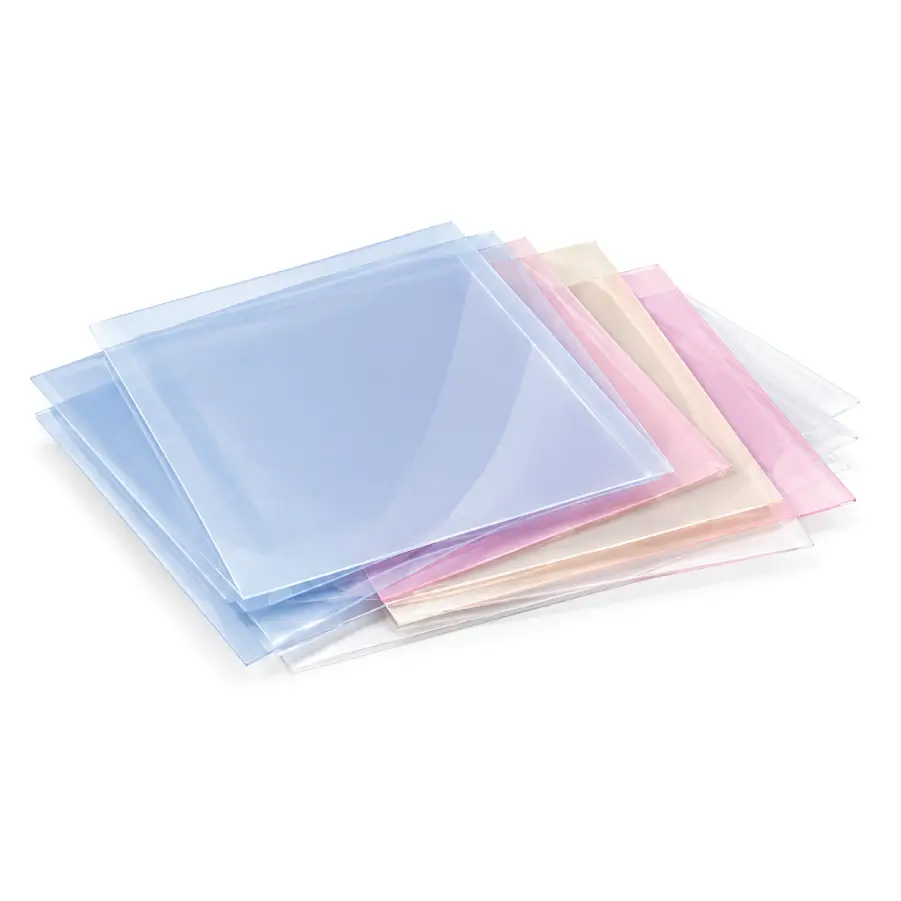
PET
A polyester sheet of mylar is prepared in thicknesses of 12–100 microns (μm) for applications where durability, clarity, and dimensional stability matter most.
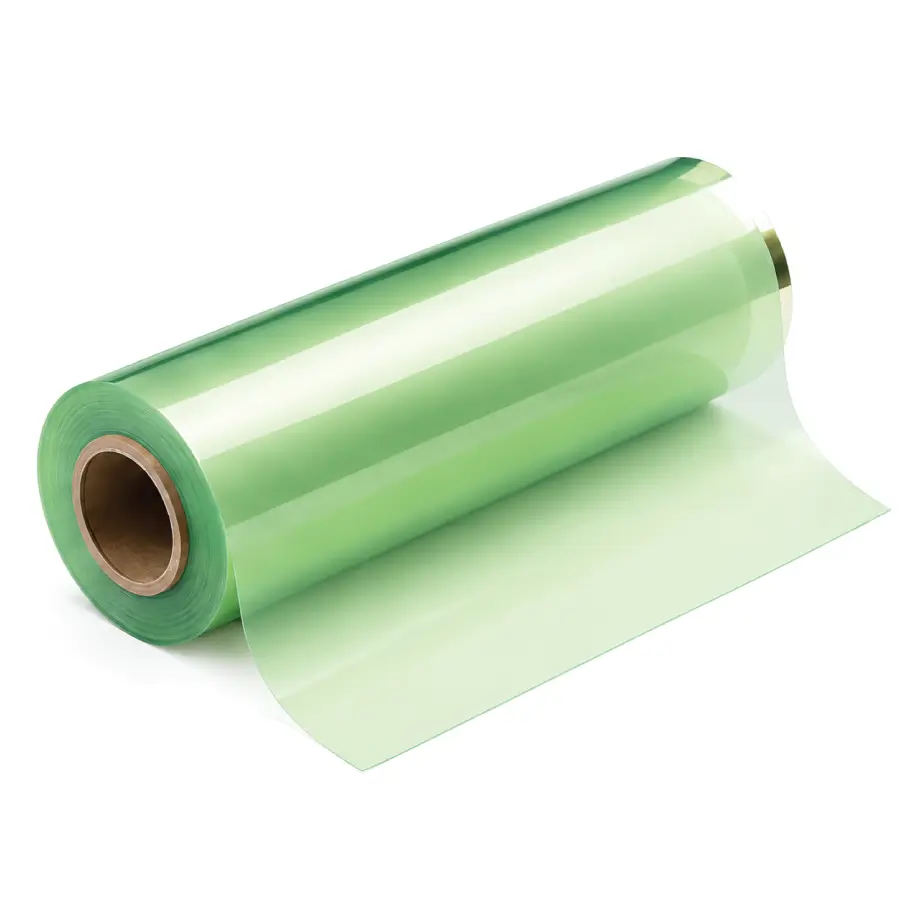
PA / Nylon
Selected thicknesses of rolled mylar, approximately 12–25 microns (μm), are used into polyamide film layers where strength is an important consideration.
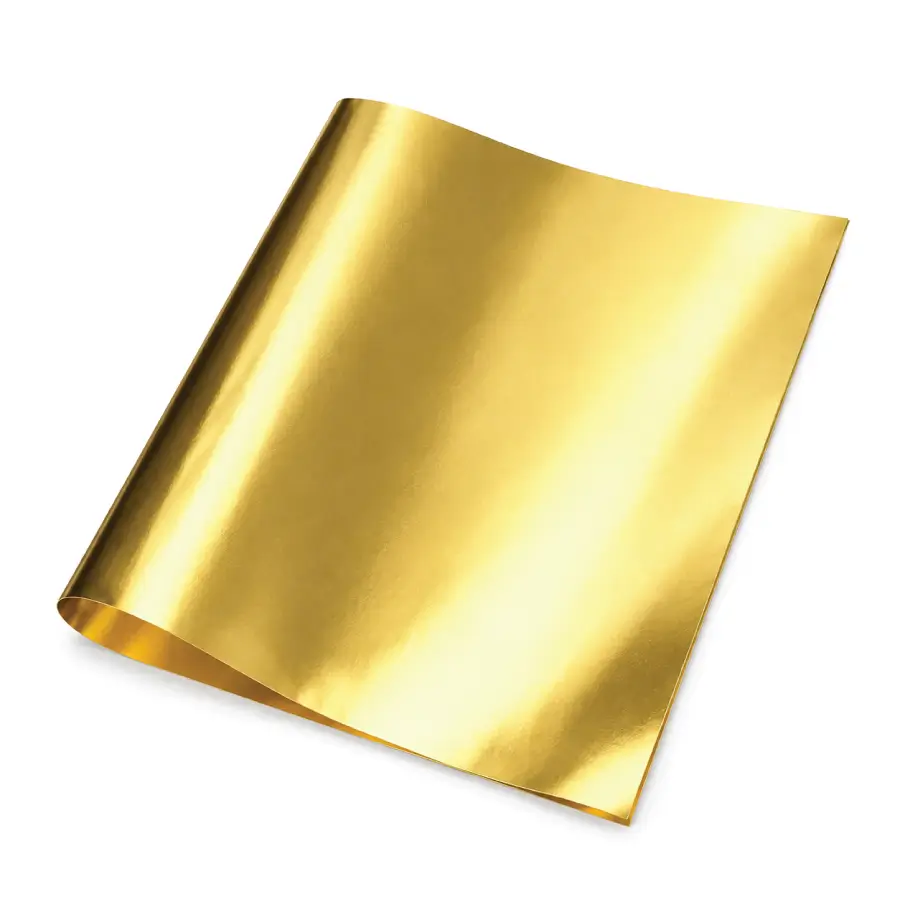
LLDPE
Suitable thickness levels of approximately 12–150 microns (μm) are prepared for flexible polyethylene film where flexibility and strong sealing remain necessary.
EVOH
Controlled thickness levels of approximately 12–20 microns (μm) are incorporated into ethylene vinyl alcohol barrier layers where high oxygen resistance is a priority.
Enjoy
15% Off
Standard Flexible Packaging Thickness Chart
| Typical total thickness | Approx. mil | Common Material |
| 25–50 µm | 1.0–2.0 mil | PET/PE, BOPP/CPP |
| 40–70 µm | 1.6–2.8 mil | PET/PE, PET/AL/PE |
| 50–80 µm | 2.0–3.1 mil | PET/PE, PET/VMPET/PE |
| 60–90 µm | 2.4–3.5 mil | PET/PE, PA/PE |
| 70–100 µm | 2.8–3.9 mil | PET/PE, PET/AL/PE |
| 80–110 µm | 3.1–4.3 mil | PET/AL/PE, PET/VMPET/PE |
| 90–120 µm | 3.5–4.7 mil | PET/PE, PET/VMPET/PE |
| 100–140 µm | 3.9–5.5 mil | PET/VMPET/PE, PET/AL/PE |
| 110–150 µm | 4.3–5.9 mil | PET/PE, PET/AL/PE |
| 130–180 µm | 5.1–7.1 mil | PET/PE, PET/AL/PE |
| 150–220 µm | 5.9–8.7 mil | Multi-layer PE/PET structures |
How Mylar Thickness Affects Barrier Performance
The thickness of Mylar has an important effect on barrier performance, particularly when moisture, oxygen, light, and handling conditions are considered. A thinner PET layer of 12–23 µm is often used for lightweight packaging structures, while a thicker PET layer of 25–36 µm is associated with greater strength and durability of the material. In multilayer Mylar bags, a PE layer of 50–70 µm is commonly combined with PET, with the Mylar thickness of each layer selected according to sealing and structural requirements.
Greater Mylar thickness is generally associated with increased resistance to punctures, crushing, and handling stress. For food products, the required Mylar thickness is selected according to barrier requirements, the filling process, storage conditions, transportation demands, and expected shelf life. Consistent protection during handling and distribution is achieved through suitable layer selection and proper Mylar thickness. The complete Mylar structure is therefore specified according to moisture, oxygen, light, and strength requirements of the product.
Explore Instruments Used to Measure Thickness
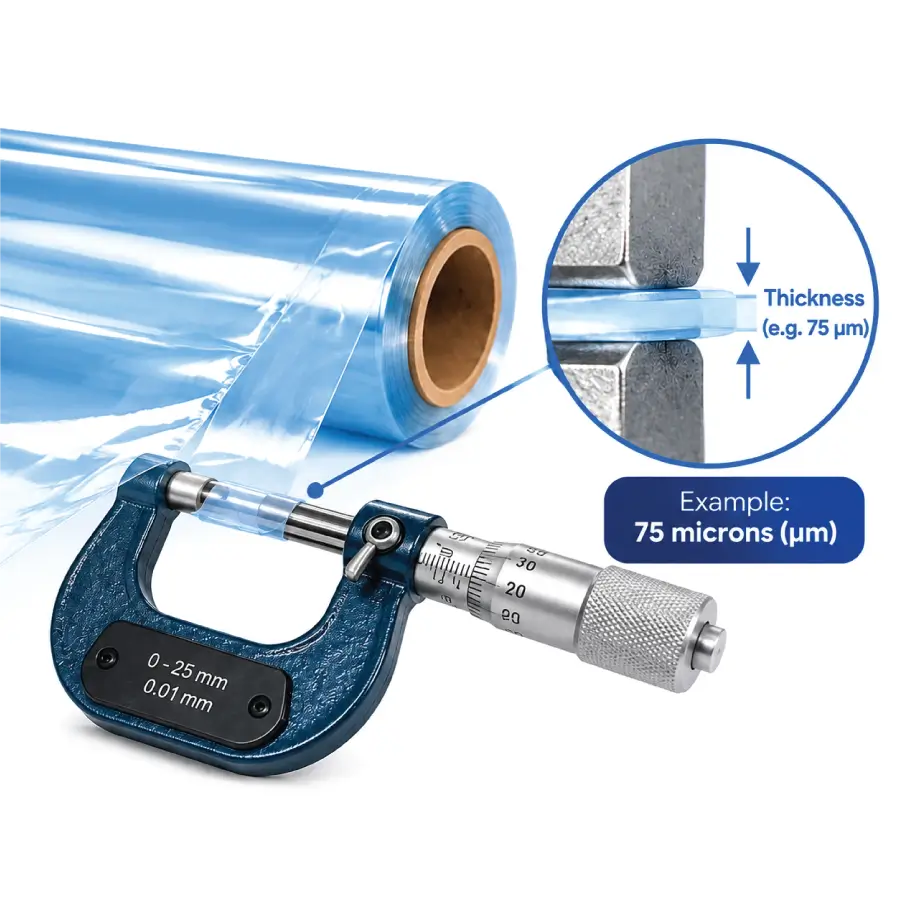
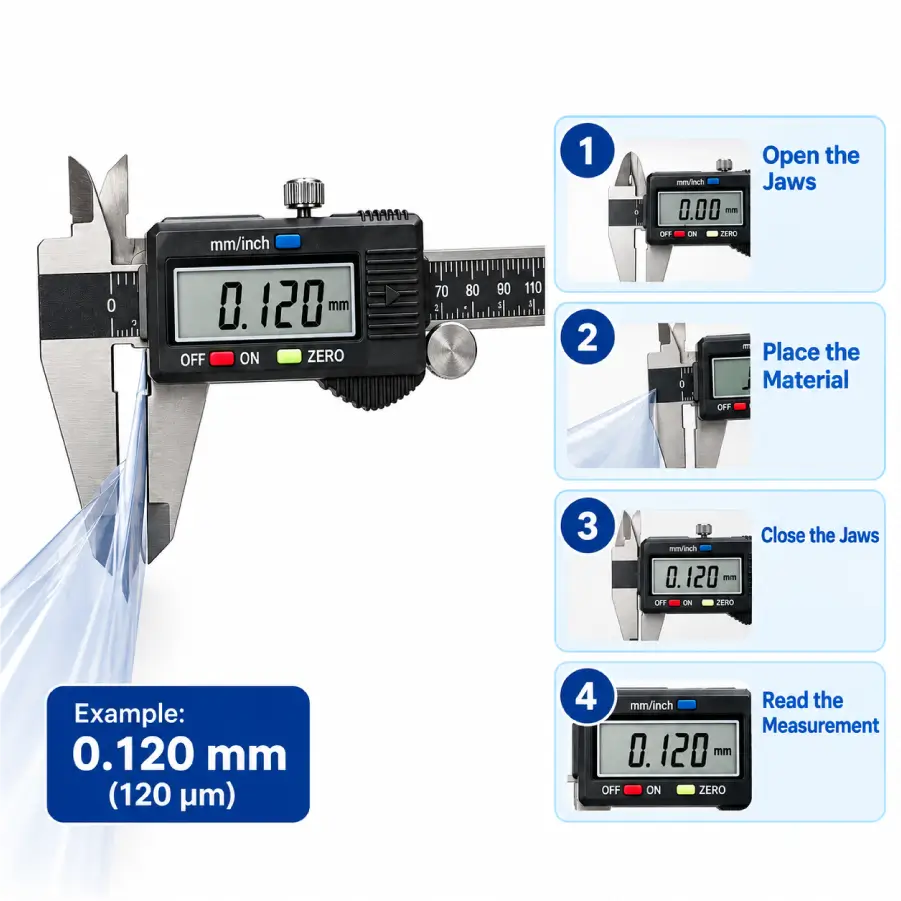
Several instruments are used to measure the thickness of Mylar and other flexible packaging materials. A digital micrometer is commonly used for precise thickness measurements of individual film layers. A thickness gauge is suitable for quick checks across different areas of a packaging film. For multilayer structures, a digital calliper may be used when suitable measurement accuracy is required. Measurement results are recorded in micrometres (µm), with readings taken from multiple points to identify Mylar thickness variations and maintain consistency with the specified requirements of the packaging material.
Discover Methods for Measuring Mylar Thickness
Accurate readings are important when a specific barrier level, strength, sealing performance, or material specification is required. The following four steps explain how Mylar thickness can be measured in a simple and consistent way.
1. Prepare the Mylar Sample
Begin with a clean, flat section of Mylar film or a finished bag. Remove any dust, residue, or wrinkles from the area selected for measurement. The sample should remain flat without stretching or compressing the material.
2. Select the Measuring Instrument
A digital micrometer or digital caliper is commonly used when precise measurements of thin Mylar film are required. Before testing, the instrument should be checked according to the manufacturer’s instructions and set to the appropriate measurement mode.
3. Take Measurements at Multiple Points
Place the Mylar sample carefully between the measuring surfaces without excessive pressure. Record the Mylar thickness shown on the instrument, usually in micrometres (µm). Repeat the measurement at several points, including the centre and different areas near the edges.
4. Compare and Record the Results
Record each measurement and calculate an average when several readings are there. Compare the results with the specified Mylar thickness of the packaging material. For example, a PET layer may have a thickness of 12–23 µm or 25–36 µm, while a PE layer in a multilayer structure may measure around 50–70 µm, depending on the packaging requirements.
Understand Mylar Thickness for Different Bag Sizes
Mylar thickness ranges vary by bag size, material structure, barrier needs, and packaging requirements. So, scroll down to view them:
Discover Ideal Mylar Thickness for Small Bags
Small Mylar bags are generally suited to lighter product quantities, so moderate material thicknesses are often sufficient.
| Bag Size | Approx. Product Weight | Suggested Mylar Thickness |
| 2 × 3 in | Up to 10 g | 2.5–3 mil |
| 3 × 4 in | Up to 25 g | 3–4 mil |
| 4 × 6 in | Up to 50 g | 3–4 mil |
| 5 × 7 in | Up to 100 g | 4–5 mil |
Compare Suitable Mylar Thickness for Medium Bags
Medium bags accommodate larger product quantities and may require a thicker structure for handling and protection.
| Bag Size | Approx. Product Weight | Suggested Mylar Thickness |
| 5 × 8 in | Up to 150 g | 4–5 mil |
| 6 × 9 in | Up to 250 g | 4–5 mil |
| 7 × 10 in | Up to 500 g | 5–6 mil |
| 8 × 12 in | Up to 750 g | 5–6 mil |
Select Proper Mylar Thickness for Large Bags
Large Mylar bags are intended for heavier product quantities, where greater material thickness may be considered.
| Bag Size | Approx. Product Weight | Suggested Mylar Thickness |
| 9 × 12 in | Up to 1 lb | 5–6 mil |
| 10 × 14 in | Up to 2 lb | 6–7 mil |
| 12 × 16 in | Up to 3 lb | 6–8 mil |
| 14 × 20 in | Up to 5 lb | 7–10 mil |
Important: These weight capacities are approximate. Actual capacity can vary according to the product density, bag construction, gusset style, seal design, and material structure.
Product Packaging Categories With Their Suitable Film Thickness
Use food-related links here because Mylar thickness can be discussed according to product weight, moisture, oxygen exposure, handling, and barrier needs.
CATEGORY 1: Explore Everyday Dry Food Packaging Options
Dry food packaging covers low-moisture foods, pantry staples, powdered items, snacks, dried ingredients, and related applications. Packaging structures vary according to product characteristics, filling weight, moisture sensitivity, storage conditions, and barrier requirements.
Sugar Packets
The sugar items are commonly packaged for cafés, restaurants, hospitality services, and takeaway applications. The sugar portions are packaged in these Custom Sugar Packets that are specified with 12 µm PET and 50 µm PE or any other customized thickness, according to filling weight and packaging requirements.
Coffee Packaging
Ground coffee, roasted coffee, and other dry coffee products involve packaging considerations related to freshness, barrier performance, and handling. These requirements are addressed through Coffee Packaging with structures such as 15 µm PET and 60 µm PE, while other materials and thicknesses may be specified according to the application.
Tea Packaging
Loose-leaf tea, tea blends, and dried tea products are commonly packaged for retail shelves, cafés, hospitality services, and specialty food applications. For these applications, Custom Tea Packaging is specified with structures such as 12 µm PET and 70 µm PE or other customized thicknesses, according to the weight of the product, moisture sensitivity, and storage conditions.
Cereal Pouches
Breakfast cereals, granola, and other dry grain-based foods are commonly presented in pouches, bags, boxes, and related formats. For cereal products, Cereal Pouches are specified with structures such as 23 µm PET and 70 µm PE or other material combinations, according to the dimensions of the package, weight of the product, and moisture protection requirements.
Rice Packaging
Rice products are commonly packaged in bags, pouches, and other formats for retail and food-service applications. The packaging of these products is specified through Rice Packaging with structures such as 23 µm PET and 90 µm PE or other customized thicknesses, according to the filling weight, handling conditions, and storage requirements.
Spice Packaging
Ground spices, seasoning blends, and powdered ingredients are commonly packaged for retail, food-service, and household use. These spice products are commonly packaged in pouches, bags, boxes, and other customized formats of Spice Packaging with structures such as 12 µm PET and 60 µm PE or other customized thicknesses, according to moisture sensitivity, filling weight, and storage conditions.
Herb Packaging
Dried herbs and botanical ingredients are commonly presented in pouches, bags, boxes, and other customized formats for retail applications. The required structures for these products are found in Herb Packaging with 12 µm PET and 60 µm PE or other material combinations, according to the quantity of the product, barrier requirements, and handling conditions.
Cannabis Bags
Dry cannabis products are commonly presented in specialized bags, pouches, boxes, and other formats according to product and storage requirements. For these items, Custom Cannabis Bags is specified with 15 µm PET and 70 µm PE or alternative structures, according to barrier requirements, storage conditions, and characteristics of the product.
Edible Packaging
Dry edible products are commonly packaged in pouches, bags, boxes, sleeves, stickers, labels, and other customized formats of Custom Edible Packaging with structures such as 12 µm PET and 70 µm PE or other material combinations and thicknesses, according to the type of product, weight of the product, moisture sensitivity, and barrier requirements.
CATEGORY 2: Explore Everyday Snack Packaging Options
Snack packaging covers popcorn, powdered foods, meat snacks, pet foods, mushroom products, hot dogs, and other food items requiring suitable formats for storage, handling, sealing, and presentation. Common packaging formats include pouches, bags, wrappers, and other customized structures, with materials and thicknesses specified according to the characteristics of the product and packaging requirements.
Popcorn Packaging
Popcorn is commonly packaged for cinemas, retail shelves, events, and food-service settings in formats suited to different serving sizes. These popcorn products are packaged through Custom Popcorn Packaging with structures such as 15 µm PET and 70 µm PE or other customized thicknesses, according to the size of the package and barrier requirements.
Powder Packaging
Powdered foods and dry powdered products are commonly packaged in pouches, bags, and other formats where moisture sensitivity and sealing are important considerations. The packaging of these products is done through Custom Powder Packaging with structures such as 15 µm PET and 70 µm PE or other material combinations, according to moisture sensitivity, filling weight, and sealing requirements.
Beef Jerky Bags
Beef jerky is commonly packaged for retail shelves, convenience stores, food-service settings, and snack displays in flexible bag formats. This beef jerky is packed in these Custom Beef Jerky Bags with structures such as 23 µm PET and 90 µm PE or other customized thicknesses, according to the weight of the product and puncture resistance requirements.
Beef Jerky Packaging
Dried meat snacks are commonly presented in bags, pouches, and other flexible formats for retail and food-service settings. For these products, Beef Jerky Packaging includes different structures such as 23 µm PET and 90 µm PE, while other materials and thicknesses may be specified according to barrier performance and handling conditions.
Beef Jerky Pouches
Jerky is also commonly presented in resealable and flexible pouch formats for retail snack displays and convenient storage. These are packed in Beef Jerky Pouches that may feature 23 µm PET and 90 µm PE structures or other material combinations, according to the weight of the product and puncture resistance requirements.
Pet Food Packaging
Dry pet food, treats, and related products are commonly packaged in pouches, bags, and other formats for retail shelves and household storage. Packaging for these products is offered in Custom Pet Food Packaging with structures such as 23 µm PET and 90 µm PE or other customized materials and thicknesses, according to the weight of the product, dimensions of the package, and storage conditions.
Mushroom Mylar Bags
Dried mushroom products are commonly presented in flexible bags and pouches for retail storage and specialty food applications. The packaging of these products is packed in Mushroom Mylar Bags with structures such as 15 µm PET and 70 µm PE or other customized thicknesses, according to the quantity of the product and required protection.
Hot Dog Wrappers
Hot dogs are commonly packaged in wrappers and flexible formats for refrigerated retail, food-service, and prepared-food settings. These products are packaged on these Custom Hot Dog Wrappers with structures such as 12 µm PET and 60 µm PE or other material combinations, according to the dimensions of the product and sealing requirements.
CATEGORY 3: Discover Sweet Food Packaging Formats
Sweet food packaging covers cookies, candies, lollipops, cupcakes, chocolate products, cocoa powders, and other sweet food items. Pouches, wrappers, packets, boxes, sleeves, stickers, and labels may be specified with PET, PE, paper, paperboard, foil, and laminated structures according to the characteristics of the product and packaging requirements.
Cookie Packaging
Freshly baked cookies and packaged cookie varieties are commonly presented for bakeries, cafés, retail shelves, gift assortments, and food-service settings. Hence, these industries use this Custom Cookie Packaging with structures such as 15 µm PET and 70 µm PE or other customized thicknesses, according to the weight of the product, moisture sensitivity, and storage requirements.
Cookie Wrappers
Individual cookies and smaller portions are often enclosed for takeaway service, retail displays, cafés, bakeries, and promotional presentations. Custom Cookie Wrappers formats are provided with structures such as 12 µm PET and 60 µm PE or other material combinations, according to the dimensions of the product and sealing conditions.
Candy Packaging
From hard candies to assorted sweets, different products are presented in formats suited to retail shelves, candy shops, events, and food-service options. Custom Candy Packaging includes structures such as 12 µm PET and 60 µm PE or other customized combinations, according to the type of product, weight of the product, and barrier requirements.
Lollipop Packaging
Individual lollipops are frequently presented for candy shops, retail displays, party favours, promotional events, and seasonal collections. For these products, Lollipop Packaging may feature 12 µm PET and 50 µm PE or other customized structures, according to thickness requirements and handling conditions.
Lollipop Wrappers
Small wrapped lollipops are commonly prepared for retail presentation, candy displays, events, party favours, and promotional places. These individual Custom Lollipop Wrappers are produced for it with 12 µm PET and 50 µm PE or other material structures, according to the dimensions of the product and sealing requirements.
Cupcake Wrappers
Baked cupcakes are commonly presented individually at bakeries, cafés, celebrations, catering events, and retail displays. The required wrapper format is represented through Custom Cupcake Wrappers with structures such as 12 µm PET and 60 µm PE or other customized thicknesses, according to the dimensions of the package, weight of the product, and thickness requirements.
CHOCOLATE CATEGORY:
Chocolate Bomb Packaging
Seasonal chocolate bombs and filled chocolate treats are commonly presented in gift sets, cafés, retail displays, specialty stores, and festive collections. These chocolate products are packaged in Chocolate Bomb Packaging with structures such as 15 µm PET and 70 µm PE or other customized thicknesses, according to the size of the product and handling conditions.
Mushroom Chocolate Bar Packaging
Chocolate bars containing mushroom ingredients are commonly presented in wrappers, boxes, pouches, and other formats for specialty retail and food services. The packaging of these bars is specified through Mushroom Chocolate Bar Packaging with 15 µm PET and 70 µm PE or other customized structures, according to barrier requirements.
Chocolate Bar Wrappers
Individual chocolate bars are commonly enclosed for retail shelves, gift assortments, cafés, specialty stores, and promotional presentations. These bars are wrapped through Custom Chocolate Bar Wrappers with structures such as 12 µm PET and 60 µm PE or other material combinations, according to the dimensions of the product and handling conditions.
Hot Cocoa Packets
Powdered hot cocoa is frequently portioned into packets for cafés, hospitality services, retail shelves, and home preparation. These powder portions are packaged in Custom Hot Cocoa Packets with structures such as 12 µm PET and 60 µm PE or other customized thicknesses, according to the weight of the powder and moisture exposure.
Hot Chocolate Packets
Individual servings of hot chocolate powder are commonly prepared for cafés, restaurants, and retail shelves. The individual portions are packaged in these Custom Hot Chocolate Packets with 12 µm PET and 60 µm PE or other material combinations, according to the weight of the product, filling conditions, and storage requirements.
CATEGORY 4: Protect Frozen Food With Suitable Thickness of Material
Frozen and sweet food products include popsicles, frozen foods, chocolate products, chocolate bombs, bars, cookies, candy, lollipops, and cupcakes. Material thicknesses and structures are specified according to temperature exposure, resistance, sealing, and barrier requirements.
Freeze-Dried Packaging
Moisture-sensitive freeze-dried foods are commonly packaged for extended storage and handling where suitable barrier properties are important. With Custom Freeze Dried Packaging, structures such as 15 µm PET and 70 µm PE are commonly specified, with other thicknesses determined according to moisture and oxygen sensitivity.
Frozen Food Packaging
Frozen meals, vegetables, fruits, and other cold-storage foods are commonly packaged in pouches, bags, and related formats. A 23 µm PET and 100 µm PE structure is commonly specified for Custom Frozen Food Packaging, while other material combinations are determined according to temperature exposure and package strength.
Popsicle Packaging
Cold desserts such as popsicles require packaging formats suited to freezing, handling, and sealing conditions. For these frozen treats, Custom Popsicle Packaging includes structures such as 12 µm PET and 70 µm PE or other customized thicknesses, according to cold-temperature handling requirements.
Ziploc Popsicle Bags
Resealable bags are commonly used for popsicles where closure and repeated handling are important considerations. Ziploc Popsicle Bags are specified with structures such as 15 µm PET and 70 µm PE or other customized thicknesses, according to closure requirements and material thickness.
Popsicle Plastic Bags
Plastic film formats are commonly selected for popsicles requiring suitable thickness and performance during frozen storage. The structures specified for Popsicle Plastic Bags include 23 µm PET and 60 µm PE, alongside other options according to film thickness and low-temperature handling conditions.
Custom Popsicle Bags
For individually packaged popsicles, bag dimensions and sealing conditions remain important structural considerations. Custom Popsicle Bags commonly feature 12 µm PET and 90 µm PE structures or other material combinations, according to the dimensions of the product and sealing requirements.
Custom Popsicle Wrappers
Wrapper formats are commonly associated with frozen treats requiring suitable film dimensions, sealing conditions, and material thickness. Structures such as 12 µm PET and 70 µm PE are specified for Custom Popsicle Wrappers, with other combinations determined according to the dimensions of the product, sealing conditions, and required film thickness.
CATEGORY 5: Choose Suitable Liquid Food Packaging
Liquid and semi-liquid foods include sauces, condiments, dressings, and other higher-moisture products requiring packaging structures based on consistency, filling conditions, sealing, and barrier requirements. Formats may include pouches, bags, and other customized structures, with materials such as PET, PE, BOPET, BOPP, and laminated films specified according to the characteristics of the product.
Sauce Packets
Sauces, condiments, and similar liquid foods are commonly portioned for restaurants, takeaway services, foodservice settings, and individual serving needs. These products are packaged in Custom Sauce Packets with structures such as 12 µm PET and 70 µm PE or other customized thicknesses, according to conditions during filling, sealing requirements, and barrier needs.
OTHER OPTIONS & FORMATS TO KEEP ALL LIQUID OR OTHER FOOD PRODUCTS
Custom Food Pouches
Liquid and semi-liquid food products are commonly presented in pouches for retail, foodservice, and other food-related places. The food on these Custom Food Pouches may use structures such as 15 µm PET and 80 µm PE or other material combinations, according to the characteristics of the food, dimensions of the package, and required film thickness is packed for a long-term shelf life.
Custom Product Pouches
Product-specific pouch formats are used for different food contents where the weight of the product and handling conditions vary. Moreover, these Custom Product Pouches may include structures such as 23 µm PET and 90 µm PE or other customized thicknesses, according to the weight of the product and requirements during handling.
Custom Flat Pouches
Flat pouch formats are commonly selected for products requiring a compact package shape and defined filling dimensions. These formats are represented through Custom Flat Pouches with structures such as 15 µm PET and 70 µm PE or other material combinations, according to the dimensions of the package, filling weight, and structural requirements.
Gusseted Bags
Gusseted formats are commonly selected where additional package capacity and defined dimensions are required for food products. The structure of Gusseted Bags may include 23 µm PET and 100 µm PE or other material and thickness combinations, according to the dimensions of the package and conditions during handling.
Custom Mylar Bags
Mylar bags are commonly presented for dry products where flexible structures and barrier characteristics are important. Within Custom Mylar Bags, structures such as 15 µm PET and 70 µm PE are specified, with further material options according to the weight of the product and barrier requirements.
Stand Up Mylar Pouches
Stand-up formats are commonly considered where upright package dimensions are important. Stand Up Mylar Pouches may feature structures such as 15 µm PET and 90 µm PE, with other material combinations and thicknesses specified according to the dimensions of the package and structural requirements.
Custom Kraft Stand Up Pouches
Kraft stand-up formats are commonly selected for products requiring an upright presentation with a paper-based outer appearance. These structures are specified through Custom Kraft Stand Up Pouches with 23 µm PET and 80 µm PE alongside an outer kraft-paper layer, according to the presentation and structural requirements of the product.
Overall Overview of Film Thickness by Product Category
| Product Category | Material Thickness | Other Thickness |
| Dry Foods | 12–23 µm | 50–90 µm |
| Snacks & Jerky | 15–23 µm | 60–90 µm |
| Sweet Foods | 12–15 µm | 50–70 µm |
| Liquid & Semi-Liquid Foods | 12–23 µm | 70–100 µm |
| Frozen & Freeze-Dried Foods | 12–23 µm | 60–100 µm |
| Popsicle Packaging | 12–23 µm | 60–90 µm |
Explore Distinct Shapes and Packaging Features with Common Thickness
Specific shapes and formats are considered according to filling capacity, presentation of the product, storage conditions, and structural requirements. Packaging structures may include circular, custom-shaped, stand-up, and gusseted formats, with materials and thicknesses specified according to the dimensions of the package, filling capacity, sealing conditions, and presentation requirements.
BAGS WITH SHAPES:
Circle Mylar Bags
Circular packaging formats are suitable for products requiring a distinctive shape and specific sealing conditions. These formats are presented in Circle Mylar Bags with structures such as 15 µm PET and 70 µm PE or other customized thicknesses, according to shape requirements and sealing conditions.
Custom Shaped Bags
Irregular and customized shapes are commonly considered for distinctive product presentation and specific filling requirements. The required formats are incorporated into Custom Shaped Bags with structures such as 15 µm PET and 70 µm PE or other material combinations, according to the dimensions of the package and filling requirements.
Packaging Features
Packaging features vary across formats according to the characteristics of the product and the intended presentation. Closure types, barrier performance, handling characteristics, and structural details are specified according to the requirements of the product, packaging format, and storage conditions.
BAGS WITH FEATURES:
Odour-Control Bags
Products with odour-sensitive contents are commonly packaged in pouches and bags for enclosed storage and handling. These products are packaged in pouches and bags of Custom Smell Proof Bags with 12 µm PET and 70 µm PE or other customized thicknesses, according to filling weight and barrier requirements.
Child-Resistant Bags
Controlled-access requirements are commonly associated with products requiring child-resistant closures during storage and handling. For these products, Child Resistant Mylar Bags are specified with 15 µm PET and 90 µm PE or other customized structures, according to closure requirements and handling conditions.
Resealable Bag Formats
Repeated opening and closing is often required for products intended for multiple uses during storage. For them, the Custom Resealable Bags are the best option with 15 µm PET and 90 µm PE or other material combinations, according to resealing requirements and filling conditions.
Hanging Bag Formats
Retail products intended for suspended display are commonly presented in bags with hanging features. For these formats, Hang Hole Bags are specified with 15 µm PET and 70 µm PE or other customized structures, according to display requirements and hanging conditions.
Retort Packaging Formats
Thermal processing after filling and sealing is associated with retort-ready food products. These products are packaged with Retort Packaging with structures such as 12 µm PET, 7 µm aluminium foil, and 80 µm PE, according to thermal processing requirements.
Side-Gusset Bag Formats
Additional package width is often needed for products requiring greater filling capacity. The packaging format is represented by using these Side Gusset Bags with 23 µm PET and 90 µm PE or other customized structures, according to the size of the package, filling weight, and structural requirements.
Compare Other Material & Size Formats with Common Thickness
Material structures and flexible formats are specified according to barrier performance, package structure, printing requirements, and handling conditions. Different material combinations, thicknesses, and bag sizes are presented according to product characteristics, filling quantities, and storage requirements.
BOPET Packaging
Multilayer BOPET formats are commonly presented for products with specific material and storage considerations. Through BOPET Packaging, structures such as 12 µm BOPET and 70 µm PE are specified, with additional material combinations according to the multilayer structure and storage conditions.
BOPET Bags
BOPET bags are commonly presented for products where flexible structures, barrier performance, and handling conditions are important. For these formats, BOPET Bags are specified with 12 µm BOPET and 70 µm PE, or other thickness specifications, according to the weight of the product and barrier requirements.
Foil Pouches
Products requiring stronger barrier characteristics are commonly presented in foil pouch formats for storage and handling. Within Custom Foil Pouches, structures such as 12 µm PET, 7 µm aluminium foil, and 70 µm PE are specified, alongside alternative barrier structures according to barrier requirements.
Flexible Pouches
Flexible pouch formats are commonly presented across filling, storage, and handling conditions where adaptable structures are preferred. For these formats, Flexible Pouches are specified with 12 µm PET and 100 µm PE, with different film gauges according to conditions during filling.
1 Gram Mylar Bags
Small quantities are commonly presented in compact Mylar bag formats for measured portions and retail handling. For lightweight contents, 1 Gram Mylar Bags are specified with 12 µm PET and 60 µm PE, or another customized structure, according to filling quantity and barrier requirements.
7g Mylar Bags
Seven-gram quantities are commonly presented in Mylar bags for larger portions and retail storage. For these quantities, 7g Mylar Bags are specified with 12 µm PET and 70 µm PE, with further thickness options according to filling weight and storage conditions.
4 x 6 Mylar Bags
Compact products are commonly presented in 4 x 6 Mylar bag formats where package dimensions and portion size are important considerations. With 4 x 6 Mylar Bags, structures such as 15 µm PET and 70 µm PE are specified, alongside other film specifications according to the dimensions of the package.
Small Mylar Bags
Smaller quantities are commonly presented in compact Mylar bags for retail storage and handling. For these smaller formats, Small Mylar Bags are specified with 12 µm PET and 60 µm PE, with alternate material structures according to the size of the package and quantity of the product.
Large Mylar Bags
Larger quantities are commonly presented in expanded Mylar bag formats where filling weight and package dimensions are important. For larger portions, Large Mylar Bags are specified with 23 µm PET and 90 µm PE, or other gauge combinations, according to filling weight and dimensions of the package.
Find Packaging Formats for Specific Products
Product-specific packaging is specified according to dimensions of the package, handling conditions, storage conditions, and barrier requirements. Different formats are presented according to the physical characteristics of each product and its packaging conditions.
Pre Roll Packaging
Pre-roll products are commonly presented in compact formats for retail storage and handling. For these products, Pre Roll Packaging is specified with 12 µm PET and 70 µm PE, with other structural options according to the quantity of the product and dimensions of the package.
Cartridge Packaging
Cartridges are commonly presented in compact packaging formats according to size and filling conditions. Through Custom Cartridge Packaging, structures such as 15 µm PET and 70 µm PE are specified, with additional film combinations according to the dimensions of the cartridge and conditions during filling.
Joint Packaging
Joint products are commonly presented in compact formats for retail storage and handling. Within Custom Joint Packaging, structures such as 15 µm PET and 70 µm PE are specified, alongside other customized film structures according to the size of the product and handling conditions.
Fertilizer Bags
Fertilizer products are commonly presented in bags for storage, handling, and filling conditions. For these products, Fertilizer Bags are specified with 23 µm PET and 90 µm PE, with other gauge selections according to filling weight, moisture exposure, and handling requirements.
Bath Salt Packaging
Bath salts are commonly presented in pouches and bags for retail storage and handling. Through Bath Salt Packaging, structures such as 15 µm PET and 70 µm PE are specified, with alternate thickness configurations according to the weight of the product and moisture exposure.
Condom Packaging
Condoms are commonly presented in individual flexible formats where product dimensions, barrier performance, and sealing conditions are important. Hence, these are packed in flexible Condom Packaging having a common thickness of 12 µm PET and 70 µm PE, with other film structures according to the barrier requirements and characteristics of the product.
Sock Packaging
Socks are commonly presented in paperboard packaging for retail display and organized presentation. For these products, Sock Packaging is specified with 250–300 gsm paperboard, with other board-weight options according to the dimensions of the product and display requirements.
Cosmetic Sachet Packaging
Beauty sachets are commonly presented for creams, gels, liquids, and other formulations in compact single-use formats. For these formulations, Cosmetic Sachet Packaging is specified with 12 µm PET and 70 µm PE, with other film structures according to the consistency of the product and conditions during filling.
Why Choose Universal Packaging?
Universal Packaging offers multiple packaging thickness options according to the requirements of the product, material, format, barrier needs, and specifications of the brand. Different micron and mil ranges are offered for flexible packaging structures, including PET, PE, BOPP, CPP, aluminium, and multilayer films. Thickness selection is based on the intended application, sealing conditions, durability requirements, and desired packaging format, with technical guidance provided throughout the specification process.
Thickness specifications are reviewed according to the requirements of packaging, with consideration given to the strength of the material, moisture resistance, oxygen barrier performance, puncture resistance, and sealing conditions. From thinner film structures to heavier-gauge multilayer formats, Mylar film suppliers determine thickness ranges according to the requirements of the storage conditions, filling conditions, and intended application. Material combinations are also considered according to the structure of packaging and required barrier properties.
For the Canadian market, applicable food-contact requirements under Division 23, Section B.23.001 of the Food and Drug Regulations are considered where food packaging is involved, together with relevant CFIA food-labelling requirements. Applicable provisions under the Safe Food for Canadians Regulations (SOR/2018-108), the Consumer Packaging and Labelling Act (R.S.C., 1985, c. C-38), and the Consumer Packaging and Labelling Regulations (C.R.C., c. 417) are also considered according to the application for packaging.
Whether mylar thin film, thick mylar sheets, or heavy 1 2 mil Mylar Thickness is being considered, the selection of thickness is based on the requirements of the product, filling conditions, storage environment, barrier level, and structure of packaging. Recycling requirements and Extended Producer Responsibility (EPR) considerations are also reviewed according to applicable Canadian requirements. Cheap Price Custom Packaging Companies are provided with correct thickness at affordable prices for different packaging formats and materials, with specifications organized around the required micron range, mil measurement, barrier rating, and structural requirements.
Real Case Study Of Mylar Thickness
1. Hawkins Cheezies, an Ontario-based snack brand, required a more suitable Mylar thickness because lighter film structures were associated with greater exposure to crushing. Universal Packaging prepared a thicker multilayer structure with suitable PET at 12–23 µm and PE at 50–70 µm, with thickness selected according to the required strength.
Results
- Fewer packages arrived visibly crushed after shipping.
- Product appearance remained intact through routine distribution.
- Customer satisfaction increased following more successful deliveries.
2. McCain Foods, a New Brunswick-based food brand, required proper material that adjusts during temperature changes. Universal Packaging prepared a Mylar thickness film according to freezer-storage conditions and sealing requirements, with BOPET at 12–23 µm and PE at 50–70 µm selected for the packaging.
Results
- The packages remained intact throughout frozen storage conditions.
- Seals remained secure during temperature changes and handling.
- Retail partners expanded orders after improved product satisfaction.
3. Maple Leaf Foods, an Ontario-based food brand, wanted packaging with stronger odour resistance. Universal Packaging offers a multilayer Mylar structure with an appropriate barrier layer and thickness, with EVOH 5–15 µm and OPP at 50–70 µm, suitable for odour-sensitive packaging.
Results
- Odour transfer remained lower during storage and handling.
- Sales increased across selected retail locations.
- Shelf storage conditions remained more suitable for products.
4. Saputo, a Québec-based dairy brand, required a more reliable closure structure because the spout area was becoming loose during handling and storage. Universal Packaging offers a Mylar thickness multilayer structure around the required format, with BOPP at 12–23 µm and PE at 50–70 µm, and suitable sealing conditions considered for the closure area.
Results
- Closure performance remained consistent during storage.
- Leakage incidents became less frequent.
- Repeat purchases increased among customers.
5. Gay Lea Foods, an Ontario-based dairy brand, found that thinner packaging structures were associated with faster loss of temperature protection around frozen products. Universal Packaging prepared a heavier multilayer & shaped structure with pellet film – mylar circles around 15–25 µm and PE at 50–70 µm, according to barrier requirements and the required protection of the product.
Results
- Improved temperature protection during storage.
- Greater strength during frozen handling.
- Better protection during transportation.
Frequently Asked Questions (FAQs)
What is the best Mylar thickness for packaging?
The best thickness is selected according to the weight, barrier requirements, durability, sealing method, and storage conditions of the product.
What Mylar thickness is commonly used worldwide?
Common thicknesses range from lightweight structures to thicker formats, with the final specification selected according to the requirements of the product.
Is thicker Mylar always better for packaging?
Thicker Mylar is not always necessary, as the suitable thickness is determined by product weight, barrier needs, handling, and storage conditions.
Does printing require a specific Mylar thickness?
Printing requirements are considered separately, while the overall film thickness is selected according to the packaging structure and requirements of the product.
Does Mylar thickness affect printing quality?
Mylar thickness has a limited direct effect on printing quality, while surface treatment, ink system, printing method, and film structure matter more.
How is Mylar thickness measured?
Mylar thickness is commonly measured in microns or mils, with the selected measurement representing the thickness of the complete packaging structure. Many customers have also posted favourable Reddit reviews about how the exact measurement aligned with their requested specifications.
How should Mylar thickness be selected for a product?
Mylar thickness should be selected according to product weight, moisture sensitivity, oxygen sensitivity, storage conditions, sealing requirements, and expected handling.
What Mylar thickness is suitable for heavy products?
A thicker structure is generally selected for heavier products when greater puncture resistance, durability, and sealing strength are required.