Have you thought about what makes popsicle packaging a better fit for frozen treats? To find the answer, we clarify the obvious question of How To Choose The Right Popsicle Packaging; where you explore materials, formats, sizes, closures, printing, and design considerations. Key details about freezer storage, safety of food, recyclability, and reputation of brand are discussed in this blog. Keep reading to see how these factors come together when the right popsicle packaging is being selected for frozen treats.
Factors For Selecting Packaging In 30 Seconds
Choosing the right popsicle packaging involves several important considerations. Before making a final selection, review these key factors in the blog of how to choose the right popsicle packaging:
- Material & Protection: Freezer suitability, moisture resistance, durability, and food-safe materials.
- Type & Size: Packaging format, shapes, dimensions, and storage requirements.
- Sealing & Convenience: Closure method, opening, handling, and consumer convenience.
- Printing & Presentation: Colour options, artwork, finishes, and presentation of the product.
- Cost & Sustainability: Production budget, recyclability, material use, and recycling requirements.
Once these five areas have been reviewed, the most suitable format for Custom Wrappers becomes easier to identify. A final comparison of how to choose the right popsicle packaging should also consider the requirements of the product and the reputation of the brand before production begins.
Identify The Requirements Of Your Popsicle Packaging First
Begin by recording the basic requirements of the popsicle. The length, width, thickness, weight, shape, ingredients, and expected storage temperature should all be considered. The intended selling environment should also be reviewed because a package prepared for supermarket freezer shelves may have different requirements from one prepared for direct service, and different retail packaging conventions may apply. The right format depends on requirements, making how to choose the right popsicle packaging an important planning step. The size of portion and quantity per package should be established as well. Colour preferences, printing of logo, artwork placement, and sustainability requirements should be recorded so the specifications remain consistent with the reputation of the brand and overall food packaging requirements.
Select Materials Based On Freezing Conditions
Material selection should match freezer, storage, and handling conditions. Flexibility, strength, clarity, sealing, moisture resistance, and food-grade packaging requirements should be reviewed according to the requirements of the product.
1. Polyethylene (PE)
Known for its flexibility, PE is suitable for Custom Popsicle Bags and popsicle wrappers where moisture resistance and heat sealing are required. The appropriate grade and thickness should be selected according to freezer conditions and product requirements.
2. LDPE (Low-Density Polyethylene)
With a softer, flexible structure, LDPE is suitable for bags and Custom Popsicle Sleeves where flexibility and heat-sealable film are required. The suitable thickness should be selected according to the size, weight, and handling conditions of the popsicle.
3. HDPE (High-Density Polyethylene)
For applications requiring greater firmness, HDPE is suitable for frozen product formats where a stronger film structure is required. The appropriate grade and thickness should be specified according to storage and handling conditions.
4. BOPP (Biaxially Oriented Polypropylene)
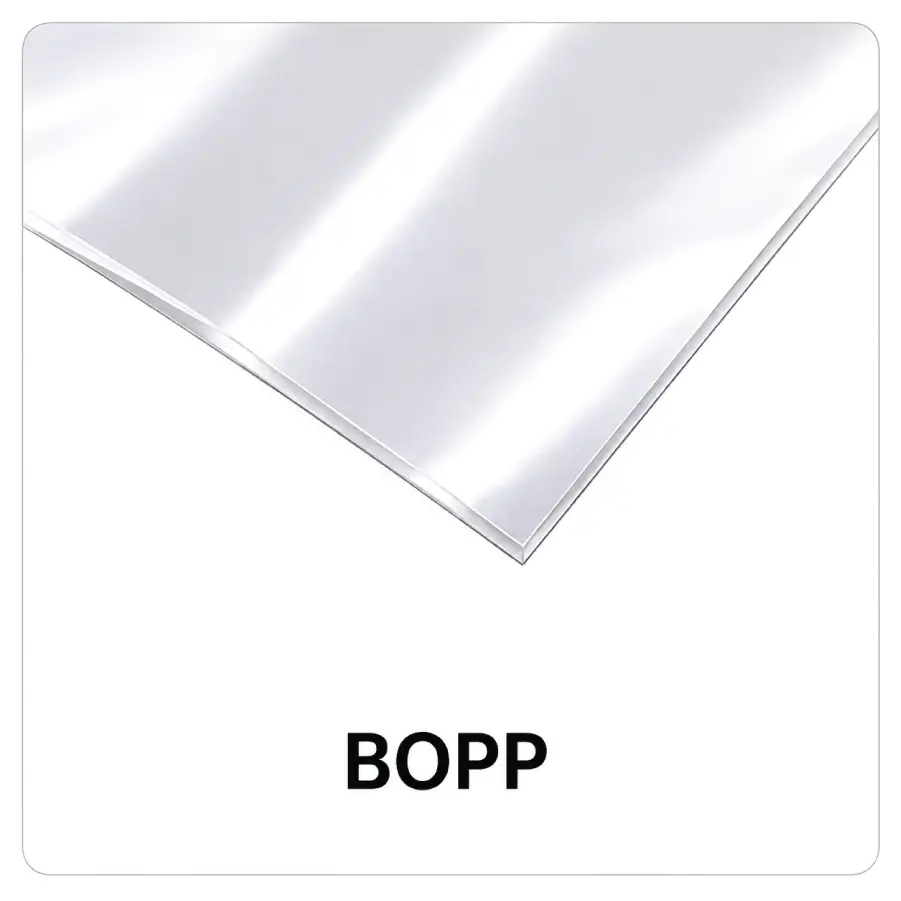
Where clarity and stiffness are important, BOPP is suitable as a printing surface and may be included in laminated film structures. The final structure should be specified according to the sealing and freezer-safe packaging requirements of the product.
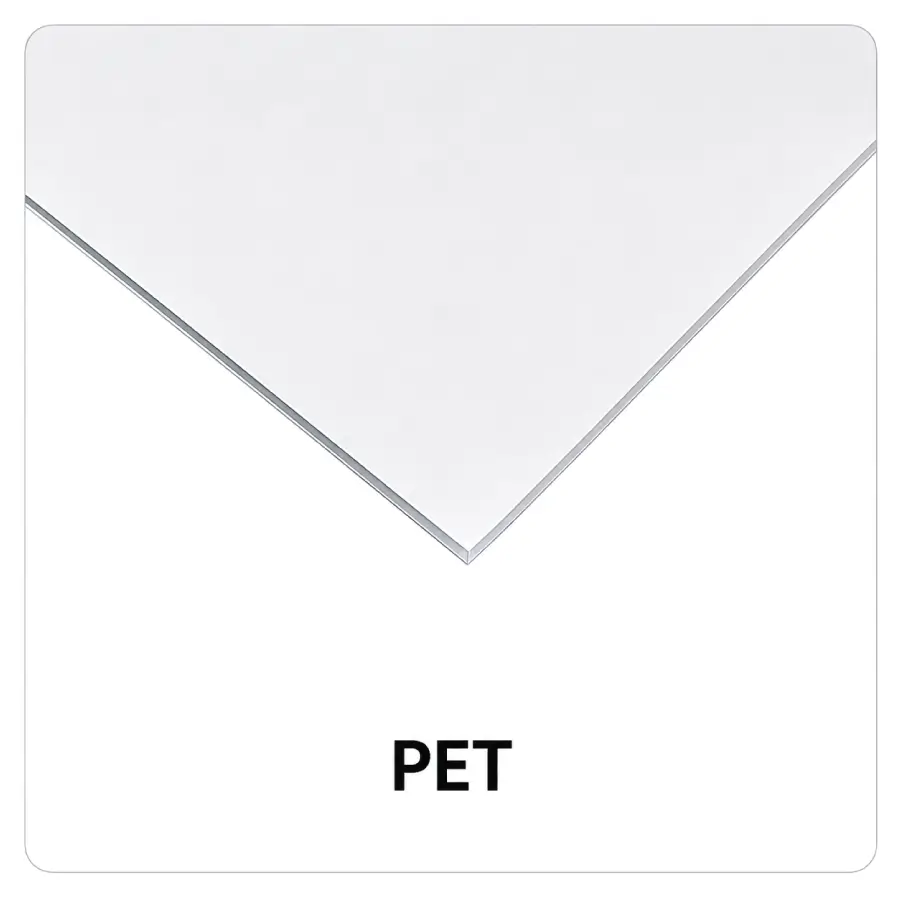
5. PET (Polyethylene Terephthalate)
For added strength and dimensional stability, PET may be included in laminated structures for frozen food applications. The final laminate should be selected according to the required moisture barrier, printing, and sealing properties.
6. BOPET (Biaxially Oriented Polyethylene Terephthalate)
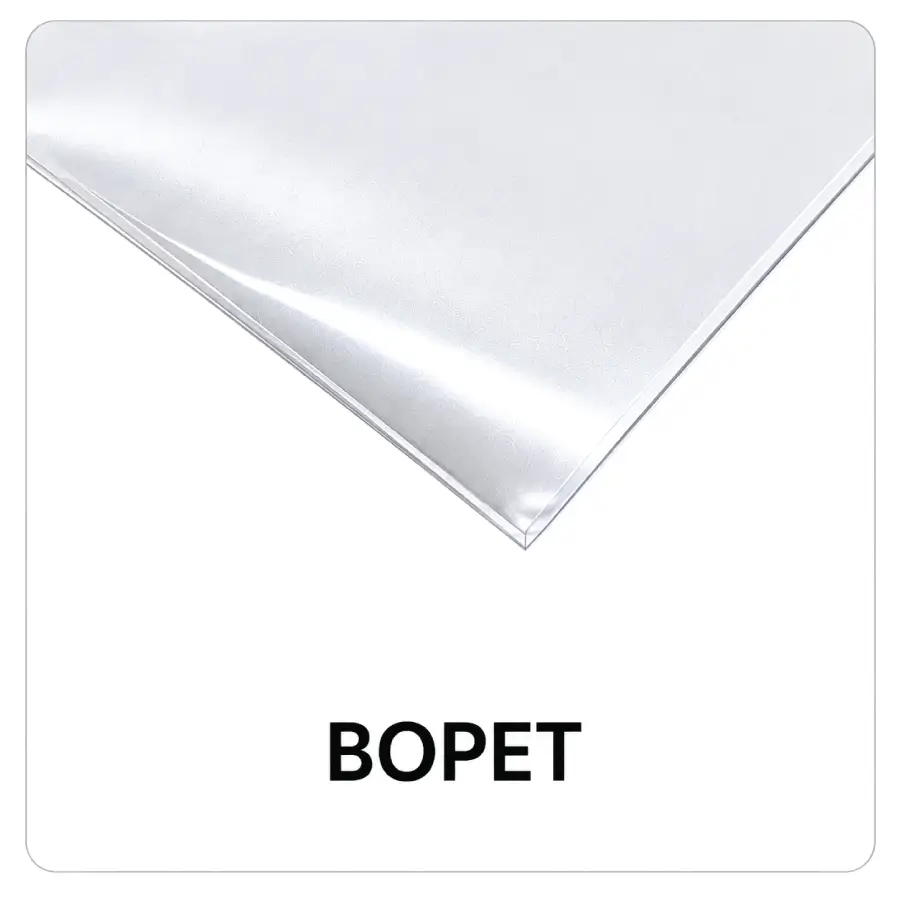
When strength and print quality are required, BOPET may be included in frozen food packaging structures like Food Packaging Sleeves. A suitable sealing layer may be combined with BOPET according to the required packaging specifications.
Beyond films, paperboard and kraft paper may be considered for outer cartons or eco-conscious presentations, particularly where mono-material packaging is preferred to support easier material recovery at end of life. For a deeper look at material options, read Best Materials for Popsicle Packaging to understand the properties and suitability of different materials for frozen products. Size, thickness of materials, and closure style all matter when determining how to choose the right popsicle packaging.
Match All Types According To Needs Of Item
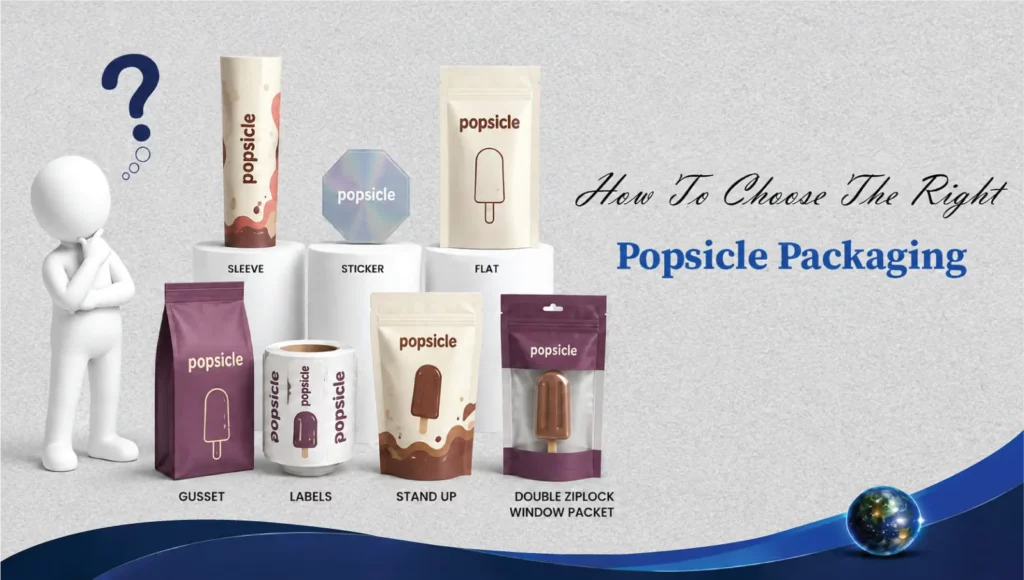
Several formats may be considered for popsicles, including popsicle sleeves, flat wrappers, popsicle bags, gusseted bags, and resealable zipper bags. Flat bags or Popsicle Plastic Bags may be suitable for individually wrapped products, while sleeves may be selected for an additional printed outer layer. Gusseted formats may provide additional internal space for larger products. Resealable zipper closures may be considered where repeated access is expected. The final format should correspond with the shape, dimensions, quantity, storage method, and intended customer use, along with any die-cut shape needed to fit in the blog of how to choose the right popsicle packaging.
Additional Popsicle Packaging Options
Several formats are suited to different frozen requirements in the article of how to choose the right popsicle packaging. The table below provides a quick comparison of the main options, including their typical purpose and key characteristics.
| Packaging Type | Main Purpose |
| Labels | Information, branding details, flavour names, ingredients, and required product information are added to the outer package. |
| Stickers | Logos, flavours, promotional details, and decorative options are added through adhesive stickers. |
| Boxes | Additional structure of Popsicle Boxes, stacking, organized storage, and an outer layer are provided for frozen dessert packaging. |
These options cover different presentation, storage, and handling requirements, making the format an important part of the selection process.
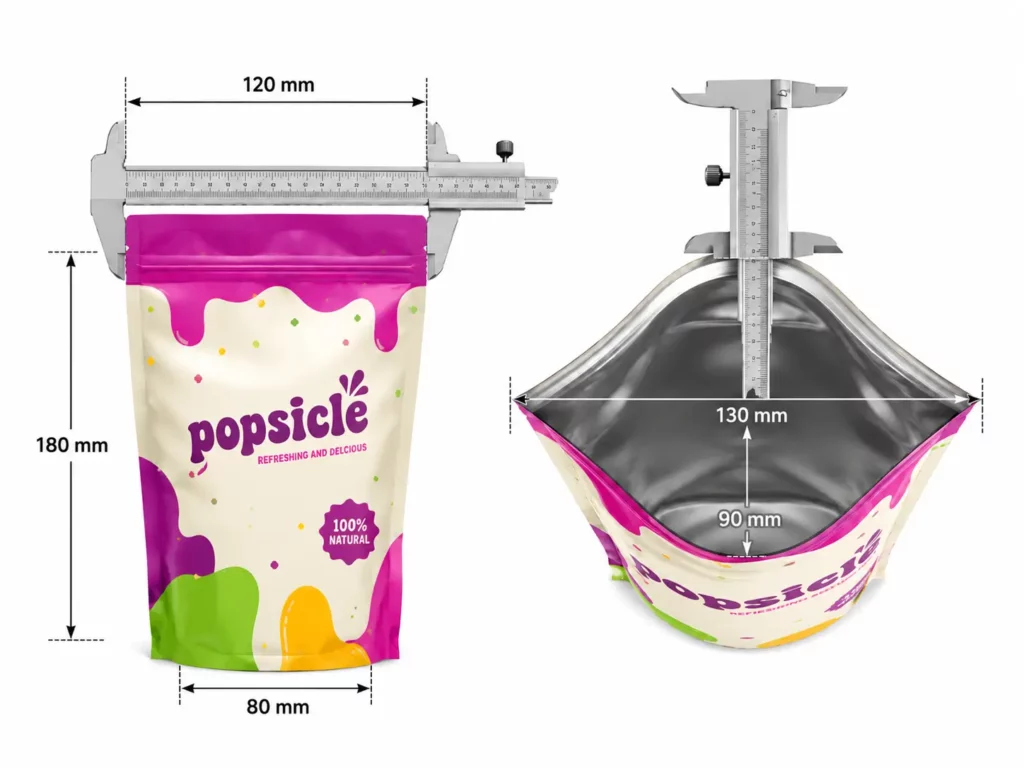
Consider Size And Dimensions Of Popsicles Carefully
Accurate measurements should be taken before the packaging size is finalized. The length, width, thickness, and overall shape of the popsicle should be measured carefully for Custom Mylar Bags. The stick and opening area should also be considered because sufficient space may be required for filling and sealing. Understanding how to choose the right popsicle packaging starts with the product size, shape, and storage conditions. An undersized package may create pressure around the product, while an oversized format may leave excessive empty space. Sample testing is recommended before bulk production so the fit, opening, sealing area, and presentation of the product can be reviewed properly.
Prioritize Protection Of Popsicle During Frozen Storage
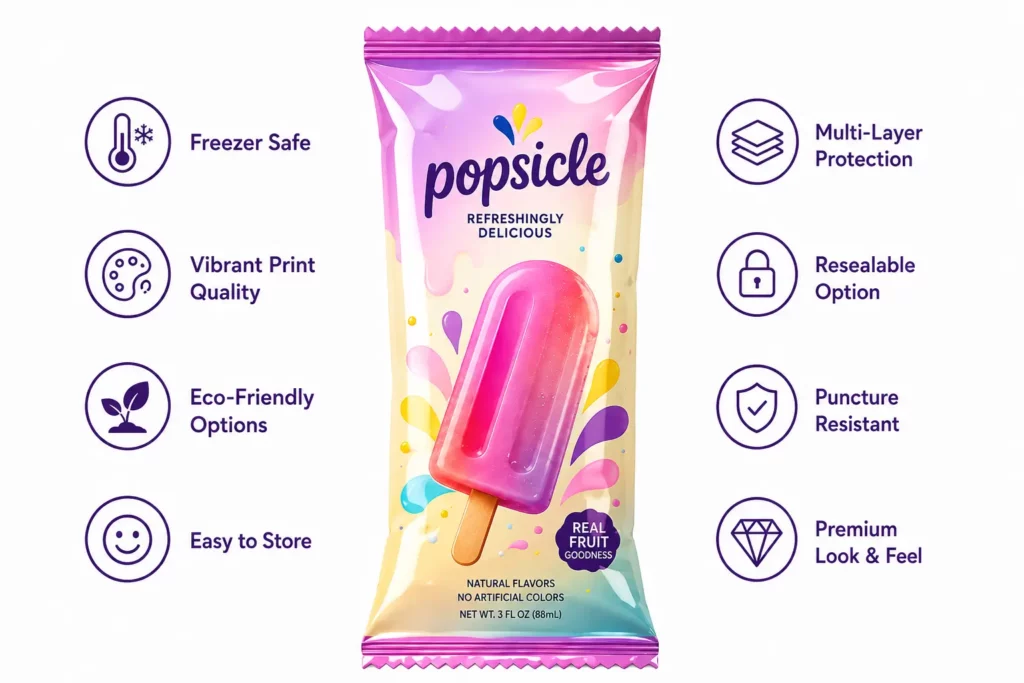
Frozen storage creates specific protection requirements that should be reviewed before the final packaging structure is selected. Moisture, temperature changes, transportation, stacking, and handling may affect the condition of the package. A suitable moisture barrier and, where relevant, an oxygen barrier should be specified according to the product requirements.
Physical strength and leak-resistant packaging should also be considered during transportation of Frozen Food Packaging. Several factors should be considered when learning how to choose the right popsicle packaging for frozen treats. The sealing areas should remain secure under expected freezer conditions. For extended storage, the required barrier properties should be reviewed carefully to maintain suitable protection of the product.
Evaluate Sealing And Closure Options Properly
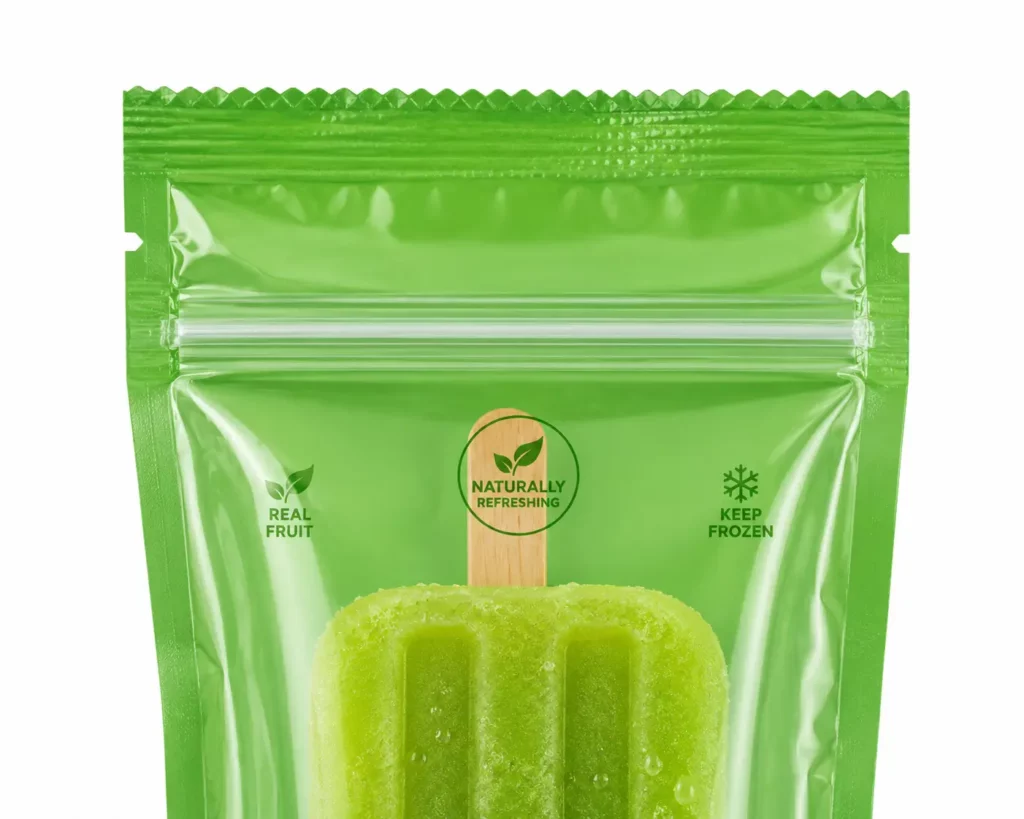
The closure method should correspond with the packaging format and intended use. Heat seal methods are commonly used with bags and wrappers because a sealed edge provides closure around the product. A tear notch may be included where convenient opening is required, while zipper closures in Ziploc Popsicle Bags may be considered for formats intended for repeated access. The sealing area should have sufficient space for proper closure. Seal testing should also be completed under expected freezer and handling conditions before production so the selected closure method remains suitable. The material, sealing method, and design are important when deciding how to choose the right popsicle packaging.
Compare Printing And Customization Requirements
Printing should be reviewed according to the material, artwork, order quantity, and desired presentation of the product for maximum shelf appeal. Important information may include the logo, name, flavour, ingredients, nutrition information, barcode, storage instructions, and required regulatory details. Digital printing and screen printing may be considered according to the project specifications.
Colour selection should remain consistent with the reputation of the brand, recognition of the product, and presentation of the product. Matte finishes, glossy finishes, holographic effects, and foil details may also be considered where they suit the selected material. Branding and printing should also be reviewed as part of how to choose the right popsicle packaging.
Assess Sustainability And Recycling Considerations
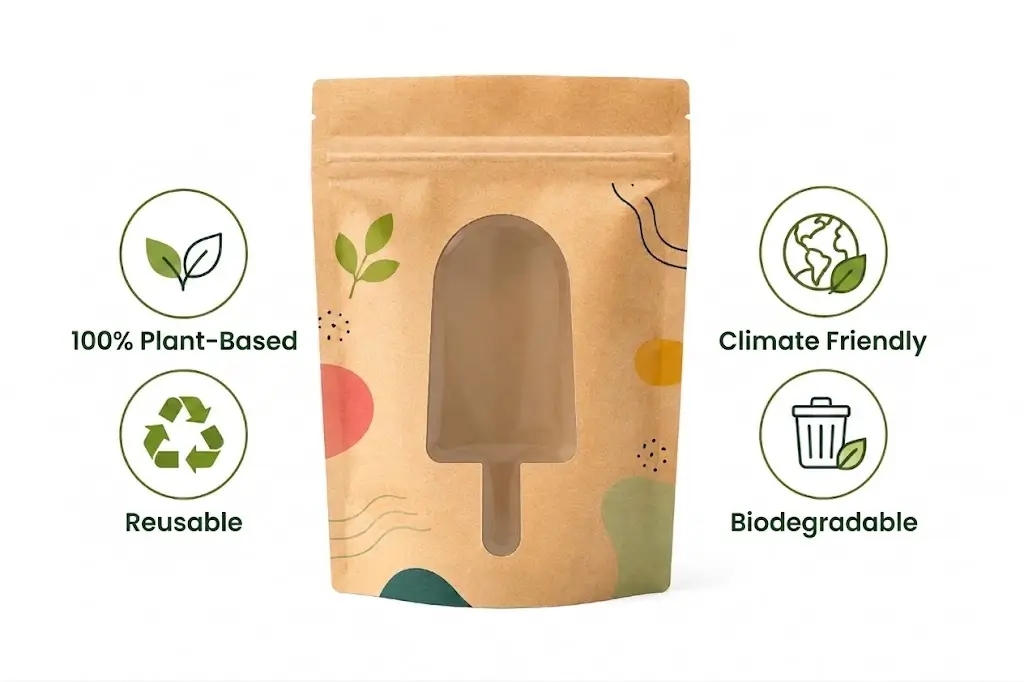
Sustainability should be reviewed in the blog of how to choose the right popsicle packaging with material performance and local recycling conditions. Recyclable packaging, recycled content, and simpler mono-material structures may be considered according to the product requirements to support waste reduction goals. The actual recycling pathway should be checked before the material specification is finalized because recyclable materials may not be accepted through every local recycling programme. Recycling instructions and recycling symbols should also be included on the package where applicable. The sustainability requirements of the brand should remain aligned with the selected material structure, intended market, and realistic end-of-life conditions.
“Recycling, packaging, businesses are changing all of those things because that’s what consumers want.” — Jerry Greenfield
Consider Cost And Quality Of Popsicle Packaging
Price should be reviewed throughout the packaging selection process rather than only at the final stage. Material, printing, finishing, tooling, setup, shipping, and order quantity may all affect the overall price. Bulk production can lower unit cost, while special finishes, detailed artwork, or additional material layers may increase expenses.
It is important to know about the price of packaging in the article on how to choose the right popsicle packaging. Cost reduction should not result in unsuitable protection, weak seals, or poor presentation of the product. A simple design and appropriate material structure may balance production costs, product requirements, and presentation. Let’s dive into Custom Popsicle Packaging and reveal the top features, customization options, and standout qualities that give packaging a more professional look.
“The health claims on packaging are there because they sell products.” — Laurie David
Check Safety Of Item And Compliance Standards
Food safety should be reviewed before the packaging specification is finalized. Food-contact materials should meet the applicable requirements for the intended application and market, including FDA food-contact compliance where relevant. For products sold in Canada, applicable provisions under the Food and Drug Regulations, including Division 23, the Safe Food for Canadians Regulations (SOR/2018-108), and the Consumer Packaging and Labelling Act (R.S.C., 1985, c. C-38) together with the Consumer Packaging and Labelling Regulations (C.R.C., c. 417) should be reviewed.
Labelling details should also be checked carefully, as discussed in how to choose the right popsicle packaging, including ingredients, allergen details, net quantity, nutrition information, storage instructions, manufacturer information, and other required details. Where applicable, packaging and environmental claims should meet Canadian requirements for accurate and non-misleading representations. Relevant material documentation and testing records should also be retained where required.
Select Packaging Based On Customer Convenience
Consumer convenience should be considered from opening through consumption and disposal. The opening method should be suitable for the intended users and product format. A tear notch may be appropriate for individually Custom Popsicle Wrappers where quick opening is preferred. Resealable closures may be considered for formats where repeated access is expected. Moreover, by reading the blog on how to choose the right popsicle packaging, you will know that the dimensions and shape of the package allow comfortable handling. The opening should provide sufficient access to the product without unnecessary difficulty. The presentation of the product after opening should remain clean and straightforward.
Make Your Final Packaging Selection
After all factors have been reviewed, the shortlisted packaging formats should be compared against the original product requirements. Material suitability, dimensions, protection, sealing, printing, sustainability, cost, safety of food, and convenience should all be included in the assessment. A physical sample should be reviewed in the blog of how to choose the right popsicle packaging whenever possible. The fit around the popsicle, sealing area, print quality, opening method, and presentation of the product can then be checked under realistic conditions. Material, dimensions, artwork, printing method, closure, quantity, and finishing details should be confirmed before production. Move smart, contact specialists today!
Conclusion
As you know, the blog on how to choose the right popsicle packaging involves more than selecting an attractive format. Materials, types, sizes, frozen-storage protection, sealing, printing, sustainability, cost, food safety, and customer convenience should all be reviewed together. For reliable Canada Custom Packaging, suitable options can be reviewed according to the requirements of the product and brand. The process should continue through sample testing and final specification approval, with the reputation of the brand and presentation of the product kept consistent throughout.
Frequently Asked Questions (FAQs)
What factors should be considered when choosing popsicle packaging?
Material, size, type, freezer protection, sealing, printing, sustainability, cost, food safety, and customer convenience should all be reviewed in the blog on how to choose the right popsicle packaging.
Which material is best for popsicle packaging?
PE, LDPE, HDPE, BOPP, PET, and BOPET may be considered according to freezer conditions, sealing requirements, strength, and product specifications. As discussed in the above blog on how to choose the right popsicle packaging, these materials are described.
How should I select the right size of popsicle?
Measure the popsicle length, width, thickness, and stick dimensions, then select a suitable package size with sufficient filling and sealing space.
What type of packaging is suitable for different popsicle shapes?
Sleeves, flat wrappers, bags, gusseted bags, and zipper bags may be selected according to the shape, dimensions, quantity, and intended use, as we discussed in how to choose the right popsicle packaging.
How can popsicle packaging result in protection during frozen storage?
Suitable material structures, moisture resistance, strong seals, and appropriate film thickness should be specified according to freezer and handling conditions. As we discussed above in the blog on how to choose the right popsicle packaging.
Is recyclable popsicle packaging suitable for frozen products?
As we discussed above in the blog on how to choose the right popsicle packaging for affordability. Recyclable materials may be considered when their freezer performance, food safety, material structure, and local recycling requirements are suitable.
How can popsicle packaging costs be reduced?
Material selection, package size, printing method, finishing options, and order quantity should be reviewed to maintain suitable quality within budget. As we discussed above in the blog on how to choose the right popsicle packaging for affordability.
Where can I buy custom popsicle packaging in Canada?
In the blog on how to choose the right popsicle packaging, custom popsicle packaging can be purchased from Universal Packaging Canada, with customized sizes, materials, printing, and packaging formats offered.