Have you ever wondered how to prevent messy sauce leaks and protect every packet during delivery? Learn How To Reduce Leakage Risks In Sauce Packet Packaging with practical, proven strategies. Discover suitable materials, reliable heat seals, accurate filling methods, and important leak detection tests. Prevent weak seals, damaged packets, and product waste through careful quality checks and proper storage. Scroll down and find out the solutions to reduce them.
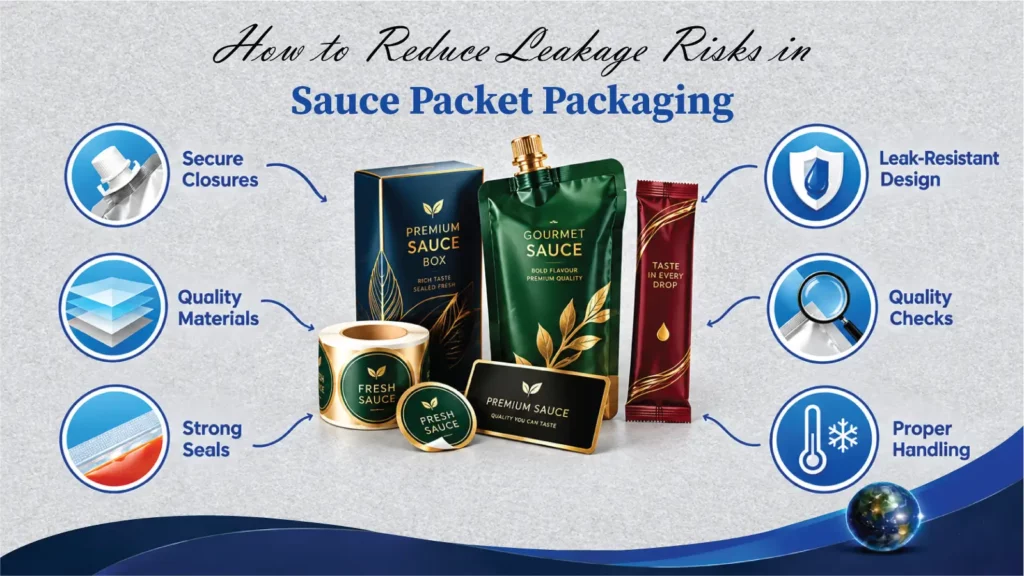
Understand the Causes of Sauce Packet Leakage in 1 Minute
Before deciding how to reduce leakage risks in sauce packet packaging, manufacturers should identify the common causes of leakage. The following issues are worth checking during production:
-
Weak heat seals:
Incomplete bonding along the edges of packets may lead to sauce leakage.
-
Pinholes in the film:
Small holes in the material may allow sauce to escape during storage or transportation.
-
Unsuitable film thickness:
Insufficient thickness may increase the risk of punctures and physical damage.
-
Sauce residue on seals:
Trapped sauce between sealing surfaces may prevent proper closure.
-
Rough transportation conditions:
Compression, friction, and accidental impacts may damage packets and weaken seals.
Identifying these problems is an important step in understanding how to reduce leakage risks in sauce packet packaging. Regular inspections and appropriate corrective measures help reduce recurring defects throughout production. Let’s explore Condiment Packaging solutions and see suitable materials, reliable sealing methods, and printing options for the safe storage and presentation of condiments.
Choose Reliable Materials for Sauce Packets
The selection of suitable films is an important consideration when assessing how to reduce leakage risks in sauce packet packaging. Materials such as BOPET (biaxially oriented polyethylene terephthalate), PET, BOPP (biaxially oriented polypropylene), CPP (cast polypropylene), PE, LDPE, HDPE, EVOH, aluminium foil for getting the Best Foil Pouches but in small size, and compatible laminated films are commonly evaluated according to barrier performance, heat-sealing properties, and resistance to punctures.
The choice of material is determined by the composition of the sauce, storage conditions, filling equipment, and expected shelf life. Before production begins, compatibility testing should be completed for the intended application. Understanding how to reduce leakage risks in sauce packet packaging also involves evaluating the thickness, flexibility, and durability of each material to maintain seal integrity and reduce the risk of leakage during filling, handling, and distribution.
Strengthen Heat Seals to Prevent Leakage
Reliable heat sealing is essential when examining how to reduce leakage risks in sauce packet packaging. Incomplete seals, uneven bonding, wrinkles, and sauce residue around the sealing area may lead to leaks. Sealing jaws should be inspected for cleanliness, alignment, wear, and consistent contact. The compatibility of the film with the sealing process should also be confirmed before production. To understand how to reduce leakage risks in sauce packet packaging, condiment packaging for retail should establish clear sealing procedures and inspect finished sachets regularly. Let’s take these Custom Sauce Pouches with secure sealing features for different sauce products. Consistent maintenance and documented checks help identify weak closures before large quantities of packets are affected.
Verify Sealing Temperature, Pressure, and Time
Temperature, pressure, and dwell time are three important variables in how to reduce leakage risks in sauce packet packaging. Insufficient heat may result in incomplete bonding, while excessive temperatures may damage certain films. Uneven pressure may leave weak areas, and inadequate dwell time may prevent a consistent seal. Operators should follow the recommended processing range for the selected material and verify the settings through appropriate testing. Knowing how to reduce leakage risks in sauce packet packaging also means repeating seal checks after changes to production speed, equipment settings, or film specifications. All adjustments should be recorded for quality assurance.
Inspect Sealing Integrity During Production
Routine inspections are an essential part of how to reduce leakage risks in sauce packet packaging. Operators should examine samples at scheduled intervals and after equipment adjustments, material changes, or production interruptions. Visual checks may reveal open edges, wrinkles, trapped sauce, and uneven seals in condiment packaging design. However, visual inspection alone does not confirm the strength of a closure.
Seal-strength measurements and other validated testing methods should be considered according to the production requirements. Explore further Sauce Packets Packaging options and discover the proper sealing methods and filling considerations associated with reducing leakage risks during storage. Understanding how to reduce leakage risks in sauce packet packaging requires documented inspection results, clear acceptance criteria, and corrective action whenever recurring defects are identified.
“Good things come in small packages.” — Aesop
Improve Puncture Resistance During Handling
Physical damage is another concern when reviewing how to reduce leakage risks in sauce packet packaging. Sachets may be punctured by sharp edges, excessive compression, rough handling, or contact with damaged cartons during transportation from the condiment packaging bags factory. The puncture resistance and thickness of the film should be assessed through appropriate testing under realistic conditions.
Finished condiment packaging should be placed in clean, suitably sized cartons, with excessive stacking pressure avoided. Staff should follow careful loading and unloading procedures. Examine Retorted Pouches For Condiment and understand the heat-resistant materials and processing considerations involved in retort packaging. These measures are important to reduce leakage risks in sauce packet packaging because damaged sachets may leak even when the original heat seals are satisfactory.
Prevent Filling Errors and Product Contamination
Accurate filling is a key consideration in how to reduce leakage risks in sauce packet packaging. Overfilled sachets may experience excessive internal pressure, while sauce residue around the sealing area may interfere with proper closure. Filling equipment should be calibrated, and the weight of the contents should be checked at established intervals. Nozzle positioning and filling-cycle timing should also be reviewed regularly.
Explore Best Apple Sauce Pouches and discover the convenient formats suitable for apple sauce products without overfilling. Clean production surfaces and appropriate hygiene procedures are necessary to reduce contamination risks. For a condiment packaging factory, manufacturers considering how to reduce leakage risks in sauce packet packaging should consider that consistent filling practices and regular equipment inspections are important preventive measures.
Conduct Reliable Leak Detection and Quality Tests
Testing is central to how to reduce leakage risks in sauce packet packaging. Depending on the structure of the condiment packaging bag and the composition of the sauce, suitable methods may include pressure testing, vacuum leak detection, dye penetration, or seal-strength measurements. Each method has specific limitations in food condiment packaging, so the chosen procedure should be validated for the intended application. Sampling should be conducted according to a documented quality-control plan, with additional tests following equipment adjustments or unexpected defects. Understanding how to reduce leakage risks in sauce packet packaging also requires accurate records of test results, affected batches, and corrective actions.
Follow Canadian Food Packaging Safety Regulations
Canadian regulatory requirements should be considered for condiment packaging companies when determining how to reduce leakage risks in sauce packet packaging. The Safe Food for Canadians Regulations, SOR/2018-108, establish requirements for applicable food businesses, including preventive controls where required. Division 23 of the Food and Drug Regulations addresses certain food Mylar Bags Wholesale materials. Condiment packaging bags supplier should confirm the provisions relevant to their products, operations, and supply chains. Sanitation procedures, traceability records, and documented quality checks should be maintained where applicable. A clear understanding of how a condiment packaging company can reduce leakage risks in sauce packet packaging includes verifying current regulatory obligations and seeking qualified guidance when necessary.
Reduce Leakage Risks Through Proper Storage
Appropriate storage conditions are another consideration in reducing leakage risks in Food Sachet Packaging. Excessive heat, direct sunlight, moisture exposure, and heavy stacking may affect the condition of packets during storage. Finished products should be stored according to the recommended conditions for the sauce and packaging materials. Cartons should remain dry, clean, and protected from crushing or sharp objects. Stock rotation should follow suitable inventory procedures and applicable date-marking requirements. Manufacturers reviewing how to reduce leakage risks in sauce packet packaging should also monitor temperature conditions whenever specific storage limits are required. For getting the amazing packaging for restaurants, have a look at Single-Serve Condiment Packaging For Restaurants And Takeout with strong sealing options.
Overall Solutions in Table Form at a Glance
The following table summarizes practical measures related to how to reduce leakage risks in sauce packet packaging.
| Common Leakage Risk | Recommended Preventive Measure |
| Weak or incomplete seals | Verify temperature, pressure, and dwell time. |
| Sauce trapped in sealing areas | Check nozzle positioning and filling accuracy. |
| Punctured or damaged film | Assess puncture resistance and carton protection. |
| Excessive filling levels | Calibrate filling equipment and check fill weights. |
| Material incompatibility | Test film compatibility with the sauce. |
| Undetected seal defects | Conduct routine leak detection and seal-strength tests. |
For custom sauce packet orders, contact Universal Packaging for packaging options, free design support, and fast delivery across Canada without any leak problems.
Conclusion
Preventive measures are essential to how to reduce leakage risks in sauce packet packaging, from the selection of compatible films to accurate filling and reliable heat sealing. Regular testing, proper storage, and careful handling also contribute to dependable results. Manufacturers should review how to reduce leakage risks in sauce packet packaging whenever production conditions, equipment settings, or material specifications change. A consistent quality-control process helps identify defects, reduce product waste, and maintain customer confidence. Let’s explore Custom Packaging For Small Companies and discover the amazing printing options that contribute to a professional presentation with affordable condiment packaging bag prices. By following these practical steps, food businesses are better prepared to minimize leakage throughout production, storage, and transportation.
Frequently Asked Questions (FAQs)
What causes sauce packets to leak?
Sauce packets commonly leak because of weak seals, punctured films, overfilling, contamination around sealing areas, or rough handling during transportation and storage.
How to reduce leakage risks in sauce packet packaging?
Suitable films, correctly adjusted sealing settings, accurate filling, routine inspections, and validated leak detection tests help reduce leakage risks throughout production.
Why are heat seals important for sauce packets?
Reliable heat seals close packet edges securely. Correct temperature, pressure, and dwell time reduce weak bonding and the risk of leakage.
How frequently should sauce packets be tested?
Testing frequency should follow a documented quality plan, with additional inspections after equipment adjustments, material changes, or unexpected production defects.
How does overfilling increase leakage risks?
Overfilling reduces headspace and may increase internal pressure, placing additional stress on seals during handling, stacking, transportation, and temperature changes.
Which tests detect leaks in sauce packets?
Depending on the packet structure, pressure testing, vacuum testing, dye penetration, and seal-strength measurements may be used to assess leakage risks.
How should sauce packets be stored to prevent leakage?
Store packets under recommended conditions, protect cartons from moisture and crushing, avoid excessive stacking, and monitor temperature wherever controlled storage is required.
Where can I buy custom sauce packet packaging?
Universal Packaging in Canada offers custom packaging options, free design support, and fast delivery.