One option represents your value of the brand and product both in that competitive marketplace, and here we discuss one of these options that is header cards. The perception of the brand and the visibility of the product shine in one display hanging section. In this case, let’s know more about Header Cards For Retail Product Packaging. Scroll down to see how header cards for retail product packaging are designed, printed, and finished from start to end.
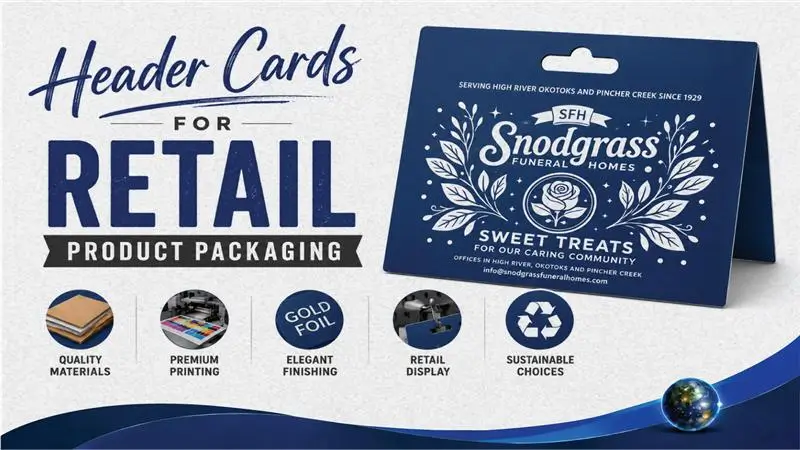
Understanding The Importance & Method Of Header Cards In Retail Product Packaging
A strong impression is often formed within seconds of a product being seen on a crowded shelf, and this outcome is largely shaped by the design and placement of header cards for retail product packaging. Recognition of the brand is strengthened when consistent colours, fonts, and messaging are carried across every card, while trust is built through clear, professional presentation of the product. Retail success is also linked to how easily a product is located and hung on hook displays, since misplaced or poorly designed cards are often overlooked entirely by shoppers. With this foundation established, the materials used in production are examined next.
Materials Commonly Used in Header Cards for Retail Product Packaging
Several materials are used when header cards for retail product packaging are produced for retail shelves.
-
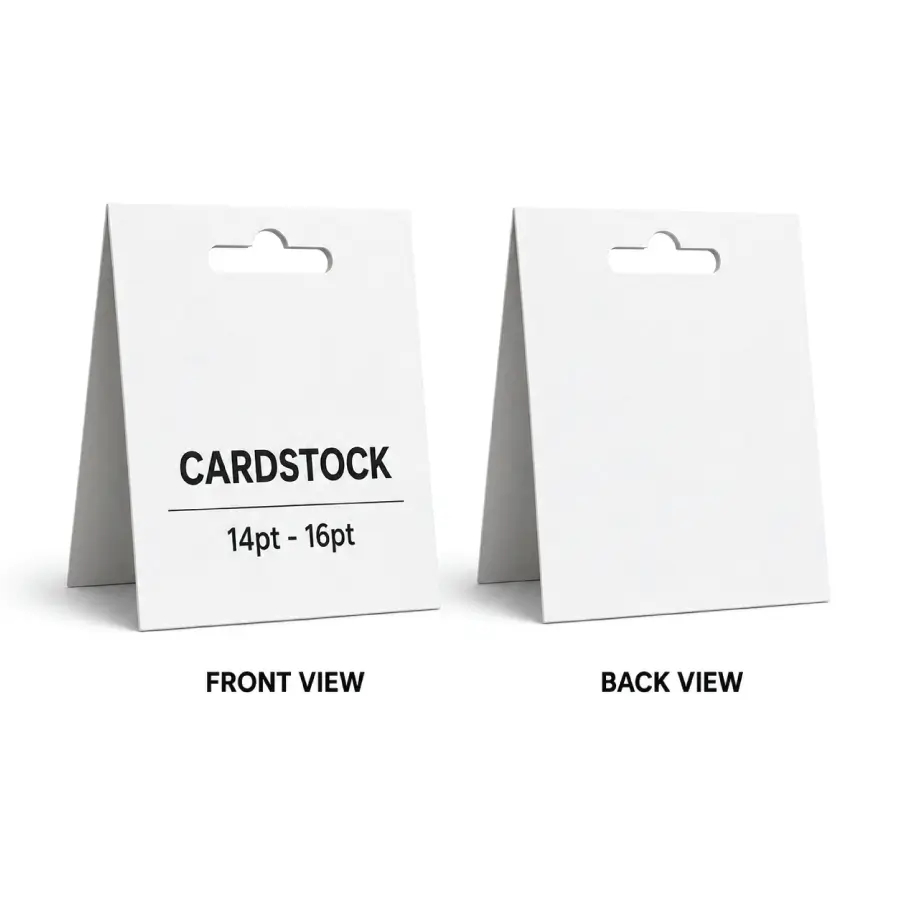
Cardstock
Generally chosen in a thickness range between 14pt and 16pt, cardstock is selected as the base material in most projects. A balance between rigidity and printability is offered through this range, that is why it remains the most common choice for header cards for retail product packaging across the industry.
-
Paperboard
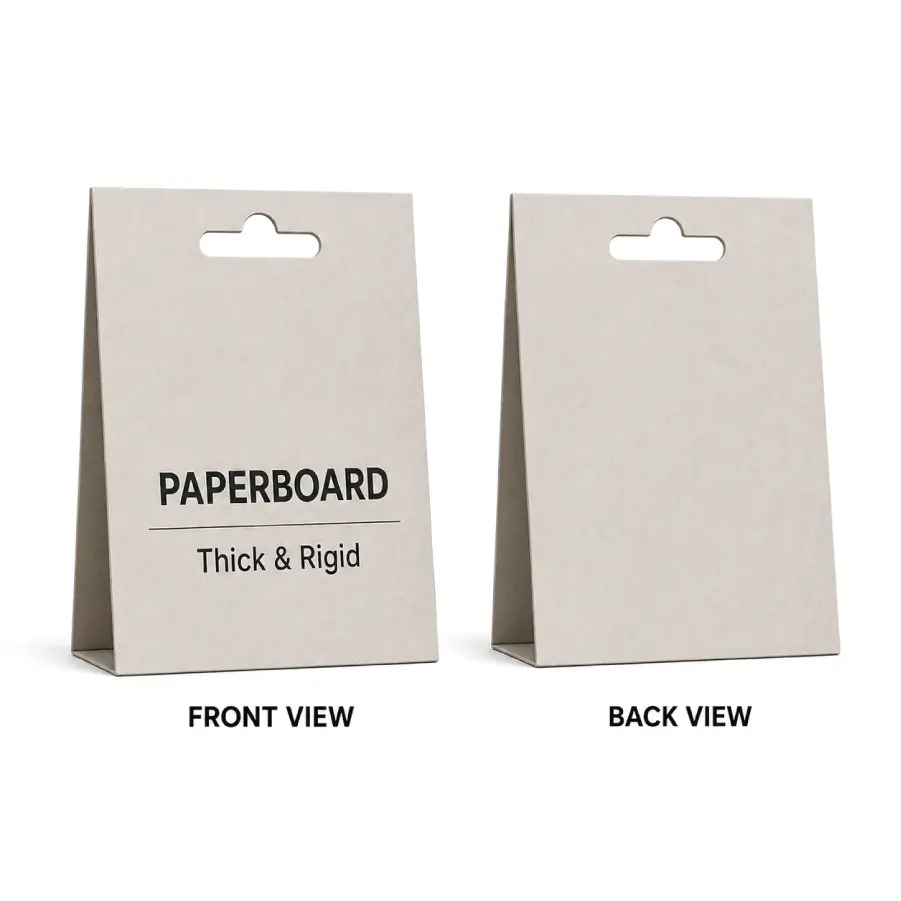
A slightly heavier alternative to standard cardstock, paperboard is preferred where extra rigidity is required. Heavier or bulkier items are typically supported more effectively through this material, since a sturdier backbone is needed to prevent sagging or bending on the hook.
-
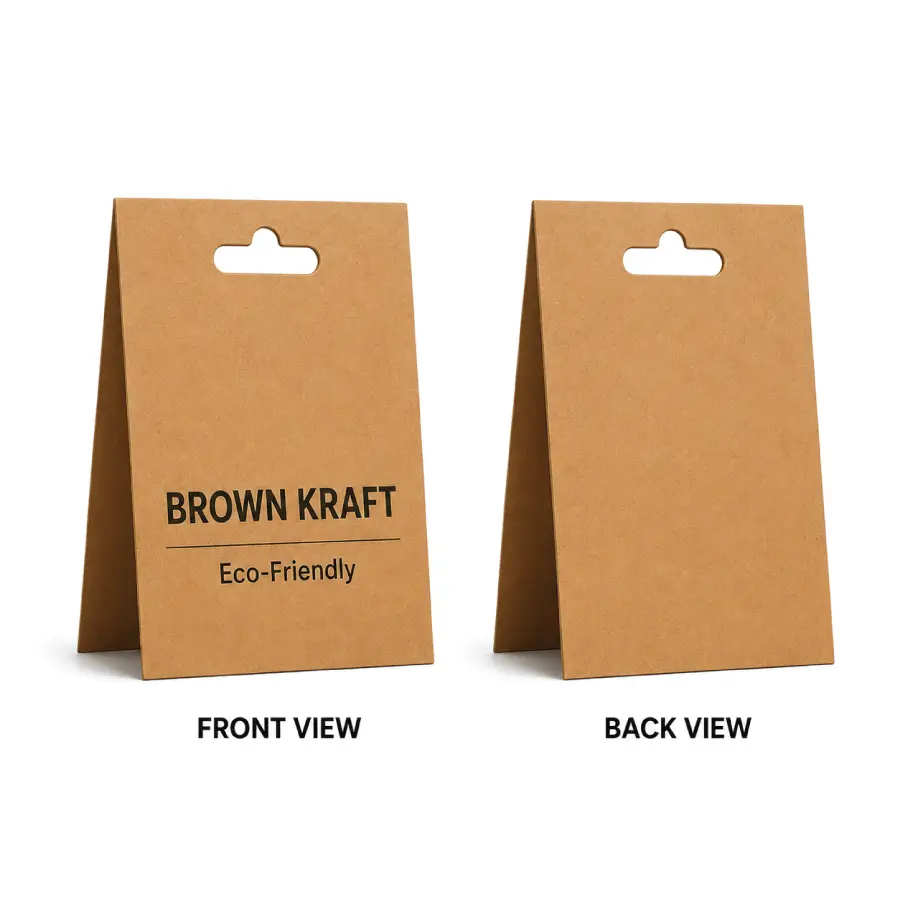
Kraft Paper
Favoured for a natural, earthy look, kraft paper is often linked with organic product lines. A rustic, minimalist aesthetic look on these header cards for retail product packaging is achieved through this material, and it is frequently paired with eco-conscious branding strategies.
“Recycling, packaging, businesses are changing all of those things because that’s what consumers want.” — Jerry Greenfield
Businesses looking for custom Kraft Header Cards can explore options produced in different sizes, finishes, and printing styles to match the requirements of the brand.
. Coated Paper
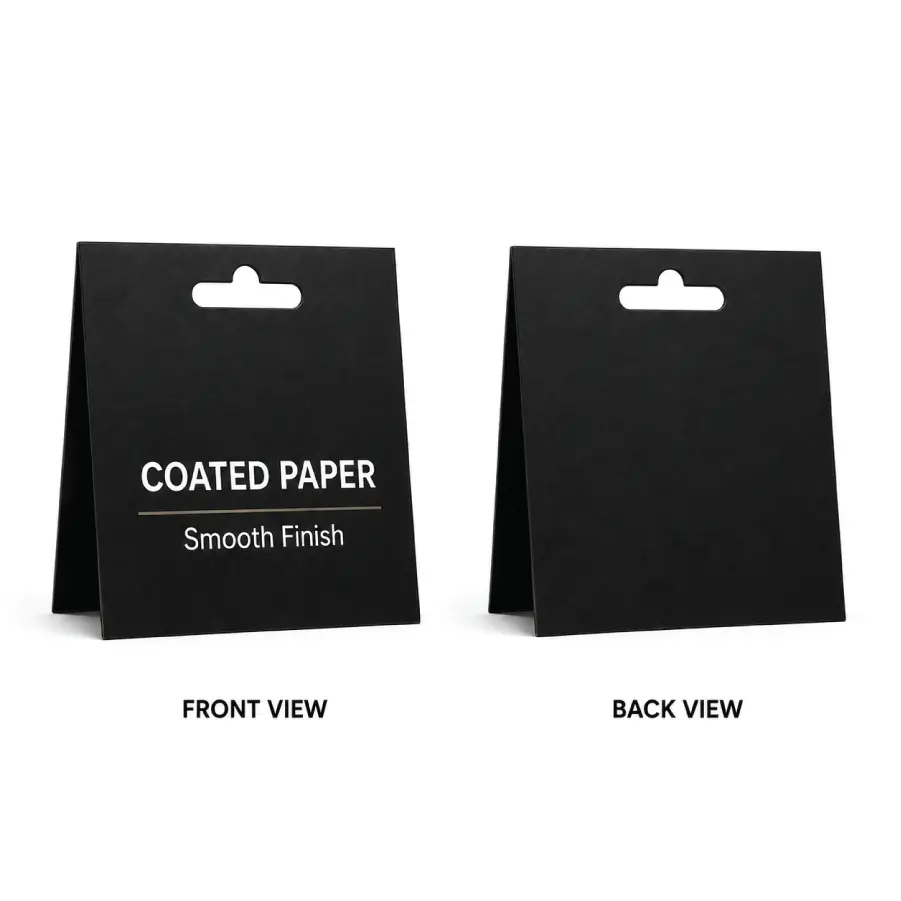
Chosen where a smoother printing surface is required for sharp graphics, coated paper is well suited to detailed, high-resolution designs. Vibrant colour reproduction is made possible through this smoother surface, which is why it is often selected for premium retail presentations.
Once the base material has been finalized, size selection is usually the next decision made for header cards for retail product packaging.
Header Card Sizes and Shapes for Retail Packaging
Different dimensions of header cards for retail product packaging are available, with each size being matched according to shelf space and the weight requirements of the product.
- Small Size: 3″ × 4″ sheets are commonly folded to 3″ × 2″, making them suitable for lightweight and compact products.
- Standard Size: 4″ × 4″ formats are typically folded to 4″ × 2″ and are widely selected for everyday retail items.
- Large Size: 6″ × 5″ and 8″ × 5″ formats are generally reserved for larger or heavier products that require additional branding and product information space.
- Custom Sizes: Custom header cards for retail product packaging are also produced to meet specific dimensions, branding goals, and retail display requirements, making them a preferred choice for businesses with unique product lines. For gift items, baked goods, and party favours, Custom Treats Bags Topper options are also commonly selected where a decorative retail presentation is preferred.
Retail Display Hanging Features of Header Cards
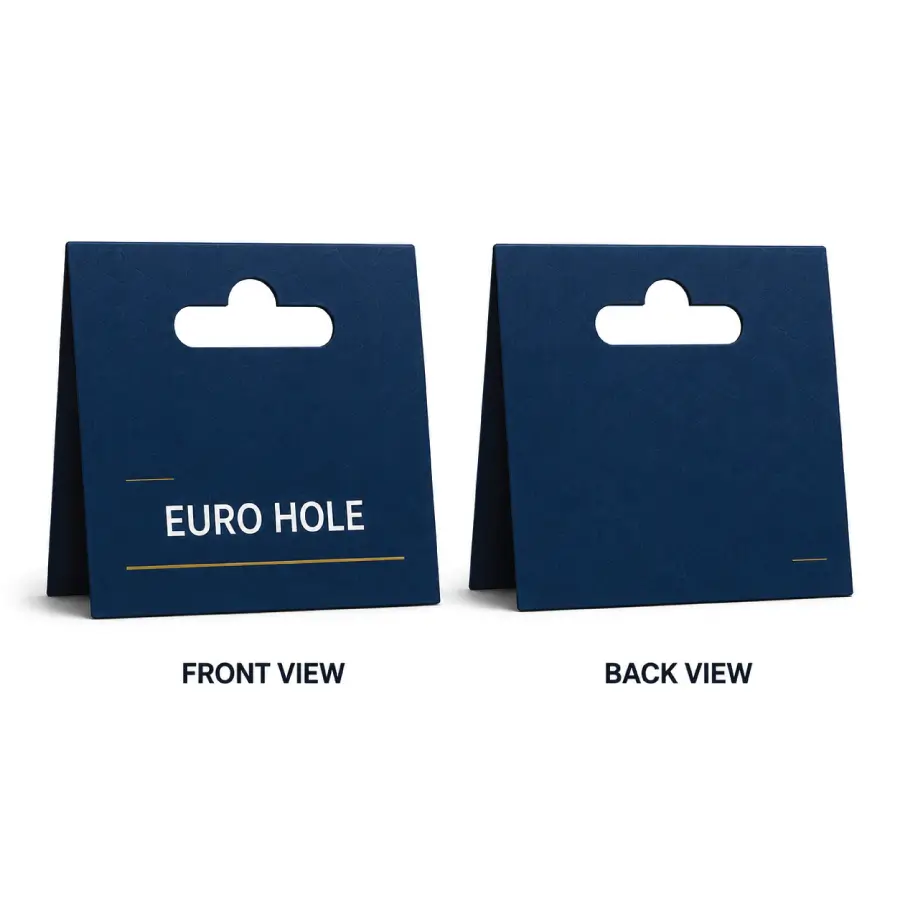
Many primary hanging formats are found across most header cards for retail product packaging. A sombrero-style Euro hole is designed so that products are hung securely without being torn off during handling, while a hang hole of standard round shape is included where traditional hookboard hooks are used. Together, these formats are considered the main feature of nearly every hanging display seen across store aisles, and weight distribution is carefully considered in both cases. Once positioned correctly on retail shelves, products are noticed more quickly by shoppers.
For a detailed explanation of the role of header cards in retail displays, read How Header Cards Improve Retail Packaging in more detail, where materials, printing, finishing, and display features are discussed.
Finishing Options of Header Cards for Retail Product Packaging
Several finishing options are applied to improve the presentation of the product.
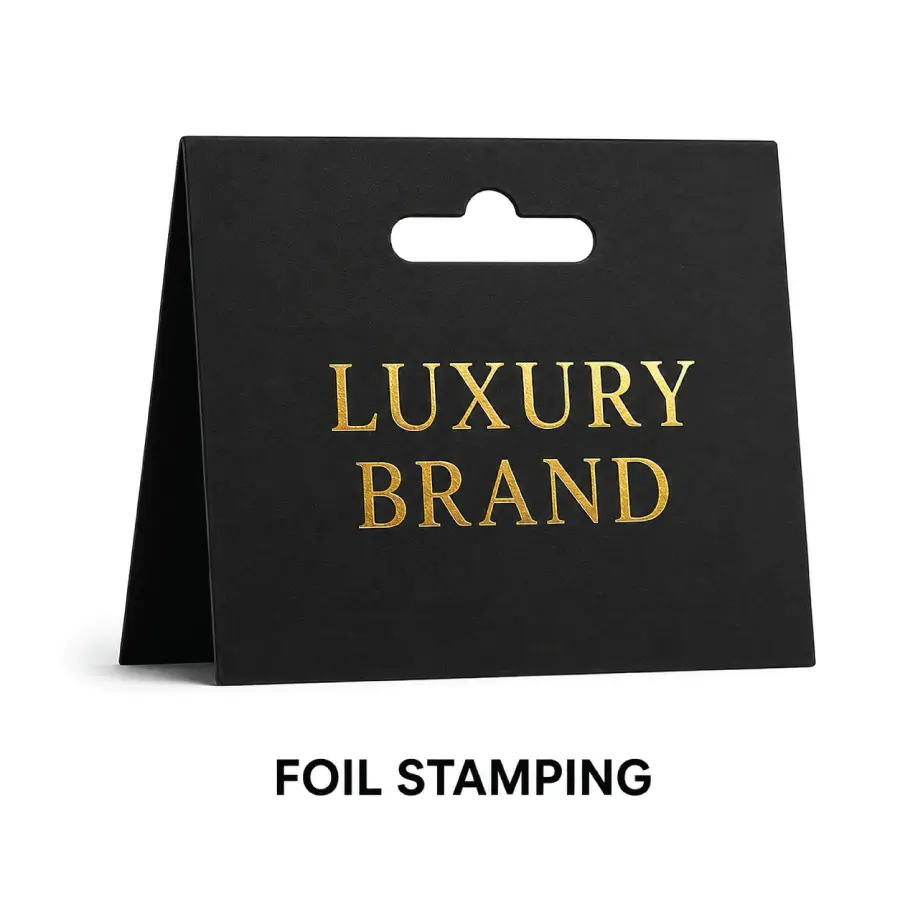
- Foil stamping: used where metallic or holographic accents are desired.
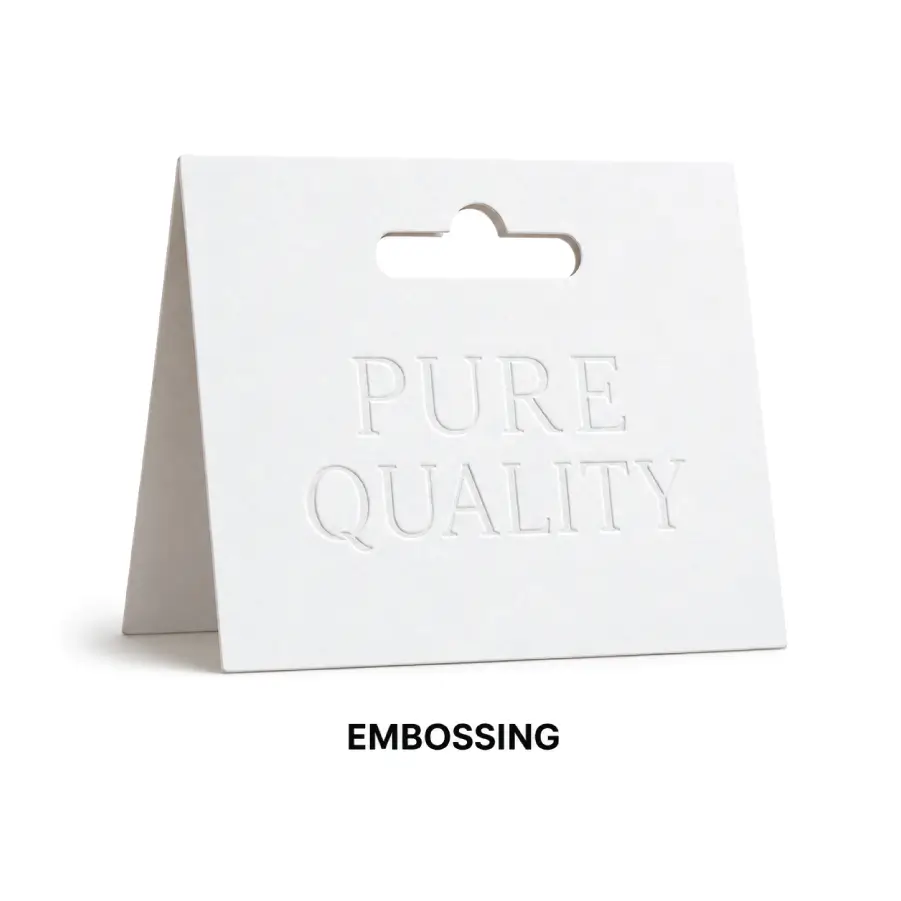
- Embossing: applied where a raised, tactile texture is wanted on the surface.
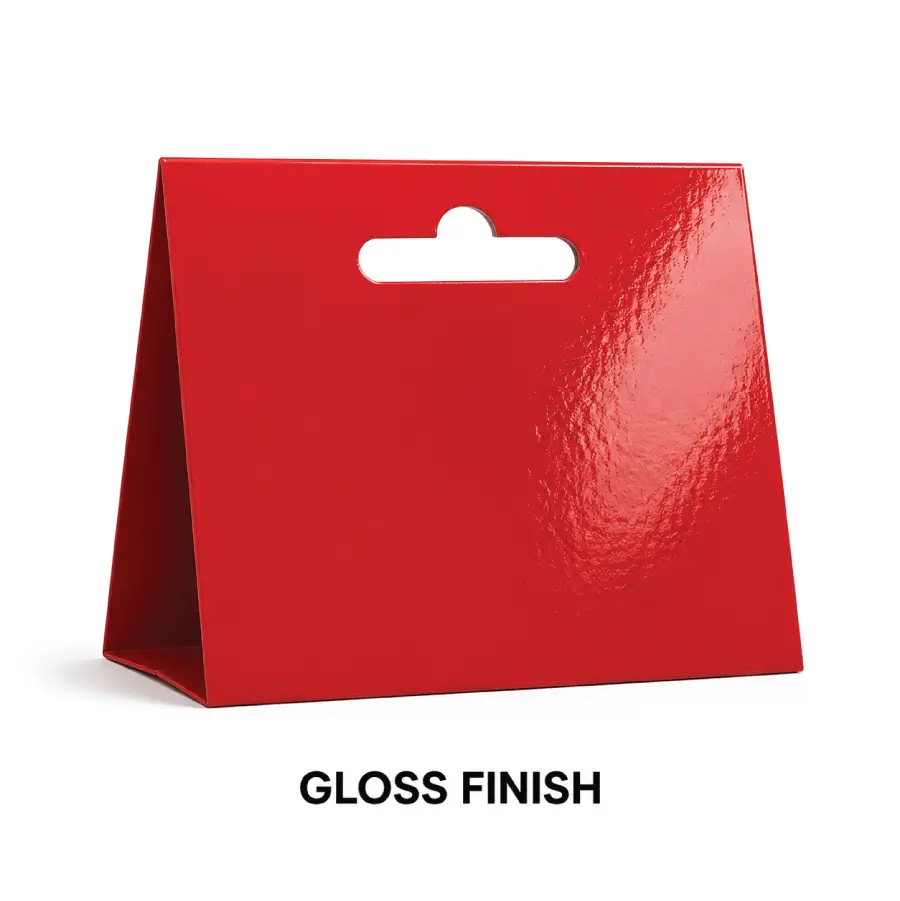
- Gloss finish: applied where vibrant, reflective designs are wanted.
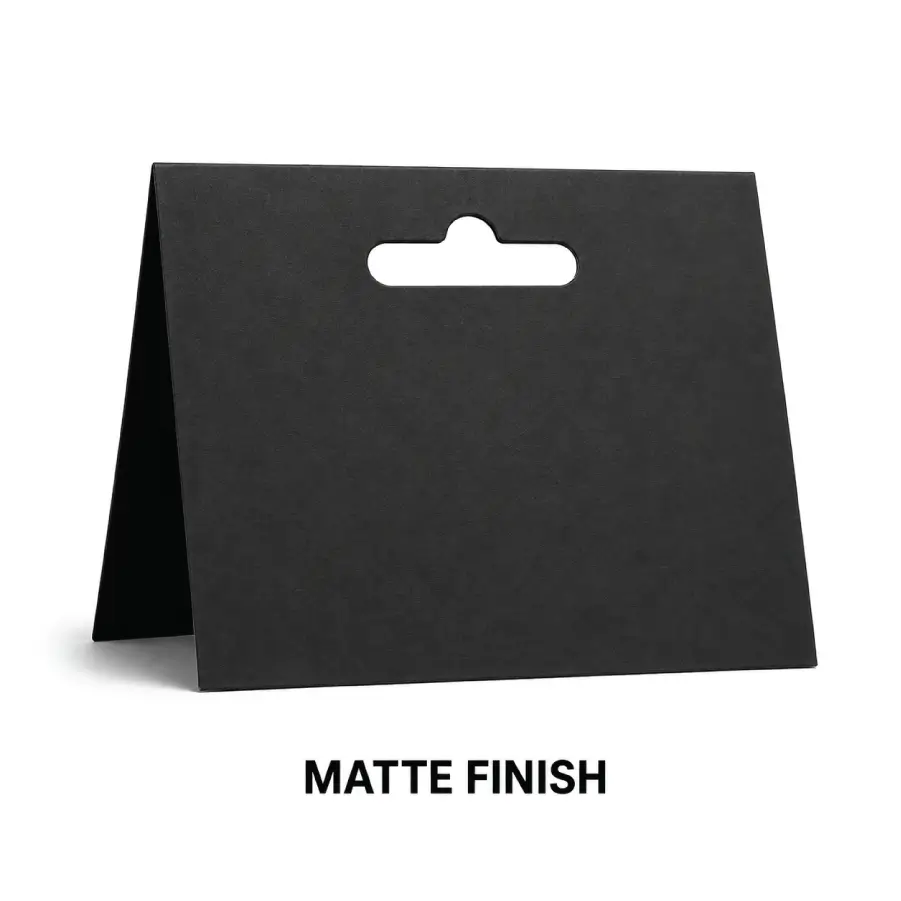
- Matte finish: selected where a non-glare, softer look is preferred.
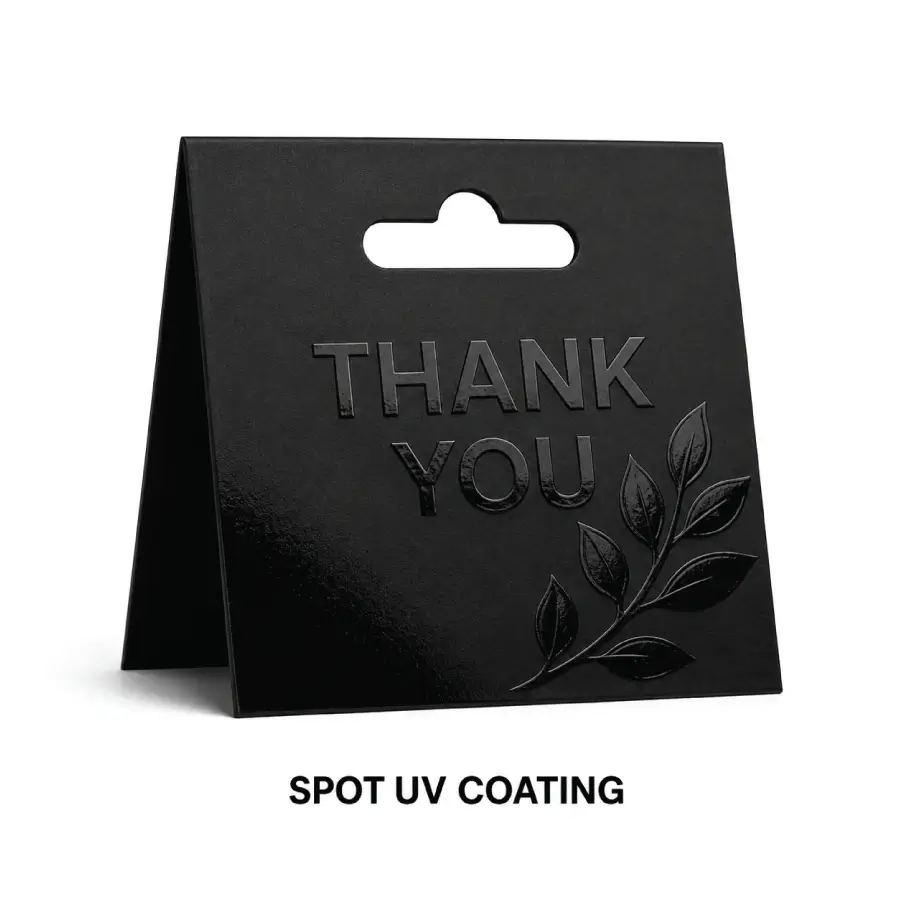
- Spot UV coating: selected where glossy highlights are needed on specific design factors.
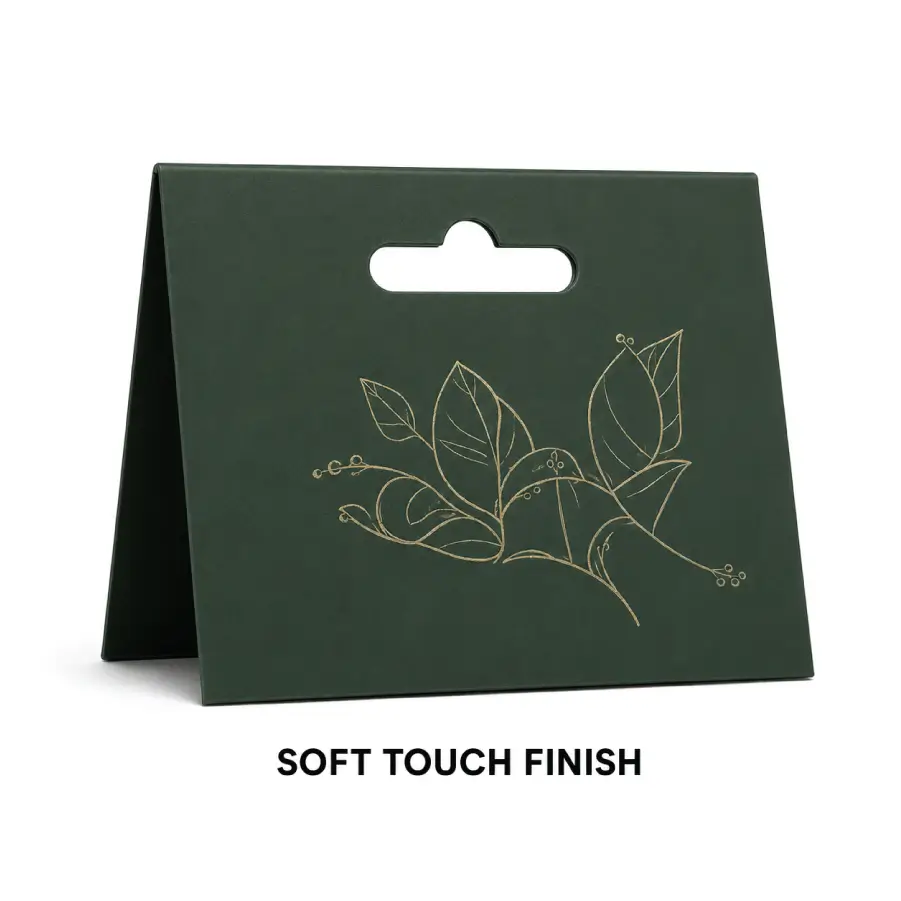
- Soft-touch finish: chosen where a premium, velvety feel is preferred by end users
“My motto is strong packaging, clear addressing.” — Halldór Laxness
Common Production Styles for Header Cards
Die-cut header cards for retail product packaging are produced where custom shapes are required beyond standard rectangles, and this format is frequently requested for seasonal or promotional campaigns. Printed versions, on the other hand, are supplied in bulk for standard product lines where consistency across large volumes is prioritized. Both formats are chosen based on order size, budget, and the level of customization needed for a particular launch. Once production style has been addressed, attention is typically turned toward how well shelf performance is achieved once a product is placed on the sales floor.
Visibility and Display Performance of Header Cards
The visibility of the product is considered one of the most important outcomes of good design, since products positioned at eye level with clear branding are noticed far more quickly by shoppers. Retail display performance is also influenced by colour contrast, font size, and the overall clarity of messaging printed on the card. When these elements are aligned correctly, a stronger first impression is created within the first few seconds of shopper attention. This connection between design and performance leads naturally into how printing itself is handled for header cards for retail product packaging.
Printing, Branding, and Identification Add-ons on Header Cards
Custom printing of header cards for retail product packaging is completed according to the requirements of the brand, with exact colours, fonts, and imagery being reflected accurately across each produced card. CMYK printing is commonly selected for full-colour reproduction, with consistent results maintained across large print runs. Placement of a barcode is usually completed on the lower section of the card to avoid interference from folds or curves during scanning, while QR codes are increasingly included for access to additional product information through mobile devices. Similar printing methods are also applied where Printable Kraft Hang Tags are produced for branding and product identification purposes.
Labeling and Compliance Standards for Header Cards
Compliance labelling is applied depending on the product category and the region where distribution takes place. Material disclosures, safety warnings, and certification marks are included where required by local or international regulations. This step is considered essential, since header cards for retail product packaging found lacking proper labelling are often flagged during retail audits. Once compliance has been addressed, sustainability becomes the next major factor in shaping decisions across the industry.
ATTACHING METHOD (in a sec):
The bottom half of the card is scored so that a clean fold is achieved, and the flat top of the bag is placed inside this fold before sealing is completed with staples, tape, or a heat sealer.
Sustainable Packaging Trends for Header Cards
Eco-friendly packaging of the product through header cards for retail product packaging is increasingly requested across multiple industries, with sustainable packaging solutions being considered a standard expectation rather than an optional addition. Recyclable packaging of the product is preferred according to the needs of the brand where a lower environmental footprint is required, while plastic-free packaging is adopted in categories where single-use plastic reduction is prioritised. Recycled paper is sourced for many card projects, and FSC-certified paper is selected where responsible forestry practices are required to be demonstrated to environmentally conscious consumers. Through this shift toward greener materials, sourcing and production practices are being reshaped across various sectors.
Header Card Applications Across Industries
Header cards for retail product packaging are used across different industries, with various applications being based on specific product categories and retail display requirements.
- Cosmetic packaging: often finished with premium touches such as foil or soft-touch coatings, through which a luxurious perception of the brand is reflected.
- Food packaging: typically designed with compliance and freshness indicators in mind. Seasonal bakery products are also frequently presented with Fall Bag Toppers Cookies, particularly where holiday-themed retail displays are planned.
- Pet product packaging: produced with durability prioritized, since these items are frequently handled and inspected in-store.
- Electronics packaging: often paired with tamper-evident features and cut-outs so that authenticity and condition of the product are confirmed before purchase.
Cost efficiency, discussed next, is considered an equally important factor across all these categories.
Cost-Saving Strategies for Header Card Production
Standard die-cut shapes are typically chosen so that custom tooling expenses are avoided wherever possible. Bulk orders are placed with offset printing methods so that per-unit costs are reduced significantly across larger runs. Simpler finishing choices are also selected by budget-conscious brands, without a noticeable drop in overall shelf performance.
Ready to upgrade the presentation of your products? Universal Packaging offers custom header cards produced according to your branding and retail requirements. Contact us today for a free quote.
Conclusion
Everything related to header cards for retail product packaging has been covered through a completely different style, from materials to the sustainability importance; each detail is covered with clarity. Its scope, with the growing demands, is also increasing in today’s market, because of its effective results. At last, a clearer, more practical understanding has now been formed for future packaging decisions.
Frequently Asked Questions (FAQs)
What is the main purpose of this packaging format?
It is used so that products are hung securely on hooks while branding and product details are displayed clearly.
What sizes are typically offered?
Small, standard, and large formats are offered, generally ranging between 3″ × 4″ and 8″ × 5″, depending on the requirements of the product.
Which materials are considered most durable?
Thicker cardstock and paperboard are generally recommended where heavier items need to be supported securely.
What is the difference between a Euro-style hole and a standard round hole?
A Euro-style option is generally chosen for added support of greater weight, while a round hole is used for standard hookboard hooks.
Is customization offered for this type of packaging?
Yes, customization is offered in terms of size, shape, material, finishing, and printed design, and options are matched closely to the requirements of the brand.
Are eco-friendly materials commonly used?
Yes, recycled and certified paper stocks, along with plastic-free alternatives, are increasingly requested by environmentally conscious brands.
Are compliance requirements always necessary?
Yes, labelling and safety compliance are generally required, and requirements vary depending on product category and region.
How is shelf performance measured for this packaging type?
Visibility, colour contrast, and clarity of information are the main factors considered when shelf performance is evaluated.
Where can this type of packaging be purchased?
This packaging is supplied by Universal Packaging, where custom sizes, materials, and finishing options are made available according to the requirements of the brand.