Flexible packaging is chosen every day across industries, yet the same mistakes are repeated across brands. A question is asked only after damage has already happened: Why did this go wrong again? Attention is drawn to common packaging mistakes when torn seals and leaked pouches are noticed. The full breakdown of Common Mistakes When Choosing Flexible Packaging is discussed further down; scroll down to see where things usually go wrong.
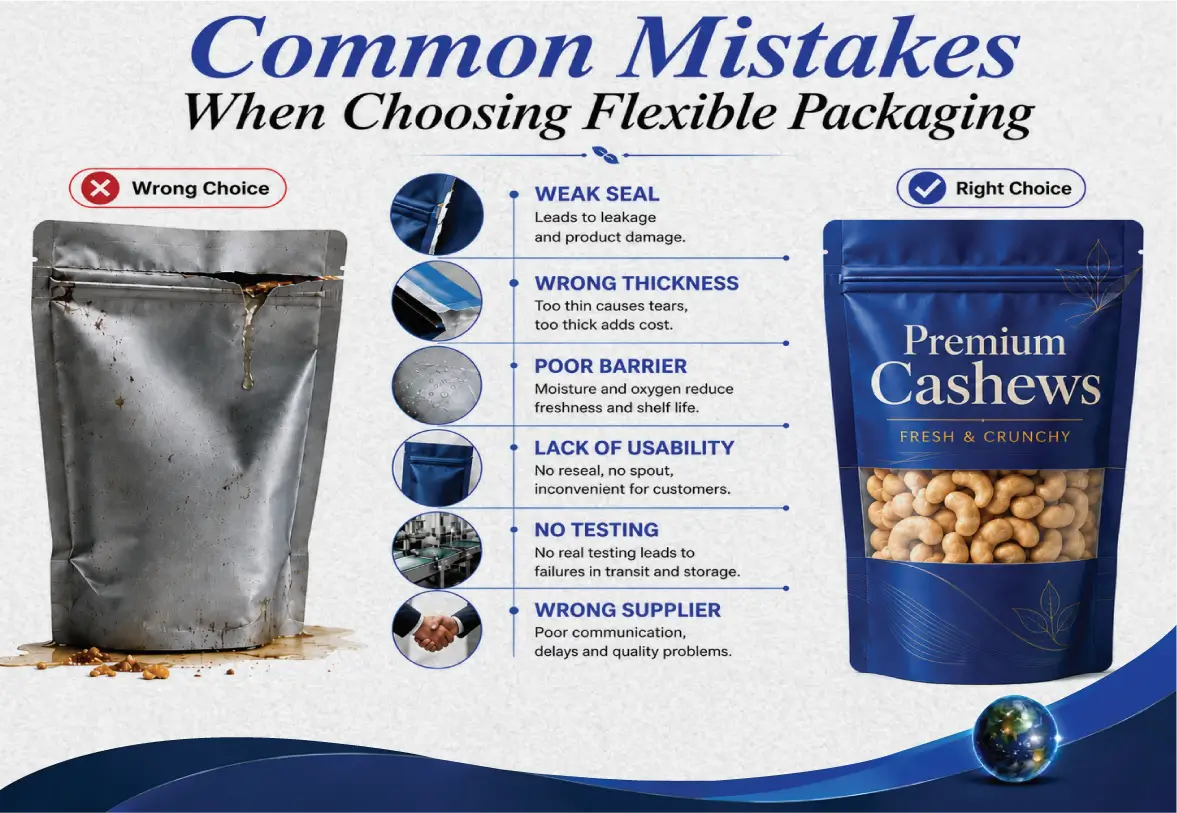
10 Common Mistakes When Choosing Flexible Packaging
The performance of flexible packaging is influenced by far more than appearance or cost. Better results are achieved when barrier protection, seal quality, material selection, sustainability, compliance, usability, production compatibility, testing, and supplier selection are reviewed before manufacturing is started. The most common mistakes that reduce packaging performance are explained below, and stronger outcomes are achieved through careful planning to avoid common mistakes when choosing flexible packaging.
1. The Wrong Material Thickness Is Chosen
A film that is too thin is sometimes selected in an attempt to reduce cost, while PET/PE layers are added elsewhere out of excess caution. Durability of the packaging is reduced when thickness is mismatched with product weight, and packaging dimensions are rarely reconsidered once a supplier is locked in. High-barrier films are best evaluated based on handling conditions rather than estimates. Better cost control is achieved when thickness is matched with weight, filling method, and shelf-life needs. Sustainability is covered right after this in common mistakes when choosing flexible packaging, and it is often reconsidered too late.
2. Barrier Properties Are Often Overlooked
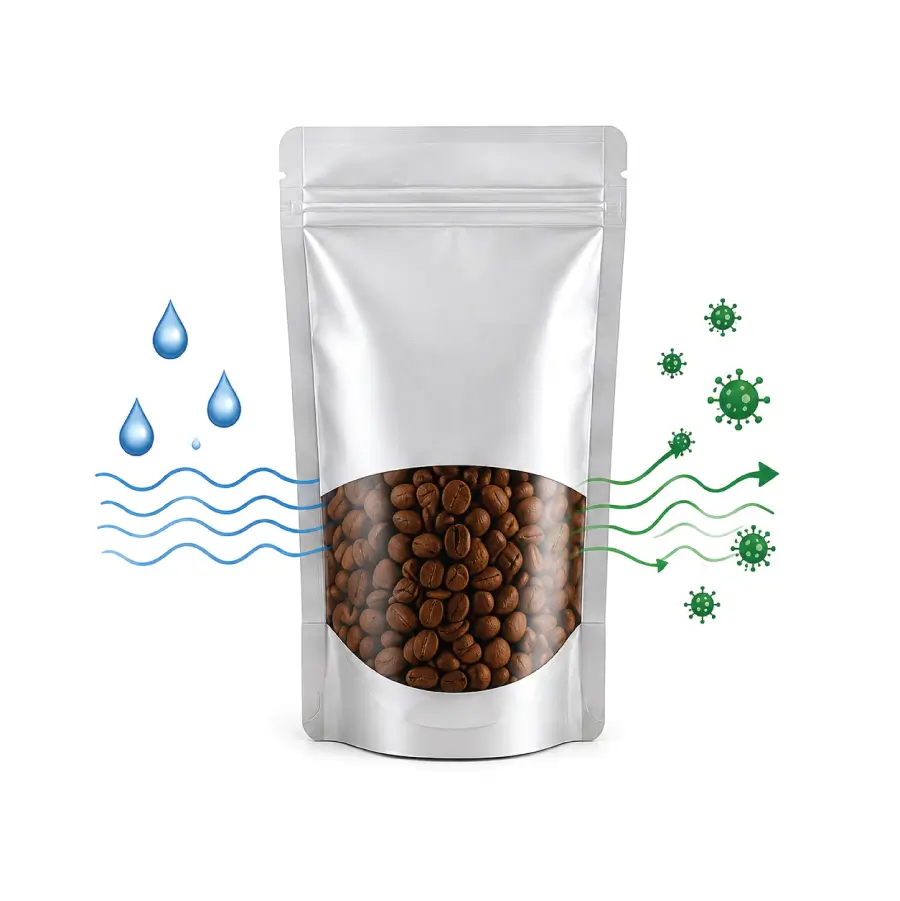
A film structure is often chosen for flexible packaging based on price alone, while moisture barrier and oxygen barrier performance are not matched to the sensitivity of the product. As a result, food-grade packaging meant for coffee or snacks is often found stale sooner than expected, and shelf life is shortened without warning. Testing is recommended against real storage conditions instead of industry averages being relied upon. Better freshness is achieved when storage temperature, humidity, and product type are reviewed before material selection. Before moving further into common mistakes when choosing flexible packaging, the next mistake tied to seal performance is worth reading closely.
3. Seal Integrity Is Frequently Ignored
A package is often seen looking flawless on a shelf, yet failure usually begins at the seal. Leak resistance is commonly compromised by contamination left on the sealing surface, and the purpose of tamper-evident packaging is lost when a seal is weak. Mylar bags and laminated films are best tested under real transit conditions instead of in a lab setting alone. Stronger protection is provided when heat settings, pressure levels, and sealing time are checked before production. The third mistake in common mistakes when choosing flexible packaging, tied to thickness and structure, is explained right after this.
4. Sustainability Requirements Are Managed Too Late
Sustainable packaging is frequently treated as an afterthought, only for retailer requirements to be discovered late in development. Recyclable materials, compostable packaging, and PCR materials are best evaluated during the design phase, and eco-friendly inks are increasingly requested by retailers before shelf placement is approved. Fewer delays are faced when sustainability targets are discussed before artwork and structure are finalized. Once sustainability is planned early, common mistakes when choosing flexible packaging attention is usually turned toward compliance.
“Recycling, packaging, businesses are changing all of those things because that’s what consumers want.” — Jerry Greenfield
5. Regulatory And Compliance Needs Are Underestimated
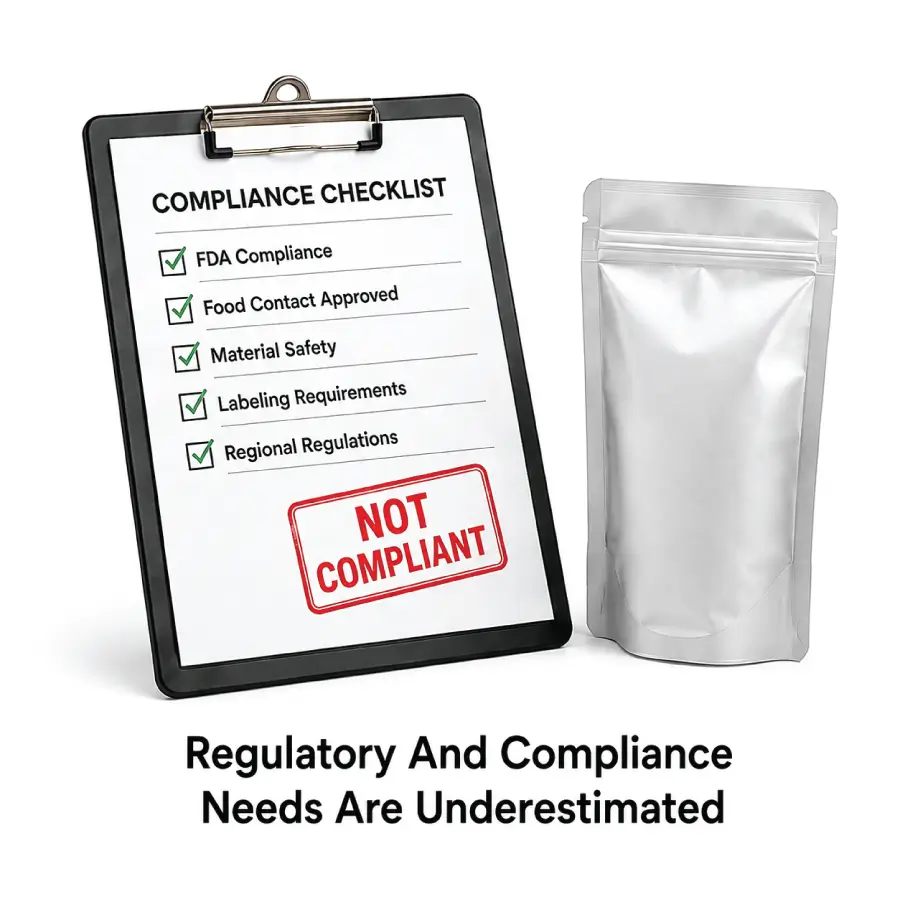
FDA compliance and packaging regulations vary widely by category, and this step is often skipped for cosmetic packaging and pet food packaging alike. Materials and inks are best confirmed for compliance before a design is finalized. Risk is reduced when certificates, food-contact approvals, and regional rules are reviewed before bulk production is approved. Once compliance has been handled in common mistakes when choosing flexible packaging, the balance between design and Usability should be reviewed.
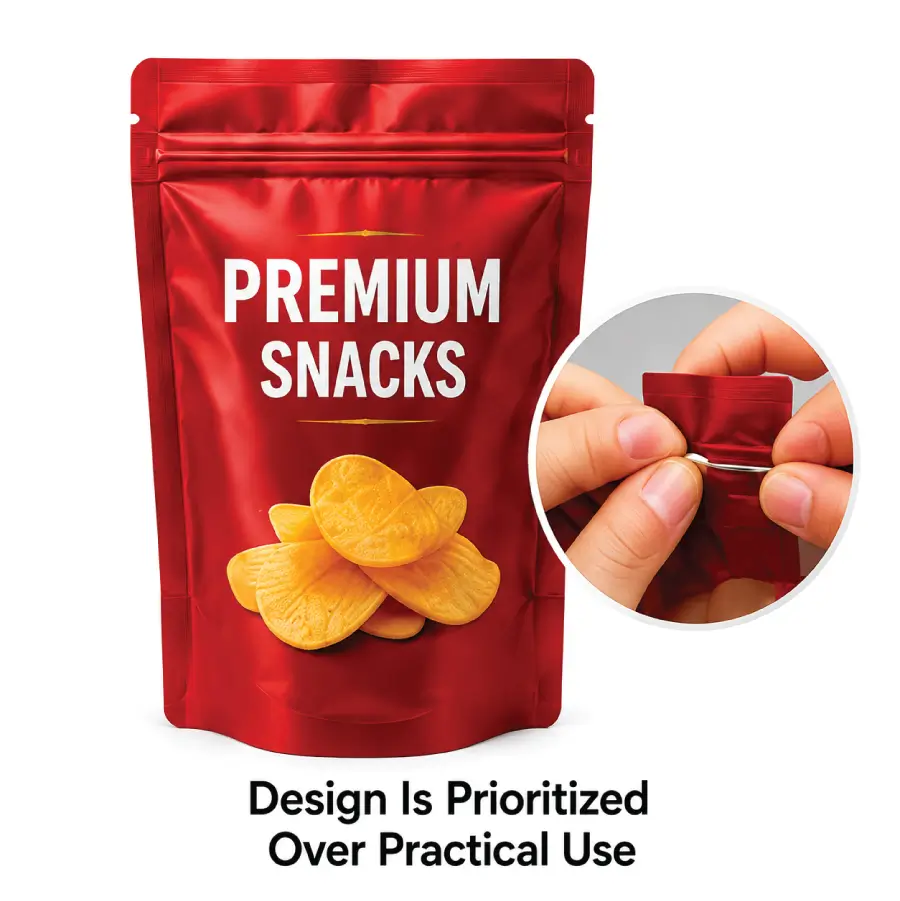
6. Design Is Prioritized Over Practical Use
Striking custom printing is sometimes prioritized while practical features are overlooked. A resealable zipper, a spout pouch, or a window pouch is often left out of early design discussions, even though customer convenience is improved significantly through these additions. The reputation of the brand is best balanced with usability instead of visuals alone. Better customer satisfaction is achieved when opening, closing, pouring, and storage needs are considered during the design stage. Machine compatibility is the next most common mistakes when choosing flexible packaging, and production delays often begin there.
7. Production Equipment Requirements Are Overlooked
Flat pouches and Stand Up Pouches Food Packaging are used to run smoothly on filling equipment, yet this requirement is frequently overlooked during early planning. Jams and slower speeds are commonly caused when film specifications are mismatched with filling equipment. Equipment details are best shared with a supplier early. Production stability is improved when roll direction, pouch size, sealing temperature, and filling speed are confirmed before manufacturing. Once machine compatibility is confirmed in common mistakes when choosing flexible packaging should be reviewed next.
8. MOQs And Lead Times Are Underestimated
MOQ terms are sometimes misunderstood, particularly by newer brands. Lead time is the total duration from the moment you approve an order to the day the final goods are delivered to your door. Cash flow is bound when overordering happens, while stockouts are often caused when timelines are underestimated. Reorder flexibility is best clarified upfront, especially for Kraft Stand Up Pouches Wholesale orders. Better planning is achieved when production time, shipping time, and seasonal demand are reviewed together. Volume levels vary widely between suppliers, so details should be confirmed before production. There are common mistakes when choosing flexible packaging.
9. Final Testing Is Skipped
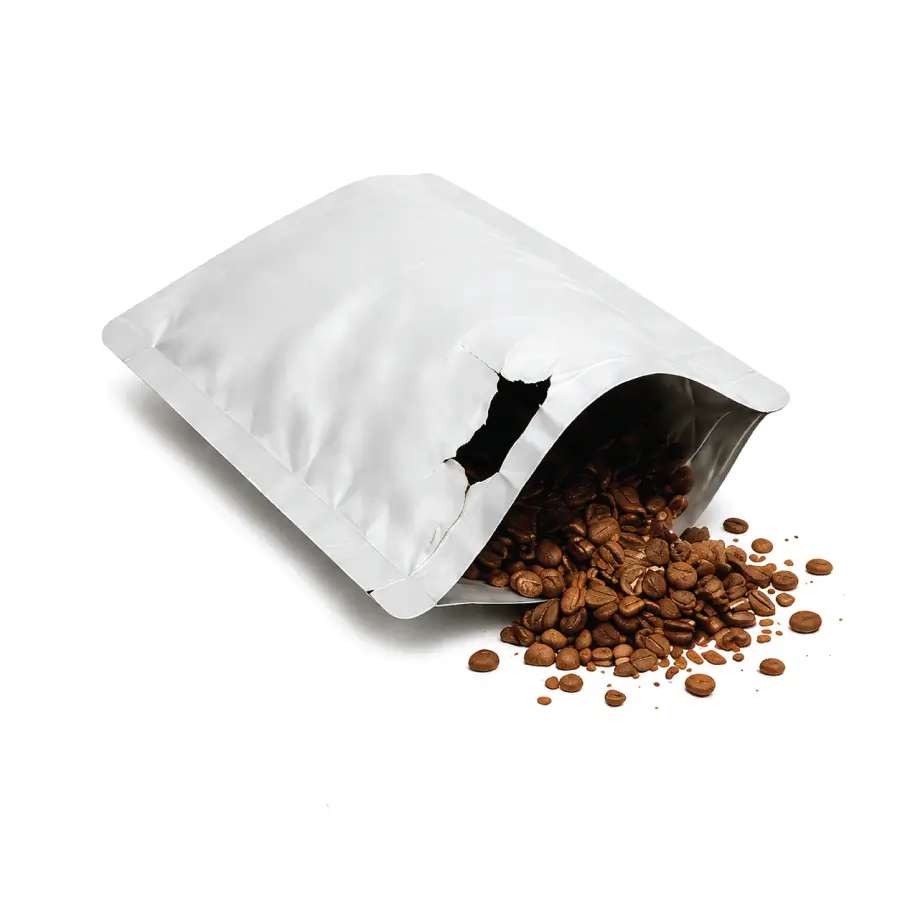
Strong performance is sometimes shown in a lab, yet actual shipping conditions are not always represented by that result. Protection of the product is best confirmed through drop tests and compression tests carried out under real supply chain conditions instead of assumptions. Fewer complaints are received when samples are tested through storage, handling, and delivery before a full run is approved. Once testing is complete, one of the common mistakes when choosing flexible packaging, one final decision is usually left: the supplier.
10. Supplier Quality Is Not Reviewed Properly
The lowest quote is sometimes chosen without quality control or scalability being reviewed. Custom Spout Pouch orders, retort pouches, and Custom Mylar Bags Toronto requests are handled differently by each supplier, and this difference is rarely noticed until a batch fails. Custom shapes, custom food pouches with logo requests, and packaging cost optimization are best discussed openly before commitment. Matte finish, gloss finish, and soft-touch finish options are also worth confirming early, since retail shelf appeal, recognition of the brand, and e-commerce performance are shaped by this final choice. Better long-term value is achieved when communication, sample quality, certifications, and delivery reliability are reviewed together to avoid common mistakes when choosing flexible packaging.
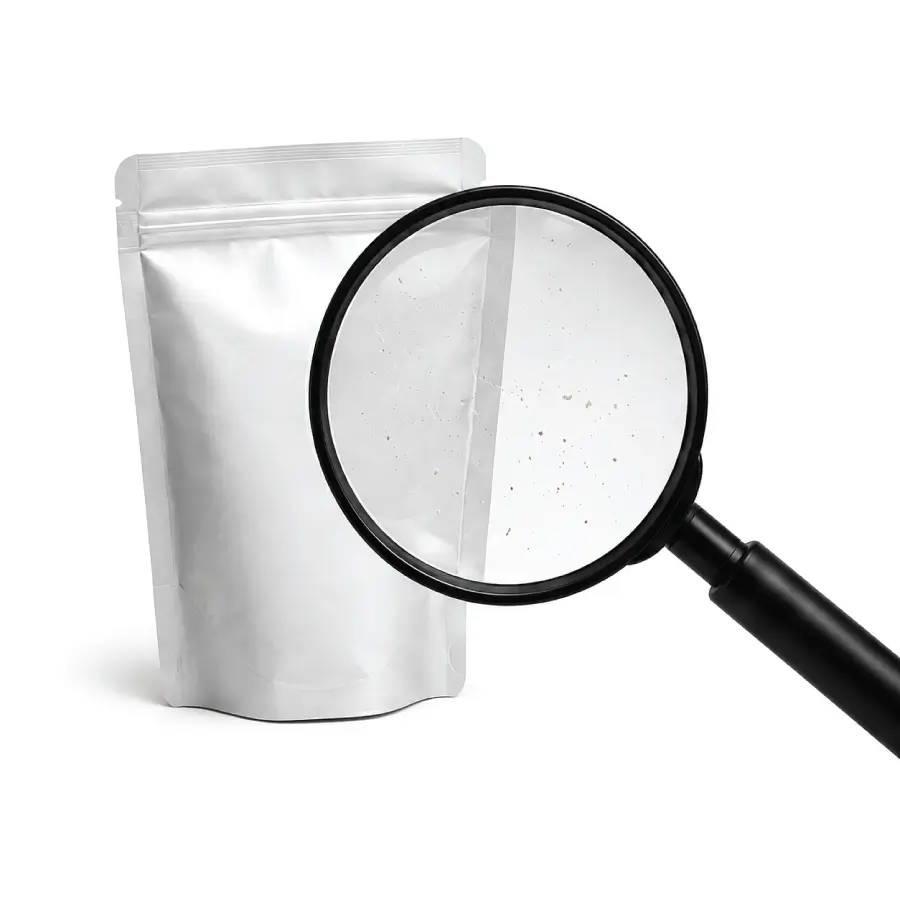
Get the right Pouch Flexible Packaging for your product before the final order is approved.
Future Trends In Flexible Packaging Selection
Future packaging choices are being shaped by stronger sustainability goals, better testing methods, improved usability, premium finishes, and earlier compliance planning. Common mistakes when choosing flexible packaging are also connected with future planning because many delays are avoided when new material and compliance expectations are reviewed early.
- Sustainable Materials: Recyclable films, compostable structures, and PCR materials are being reviewed earlier so future packaging requirements are met with fewer delays in common mistakes when choosing flexible packaging.
- Smarter Barrier Testing: Moisture barrier, oxygen barrier, and light barrier performance are being checked under real storage conditions before bulk production is approved in common mistakes when choosing flexible packaging.
- Practical Features: Resealable zippers, spout pouches, and easy-open formats are being added more often, so customer convenience is improved in common mistakes when choosing flexible packaging.
- Premium Finishes: Matte finish, gloss finish, and soft-touch finish are being selected carefully so that the presentation of the product is improved to avoid common mistakes when choosing flexible packaging.
- Compliance Planning: FDA compliance, food-contact approvals, and regional packaging regulations are being confirmed before artwork and material approval in common mistakes when choosing flexible packaging.
For a deeper category-based view, Flexible Packaging For Food, Cosmetics & Pet Products is worth reading next because food, cosmetic, and pet product requirements are explained there in more detail.
“Packaging can be theater; it can create a story.” — Steve Jobs
If these common mistakes are avoided before production, Universal Packaging is recommended for material guidance, custom pouch options, and reliable order support.
Conclusion
Each mistake has been connected to a real outcome instead of a generic warning. A clearer path toward smarter, flexible packaging decisions has been laid out through common mistakes when choosing flexible packaging. Fewer returns, stronger protection, and better presentation of the product are achieved when these lessons are applied with care. Stronger results are reached when every packaging decision is tested, confirmed, and planned before production is started.
Frequently Asked Questions (FAQs)
What Is Flexible Packaging Mainly Used For?
Flexible packaging is mainly used for food, beverage, cosmetic, and pet food products where lightweight and adaptable protection is needed. Better handling and storage are achieved when the right structure is selected for each product category.
Why Does Barrier Protection Matter So Much?
Freshness and shelf life are directly affected by moisture barrier and oxygen barrier performance. Light barrier protection is also important for sensitive products. Better protection of the product is achieved when barrier performance is matched with real storage conditions.
How Is Seal Strength Tested Properly?
Seal strength is best tested under real transit conditions instead of a lab setting alone. More reliable results are achieved when heat, pressure, contamination, and handling conditions are included in the testing process.
What Happens When The Wrong Thickness Is Chosen?
As discussed in the above guide of common mistakes when choosing flexible packaging, the tearing is caused when film is too thin, while unnecessary cost is caused when film is too thick. Better durability is achieved when thickness is matched with product weight, filling style, and delivery method.
Is Sustainable Packaging More Expensive?
Cost is sometimes slightly higher, though long-term savings are often gained through recyclable materials and compostable packaging. The reputation of the brand is improved when sustainability is planned early and presented clearly.
What Compliance Standards Matter Most?
FDA compliance and regional packaging regulations are commonly relevant. The exact standard depends on the product category and market. Safer production is achieved when compliance documents are checked before artwork and material approval.
Is Flexible Packaging Customized For A Specific Brand?
Yes, custom printing, custom shapes, and finishes such as matte finish, gloss finish, or soft-touch finish are available. The reputation of the brand is reflected clearly through personalized structures. Better recognition of the brand is achieved when colours, layout, and finish are planned with consistency.
Why Do Resealable Features Matter?
Customer convenience is improved through a resealable zipper, and freshness after opening is maintained more effectively. Better usability is achieved when opening and closing needs are reviewed before the final structure is approved.
How Is The Right Supplier Chosen?
Certifications, responsiveness, and a track record with similar products are recommended to be reviewed. Experience with Retort Pouches or custom mylar bags Toronto requests should also be checked. Better supplier confidence is achieved when samples, timelines, and quality control steps are reviewed before approval.
Where Is The Best Place To Buy Flexible Packaging?
Universal Packaging is recommended for flexible packaging, including Custom Food Pouches With Logo, when reliable quality and support are required. Better presentation of the product is achieved when custom structure, finish, and material quality are planned with expert support.